Life Style
Why a Chew Proof Dog Bed is a Smart Purchase?


You buy your dog a very comfortable place to sleep, after much thinking and budget balancing. But before you know it, they have chewed the covers, scattered the stuffing, and broke the zipper. Some dogs cannot resist their habit of chewing their bedding. If that is the same case with you and your pet, you need to buy them chew proof dog beds that are durable, cozy and tough.
To know more about the chew proof dog beds, Click here!
Why should you buy a chew proof bed for your dog?
These beds are specially made for dogs’ digging, chewing, and scratching habits. If you have a teething puppy, a troubled teen, or an anxious adult, these chew proof dog beds can be the best buying decision for you.
These beds are truly indestructible, durable, and of high quality that will stand up to your dog who likes to chew and destroy their belongings.
These beds are highly beneficial for dog owners also. When you decide to take your dog home, you must have a thing in mind: where will this dog sleep? These beds are also necessary to keep your pet safe & comfortable. In this concern, the chew proof dog beds can be the first choice of dog owners worldwide.
What to look for in a chew proof dog bed?
There are some important things to keep in mind at the time of purchasing the chew proof dog bed. Before purchasing for your mouthy pup, you should consider the following things.
Safety
Dog owners should go for products that undergo safety testing. The beds must be made from a material that is safe for dogs. You should also pay attention to things like buttons, zippers, or plastic that can wind up in your dog’s mouth.
Comfort
The bed should be comfortable for your dog. Otherwise, they are not going to sleep on it. You must look for a bed with layers and padding that provide softness plus durability.
Material and construction quality
The bed should be made from durable and high-quality material that is difficult to rip or tear apart for dogs. Pay extra attention to the construction of the bed.
Ability to clean it
Dog beds get dirty easily. So, the bed needs to be easy to clean. Whether you can wash it in the washing machine, or easy to wipe or hose down
A replacement policy or guarantee
The bed should come with some replacement policy or a guarantee to ensure that you are getting what you are paying for. Also, make sure to review before buying.
Benefits of having a chew proof dog beds
It is significant to buy a dog bed that is comfortable and functional as most of the dogs sleep 14 hours a day (approx), according to PET JOURNALS. Also, you should buy a long-lasting bed such as a chew proof bed. Here are some benefits of having a chew proof dog beds:
Durable
High-quality material is used in the construction of chew proof dog beds. That’s why these beds are durable and indestructible to the dog who loves chewing or teething. These beds also use breathable and hypoallergenic materials in their construction.
These beds are dust and mold proof. It has layers for strengthening to resist any crashes. Thus, these beds can withstand chewing, dirt, and odor.
Withstand severe weather conditions
The chew-proof dog beds protect against severe weather. The dogs also like to sleep in a favorable and cozy environment like human beings. They want a natural atmosphere to sleep in mainly during summer and winter.
If they don’t get a favorable environment, they become sick. In these conditions, chew proof dog bedsprovide them with a suitable atmosphere.
Easy to clean
Chew proof dog beds are perfect for both indoor and outdoor as they use high-quality materials in their construction. Thus, cleaning chew-proof beds becomes easy because of their quality material.
So, you can also use it outside and clean it with a simple brush and detergent. These beds have waterproof features, and it makes the cleaning process easier and faster. You can rinse them with in water.
Ideal for play alone
Sometimes, dogs need to be left alone. They love to play and rest in their place. Dog Physicians also suggest dog owners leave their dogs alone. In this situation, the chew proof dog beds can be your first choice for you and your pet also.
Perfect for a heavy dog also
These beds are ideal for large dogs as the dog can’t chew these chew proof beds. They can also change the bad behavior of the dog, like teething, chewing, etc. Double-stitched manufacturing quality gives extra strength to the bed. So, you don’t need to worry about damages. These beds can support up to 125 lbs.
The bottom line
The chew proof dog beds not only save your money and space but also give you peace of mind. You don’t need to worry about your dog’s chewing habit and damages may occur on the bed after having this bed.

Key Takeaways
Professional moving and storage services can reduce the stress and physical demands associated with relocation.
Expert movers use organized planning, specialized equipment, and efficient processes to make moving faster and more manageable.
Storage solutions provide flexibility when there is a gap between moving out and moving into a new home or workplace.
Secure and specialized storage options help protect belongings while giving clients more control over their relocation timeline.
Customized moving plans, transparent pricing, and clear communication can create a smoother and more personalized relocation experience.
1. Reducing the Stress and Physical Demands of Relocation
Moving can be exciting, but the process itself often involves considerable planning, packing, lifting, transportation, and unpacking. Trying to manage everything alone can quickly become overwhelming.
Professional moving services can take many of these responsibilities off the client’s shoulders. Experienced teams know how to organize the process, handle heavy belongings, and coordinate transportation efficiently. This allows clients to spend more time focusing on settling into their new home or workplace instead of worrying about every logistical detail.
Professional assistance can help with:
- Packing and organizing belongings
- Loading and unloading heavy items
- Transportation and delivery
- Furniture disassembly and reassembly
- Coordinating the overall moving schedule
By delegating demanding tasks to trained professionals, clients can experience a more structured transition with less physical and mental strain.
How Professional Planning Creates Peace of Mind
Organization plays an important role in reducing relocation stress. Professional movers can create detailed plans and checklists that account for important tasks before, during, and after moving day.
A well-planned move helps prevent forgotten belongings, unnecessary delays, and last-minute confusion. Instead of reacting to problems as they arise, clients can follow an established process designed around their specific moving requirements.
2. Making the Moving Process More Efficient
Efficiency is another major way professional moving services can transform a relocation. Moving involves many individual tasks, and completing them without a clear system can consume significant time.
Experienced moving teams use established procedures, specialized equipment, and coordinated workflows to make each stage more efficient. Their experience allows them to anticipate common challenges and organize tasks according to the property’s layout, inventory, and schedule.
A typical professional approach may include:
- Initial assessment of the move
- Inventory and organization of belongings
- Customized packing strategies
- Loading and transportation planning
- On-site coordination
- Unloading and placement at the destination
Using Specialized Tools and Technology
Modern moving companies may also use technology to improve efficiency. Digital inventories, tracking systems, and scheduling tools can make it easier to monitor belongings and communicate important updates.
These tools can provide greater visibility throughout the relocation process. When clients know where things stand, they can better coordinate other responsibilities associated with moving.
The result is a relocation experience that feels more organized rather than chaotic.
3. Providing Flexible Storage During the Transition
Not every relocation follows a simple schedule. Sometimes a new home is not ready when the current property needs to be vacated. Other situations may require temporary storage while renovations, closing dates, or other arrangements are completed.
This is where moving and storage services can provide valuable flexibility. Combining transportation with storage gives clients an option for managing their belongings when there is a gap between locations.
Instead of rushing to move everything into a new space, clients can temporarily store items and move them when the destination is ready.
Short-Term Storage for Temporary Needs
Short-term storage can be useful for people dealing with:
- Delayed closing dates
- Home renovations
- Temporary housing
- Downsizing
- Staggered move-in schedules
- Changes in relocation plans
Having access to temporary storage can reduce pressure and give clients more control over their timeline.
Long-Term and Specialized Storage Options
Some clients may need storage for several months or longer. Others may have belongings that require special conditions.
Depending on the provider, storage options may include:
- Climate-controlled storage:Suitable for temperature-sensitive belongings such as electronics, artwork, and wooden furniture.
- Mobile storage:Convenient for clients who prefer to load belongings at their own pace.
- Secure storage facilities:Designed to provide controlled access and additional protection for stored items.
Having different storage options makes it easier to create a relocation plan that fits individual circumstances.
4. Protecting Belongings While Maximizing Space
Storage isn’t simply about finding somewhere to put extra belongings. It can also help clients manage space more strategically during a move.
A temporary storage solution can prevent a new home from becoming overcrowded with boxes and furniture. It can also make it easier to organize belongings gradually instead of trying to unpack everything at once.
What to Look for in a Secure Storage Facility
Security should be an important consideration when choosing a storage solution. Clients should evaluate the features and policies provided by the facility before placing valuable belongings in storage.
Important features may include:
- 24/7 surveillance
- Controlled facility access
- Secure entry systems
- Appropriate storage conditions
- Insurance or protection options
- Clear policies regarding access and stored property
Climate control can be particularly useful for belongings that may be affected by significant temperature or humidity changes.
Making the Most of Available Space
Storage can also support better organization. Clients can separate essential items from belongings they do not immediately need, making it easier to focus on the most important parts of the move.
This approach can make unpacking more manageable and allow clients to arrange their new space gradually.
5. Creating a Personalized and Cost-Effective Relocation Experience
Every move has different requirements. A small apartment relocation may require a completely different strategy from a large household or commercial move.
Professional moving providers can help clients develop a plan based on their specific inventory, schedule, property, and budget. This personalized approach can improve efficiency while helping clients understand exactly what services they are paying for.
Choosing the Right Moving Package
Moving packages can vary considerably between providers. Some may include basic transportation, while others may offer packing, unpacking, storage, furniture assembly, or other services.
Before choosing a package, clients should determine which services they actually need.
Consider asking about:
- Packing and unpacking services
- Transportation costs
- Storage fees
- Furniture disassembly and reassembly
- Special handling for fragile or oversized belongings
- Insurance and protection options
- Additional charges or potential fees
Understanding these details in advance can make budgeting easier and reduce unexpected costs.
Communicating With the Moving Team
Communication can significantly influence the relocation experience. Clients should discuss their priorities, concerns, schedules, and special requirements with the moving team before the move begins.
Helpful communication practices include:
- Scheduling an initial consultation
- Providing an accurate inventory
- Explaining special handling requirements
- Confirming the moving timeline
- Asking questions about storage and transportation
- Maintaining communication as the move date approaches
When both sides understand the plan, the relocation can proceed with fewer misunderstandings a
Useful Resources
- American Moving and Storage Association
- National Association of Senior Move Managers
- Consumer Reports
- AARP
- Oldcastle
- National Storage
- S. Department of Housing and Urban Development
- Moving Helper
- Angie’s List
Read More: jacqulyn elizabeth hanley

A tent is much more than a practical shelter in the competitive nature of the events held at the trade show, exhibitions, and outdoor promotions. It is used as a brand anchor, a visual identification, and a place where first impressions are created. Even before a discussion occurs, the tent’s first impression conveys credibility, consistency, and professionalism. When choosing the right printed pop-up tent, it is necessary to consider durability, usability, and branding opportunities, particularly when tents are to be used for a variety of activities and under different conditions. It is always worth investing in the correct features to have a branded display that is visually appealing, structurally sound, and economical in the long run.
Five Key Features to Look for in a Durable Branded Tent

- Purpose-Driven Design and Layout, Especially for Custom Food Booth Applications
The initial item when purchasing a custom tent is the use of the space. The layouts of various events require different designs and purposes, which directly influence durability and functionality. In a design like a custom food booth, the design criteria are not limited to branding, but it must also be practical, meaning it has to consider such aspects as ventilation, serving counters, the flow of the interior, and adherence to the hygiene standards.
Food service tents tend to be reinforced to accommodate food service accessories such as shelving, lighting, or menu boards. Open-wall designs, half walls, or roll-up panels enhance accessibility but retain the structure. Purchasing a tent based on its intended use makes the use less straining on the materials and makes the structure reliable in terms of its repeated usage. An arrangement that facilitates efficient operations also makes the tent practical and appealing, thereby improving visitors’ experience.
- Frame Construction That Prioritizes Strength and Longevity
Any long-lasting tent is anchored by the frame. Frames of high quality are generally made of commercial-grade aluminum or steel, each with its own benefits. The frames made of aluminum are light in weight and can be transported easily since they are resistant to corrosion and can be easily set up frequently. Steel frames provide an added advantage in terms of strength and stability, especially in high-wind conditions or during long events.
Features such as reinforced joints, locking mechanisms that prevent collapse, and finishes that do not rust and are not subject to wear are key indicators of a durable frame. An effective frame structure ensures long-term stability, minimizing wobbling, sagging, or misalignment. Frame construction is also strong, so that branding elements are always taut and visually sharp even after many assemblies and disassemblies.
- High-Quality Canopy Fabric and Print Durability
The fabric is significant in both the length of use and the way it looks. Protective-coated commercial-grade polyester is the choice for branded tents because it is strong, flexible, and weather-resistant. Find materials that have the following features: UV protection, waterproofing, and tear resistance.
The quality of printing is also a matter of concern. The dye-sublimation or high-resolution printing techniques are used to make sure that colors will not fade, and that graphics will not fade away. The reinforced seams, the doubled stitching, and the edge binding help in preventing the fraying and increase the life of the fabric. The presence of durable fabric preserves the structure underneath and makes branding remain smooth and professional-looking even in different events.
- Branding Versatility and Customization Options
A long-lasting tent must be flexible as well. Designs and branding requirements tend to change, and a strict design can restrict long-term functionality. The same tent structure can be adapted to different campaigns or event formats through modular customization options, including replaceable sidewalls, removable and adjustable graphics, and adjustable valances.
The use of versatile branding means that the tent can be updated without having to change the whole tent. Such malleability guards against the values of investments and visual relevance. The visibility of logos, messaging, and color blocks is maximized through strategic placements to ensure the tent functions as a real brand rather than a stationary exhibit.
- Ease of Setup, Transport, and Long-Term Maintenance
One does not look only at durability in terms of material but also at how the tent is treated over the long run. Multi-layered constructions pose a greater risk of damage during the assembly process, with heavy parts straining machinery and personnel. The tent uses easy-to-use mechanisms, labeled components, and a uniform weight distribution to minimize errors during setup and use.
Between events, the materials are safeguarded by compact storage cases, protective bags, and dimensions favorable for transportation. Long-term durability also depends on such factors of maintenance as ease of cleaning, the presence of spare parts, and precise instructions on care. A tent that is easy to manage will take less time to handle appropriately, and this increases its life span as well as saving on the visual impressions.
End Point
A decision to purchase a branded tent that will last longer than other tents goes beyond picking a beautiful design. Intentional design, good frame structure, high-quality cloth, flexible branding, and efficient management are among the factors that lead to long-term performance and value. A properly selected custom tent is a safe marketing tool that provides the brand with consistent visibility in a variety of settings. With such features in place, companies can make their tent investment robust, appealing to the eye, and functional day in and day out.

Knowing how teething impacts an infant’s sleep is actually pretty crucial if you’re trying to get through those rough patches. This phase? Definitely a rollercoaster for babies—and their parents too. You might wonder, do infants sleep more when teething, or does all that fussiness keep them up way past their bedtime? It kind of depends, but understanding the bigger picture can really help you be there for your little one in the best way possible. This article explores what you might expect when your infant is teething and offers a few tips, like strategies to comfort your little one and introducing devices like the top-rated nursing pillows to soothe them when sleep becomes tricky.
Defining the Typical Symptoms of Teething
Before we get into the nitty-gritty of sleep changes, it’s important to know what to look for when your baby is cutting those first teeth. Not all babies show the same signs, and sometimes it’s subtle stuff. But usually, you’ll notice:
- Increased drooling that just won’t quit
- Chewing on everything—fingers, toys, maybe even their own blanket
- Irritability that makes them cranky for no obvious reason
- Slight swelling or redness on the gums around the emerging teeth
- A mild temperature spike—nothing too worrying, but enough to tell you something’s up
These symptoms often make your baby super uncomfortable, which can totally throw off their usual sleeping rhythm.
Why Pain and Discomfort Usually Disrupt Sleep
Here’s the deal: teething hurts. Like, a lot for tiny mouths. And you know how uncomfortable gum pain can be—it’s no joke for infants who have zero way to express it other than crying or fussing. This pain often wrecks their sleep more than anything else. They might have trouble falling asleep or keep waking up throughout the night. Why? Well:
- Gum soreness just won’t let them get comfy—waking up every hour or so is common
- When they’re irritable, soothing becomes a tougher game for parents
- Pressure on those tender gums makes them restless, even during naps
So yeah, instead of sleeping more, most babies end up sleeping less or getting poor-quality sleep during teething phases.
The Less Common Scenario: Exhaustion Leading to More Sleep
Now, get this—while many babies lose sleep when teething, some actually sleep more. Weird, huh? But it kind of makes sense if you think about it. The pain tires them out, so they crash harder than usual. Here’s why that might happen:
- Physical exhaustion from trying to cope with pain can take a toll
- Their bodies might need extra rest to help heal and handle the discomfort
- They’re less active during the day, so they nod off for longer naps or sleep in stretches
So if your baby suddenly starts sleeping more during teething, don’t worry—it’s pretty normal. Just keep an eye on overall behavior to make sure everything else is okay.
Distinguishing Teething Sleep from Illness-Related Sleep
One tricky part? Figuring out if sleep changes are just from teething or something more serious—like an illness. Because yeah, some teething symptoms kind of overlap with mild sickness. How can you tell the difference? Pay attention to:
- High fevers above 100.4°F (or 38°C) — teething might cause a tiny temp increase, but a real fever is usually not from teething
- Vomiting or diarrhea that won’t stop
- A rash that looks unusual or is spreading
- Extreme lethargy where they’re just not acting like themselves at all
If you spot these signs alongside sleep changes, better to check in with your pediatrician just to be safe. Teething rarely needs medical attention beyond home comforts.
Strategies for Comforting the Teething Infant at Night
Alright, so what can actually help soothe your baby and maybe get everyone some better sleep? A few simple tricks, actually:
- Gently rub or massage baby’s gums with a clean finger or give them a chilled teething ring to gnaw on—but not frozen solid, that can hurt more
- Use a soft, cushy top rated nursing pillows to support them during feeding and even rest times—keeps their jaw relaxed and comfy
- Stick to a calm, predictable bedtime routine; babies thrive on that kind of stability even when everything else feels off
- If your pediatrician OK’s it, consider using baby-safe pain relief like infant acetaminophen—but just as a last resort, you know?
Following these suggestions makes a difference, making nights less dreadful for both you and the infant.
Maintaining Consistency in the Sleep Routine
Honestly, consistency is king—especially when teething throws a wrench in your baby’s usual sleep schedule. Here’s how to keep things steady:
- Set firm but gentle bedtime and nap times. Stick to ‘em as much as humanly possible.
- Make the sleeping environment super chill—soft lights, quiet or white noise, and comfy temp.
- Some babies respond well to soothing sounds or lullabies—give it a shot if you think it could help.
- Be patient and kind during those restless nights. Night wakings are normal, just don’t let frustration take over.
The steadiness helps babies feel safe even if the teething pain is messing with their zzz’s.
When to Consult a Pediatrician About Extreme Sleep Changes
Sometimes (thankfully, not often), teething causes severe sleep troubles that just won’t quit. And it’s crucial to know when to get medical help. Reach out to your healthcare provider if:
- Sleep disruptions are severe and last for days without any sign of easing
- There’s a really high fever or signs of infection
- Your baby is unusually cranky to the point of refusing to eat or drink anything
Talking with a pediatrician can give you peace of mind and maybe some extra tools for helping your baby through this tough patch.
Conclusion
So, about the big question—do infants sleep more when teething? The truth is, it’s kinda a mixed bag. Most babies tend to lose sleep because of the discomfort. But some, probably the more exhausted ones, might actually sleep extra to cope. Recognizing the typical symptoms and knowing what to expect from teething sleep changes empowers you as a parent or caregiver. Using comforts such as top rated nursing pillows and sticking to gentle routines helps make this challenging time easier for both you and your baby. And remember, if anything feels off beyond normal teething fuss, don’t hesitate to get professional advice. Your baby’s comfort—and your sanity—are worth it.


Why Your Videos Sound Amateur and How to Fix the Most Common Audio Problems
You can record a video with a high-quality camera, use attractive lighting, and spend hours editing the footage. But if...


Why Response Time Matters During Property Emergencies
In almost every category of property emergency, there’s a direct, measurable relationship between how quickly a response begins and how...


Best Image-to-Video Tools for a Trade Show Product Still
The photograph on the booth wall is already finished. A clip made from it is a new shot, for a...


Ranking sports to bet on from easiest to hardest
Anyone who already spends weekends watching football has a head start before opening a sportsbook. You know what a corner...


5 Ways Moving and Storage Can Transform Your Relocation Experience
Key Takeaways Professional moving and storage services can reduce the stress and physical demands associated with relocation. Expert movers use...


Revitalize Your Energy from the Couch: The Complete Guide to NAD+ IV Drips at Home
This comprehensive guide explores how receiving an IV drip at home can help restore vital energy and optimize long-term health....
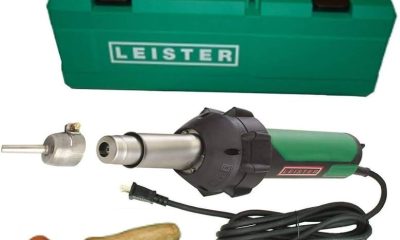

How to Shop Leister ST Tools for Plastic Fabrication
Professionals who shop Leister ST tools are looking for dependable hot-air equipment for plastic fabrication, repair and maintenance tasks. Leister’s...


Simplifying Your Auto Transport Process: A Complete Auto Shipping Guide for Stress-Free Vehicle Transport
Introduction Shipping a vehicle for the first time can feel like navigating a maze of logistics, terminology, and unfamiliar choices....


Mobile Gambling vs the Full Desktop Casino Experience
Online casino games are no longer tied to one kind of screen. Some players prefer opening a full casino site...


The 10 Best AI Image to Video Generators of 2026
Transforming static visual assets into high quality video motion is no longer a complex task reserved for specialized visual effects...




Wardrobe Hangover: Why You Keep Buying Clothes You Don’t Wear

The Outfit That Speaks for Itself: Zach Bryan Merch, Parke, and Rolex Replica Every Day

Men’s Streetwear Denim Guide 2026: How Amiri and Mixedemotions Get Premium Jeans Right

Why Some Online Casino Games Feel Easier to Return To

When Access Becomes Instant Patience Becomes Optional: Z library

Assessing the Chances of South Africa at the World Cup
-
 Biography8 years ago
Jacqulyn Elizabeth Hanley is the Mother of Liza Soberano?
-
Biography8 years ago
Amanda Levy Mckeehan Biography, Family, Net Worth, Age, Affairs, Facts
-
Home7 years ago
Epson L3110 Driver Free Download Latest Updated Version
-
Games5 years ago
Best Free To Play MMORPG To Try This 2021
-
Biography8 years ago
Who is Rose Dorothy Dauriac? Scarlett Johansson Daughter?
-
Home8 years ago
Liza Soberano Biography, Age, Family and Boyfriends
-
Biography7 years ago
Jessica Ditzel Secret Information that Nobody Knows | Joe Rogan’s Wife
-
Biography8 years ago
What is the relation of Nathaniel Larry Osorno with Liza Soberano?