Fashion
The Outfit That Speaks for Itself: Zach Bryan Merch, Parke, and Rolex Replica Every Day

Getting Dressed Should Feel Like a Decision, Not a Default
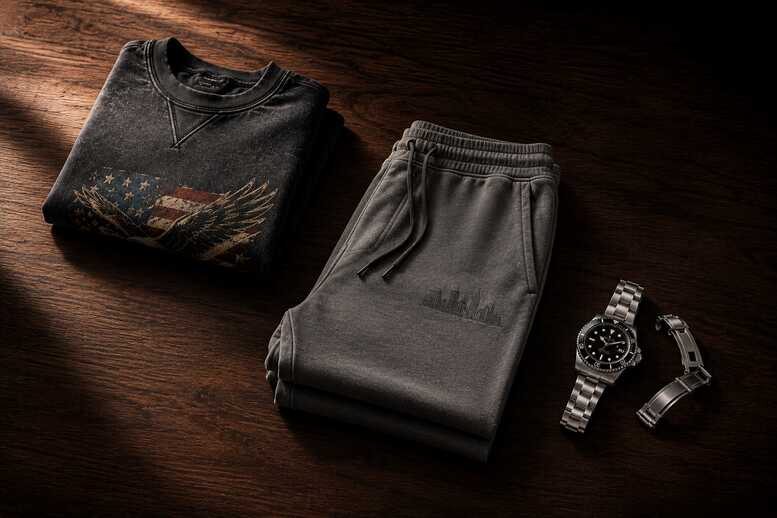
Every morning, you choose what to wear, even when it doesn’t feel like a choice. Reaching for the same rotation of pieces that require no thought is a choice — it’s just not a particularly deliberate one, and the outfits it produces communicate that lack of deliberateness in ways most people can feel even when they can’t explain them. The wardrobe worth building is one where every piece is there because it was chosen, not because it accumulated. That distinction sounds simple, but it changes everything about how getting dressed feels and, more importantly, what the resulting outfit communicates to anyone who sees it. Zach Bryan merch places music at the centre of casual dressing — clothing that connects to specific songs and live moments that carry emotional weight in a way that no lifestyle brand can replicate through design alone. Parke brings city identity and construction quality to the casual foundation pieces that carry most daily outfits without demanding attention for themselves. And a Rolex replica brings the single elevated detail to the wrist that changes how a full casual outfit reads without asking for luxury spending to achieve it. None of these three things requires a trend to justify its presence in a wardrobe. None of them goes out of fashion when the season changes. And none of them asks you to dress like anyone else or follow a style system designed for someone with different interests and a different life. What they ask is simply that you know what you like and choose it on purpose — which is the only real requirement for a wardrobe that works every day.
Why Zach Bryan Merch Creates a Connection That Clothing Brands Never Can
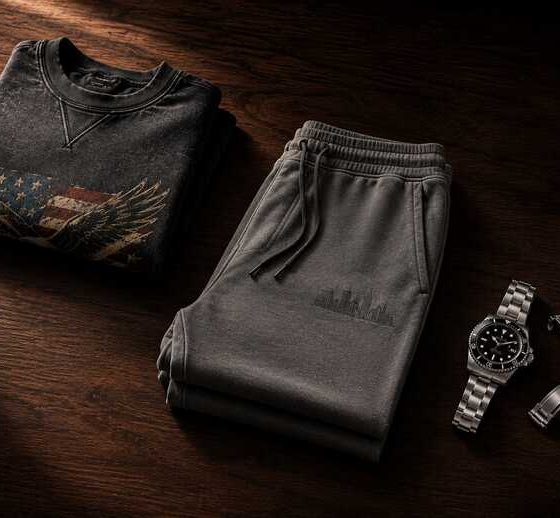
Clothing communicates before it’s examined. The first reading of an outfit happens at a distance, in the first second of visual contact, before anyone has the chance to look closely at fabric quality or graphic detail. What that first reading registers is whether the outfit looks intentional or incidental — whether the person wearing it made a choice or simply got dressed. Zach Bryan merch reads as intentional because it references something real and specific. The American Heartbreak crewneck, the Burn Burn Burn tour sweatshirt, the Quittin’ Time pieces — each one carries a cultural reference that requires genuine familiarity with the music to fully decode, and that specificity communicates a level of personal investment that generic branded clothing never achieves. You’re not just wearing a graphic. You’re wearing a reference to something that mattered to you at a specific point in your life, and that distinction is visible in how the piece sits on the body even before anyone reads the design. From a construction standpoint, the heavyweight cotton blend sweatshirts in the current Zach Bryan lineup hold their shape through years of regular wear in a way that cheaper merch construction doesn’t. The specific hands-on detail worth knowing is that the drawstring hardware on the heavier Zach Bryan hoodie configurations uses a cast metal cord lock rather than a moulded plastic one, and cast metal cord locks don’t crack or deform under the pressure of regular tightening and loosening the way plastic alternatives do after several months of daily use. That’s a small detail that most people never think about until their cord lock snaps and the drawstring becomes impossible to adjust cleanly.
Four Qualities That Make Zach Bryan Tour Merch Worth Buying Seriously
The quality gap between artist merch worth keeping and disposable branded clothing is real and specific. Here are four concrete qualities that separate the Zach Bryan tour merch lineup from generic fan merchandise.
- Designs that connect to specific creative moments rather than generic branding. Every piece in the Zach Bryan catalogue references a real album, a real tour, or a real live show moment rather than existing purely as branded apparel. That design specificity creates cultural meaning that no amount of lifestyle brand investment can manufacture from scratch.
- Heavyweight cotton blend construction that holds its integrity through daily wear. Quality garment construction at the appropriate fabric weight resists thinning at the collar binding, cuff ribbing, and underarm seams — the three places where inferior construction always begins to fail after regular machine washing.
- Screen printing that becomes structurally integrated with the fabric. Properly applied screen printing using plastisol or water-based inks bonds with the fabric fibre structure rather than sitting on the surface, preventing the cracking and edge lifting that heat transfer vinyl produces within the first few months of regular washing.
- Genuine limited availability on tour and show-specific pieces. A Zach Bryan hoodie tied to a specific tour date genuinely sells out without restocking. That scarcity is real rather than manufactured, and the piece carries a story attached to a specific moment that can’t be replicated later at any price.
These four qualities together explain why treating well-made artist merch as a wardrobe investment rather than a fan purchase is the right perspective from the start.
What Parke Brings to a Wardrobe That Basic Streetwear Brands Miss
The parke brand fills a genuine gap in the casualwear market between fast fashion basics and luxury streetwear labels — a gap that a surprising number of people building casual wardrobes struggle to find anything useful in. What Parke delivers across its full range, from hoodies and sweatshirts through to sweatpants and denim, is clean construction quality, city-referencing graphic identity, and garments designed to work in real daily life rather than in carefully staged content. The city-based design language is the element that gives every Parke piece its long-term relevance in a wardrobe. Whether it’s a Chicago sweatshirt, a New York hoodie, or a Los Angeles mockneck, each piece references a geographic identity rather than a seasonal trend — which means the garment doesn’t become unfashionable when the colour palette or silhouette that was popular at the time of purchase moves on to something else. That staying power is precisely what separates a wardrobe investment from a fashion purchase, and it’s why Parke pieces consistently look as relevant after two years of wear as they did the day they arrived. The sweatpants in the Parke lineup are worth specific mention because they’re the piece most people underestimate before they try them. The boxer and unisex sweatpant configurations use a heavier fabric weight than most comparable casualwear alternatives, and the waistband construction maintains its elasticity through repeated washing rather than developing the permanent outward roll that cheaper elastic waistbands produce after several months of regular wear. Personally, I think pairing a Parke sweatpant with a Zach Bryan merch crewneck is one of the most underrated casual outfit combinations available at these price points, because the quality of both pieces makes the combination feel more considered than the individual items might suggest.
Five Ways to Build a Complete Daily Outfit Around These Three Categories
A Zach Bryan merch piece, a Parke garment, and a Rolex replica on the wrist can come together in multiple ways depending on the setting, the season, and how much visual layering the occasion calls for.
- Build the outfit from the Parke piece outward. A Parke sweatshirt or sweatpant as the base layer, a Zach Bryan merch crewneck as the top layer, and a Rolex replica on the wrist gives the outfit three distinct levels of visual identity without any one of them competing with the others.
- Let the Zach Bryan merch graphic lead and keep the Parke piece neutral. When the merch graphic is strong — a detailed tour illustration or a bold lyric reference — a plain or minimal Parke sweatpant in grey or black gives the graphic room to read clearly rather than fighting for attention with a second busy element.
- Use the watch configuration to adjust the outfit’s register. A Datejust-style Rolex replica with a jubilee bracelet pushes a Zach Bryan hoodie and Parke sweatpant combination slightly toward smart-casual. A Submariner in full steel keeps it firmly in casual territory. The watch does that work without requiring any change to the clothing.
- Match the metal temperature to the clothing tone. Warm amber and earthy merch graphics pair naturally with a two-tone or rose gold fake Rolex. Cool grey and navy Parke pieces sit better against a full-steel configuration with a dark sunray dial.
- Keep footwear completely clean throughout. White leather sneakers or simple suede loafers give the three main pieces room to communicate without visual noise from below pulling attention away from where the outfit’s identity lives.
Why a Rolex Replica Earns Its Place in a Casual Wardrobe
A Rolex replica at the quality end of the market provides something specific and genuinely hard to replicate at the price: daily wrist presence that changes how a full casual outfit reads without requiring luxury spending to achieve it. The honest limitation is worth stating directly — a Rolex replica is a replica. It won’t hold value the way a genuine Swiss timepiece does. It doesn’t carry the engineering history of a movement assembled in a Swiss manufacture. A watchmaker examining it closely will identify it. Buying one should be done with a full understanding of that reality. What it delivers in daily use alongside Zach Bryan merch and a Parke sweatshirt or sweatpant is the finishing detail that makes the outfit feel complete. Physical weight on the wrist communicates consideration before anyone consciously registers the watch, because weight and presence are sensed rather than analysed at first contact. That communication — the feeling that every element of the outfit was thought about — is what a well-made Rolex replica delivers at a price point that doesn’t require compromising everything else in the wardrobe to achieve it. The Submariner configuration in full steel remains my consistent personal recommendation for this kind of wardrobe because its sports case profile and ceramic bezel work naturally against casual clothing in a way that dress references like the Day-Date or Cellini simply don’t, and its visual identity is strong enough to carry its function as the outfit’s single elevated detail without any support from additional accessories.
How to Choose the Right Rolex Replica Configuration for This Wardrobe
A replica Rolex in the wrong reference creates a visual mismatch that registers intuitively even to people with no watch knowledge, because the disconnect between formal watch aesthetics and relaxed casual clothing is felt before it’s consciously analysed. The Submariner in full steel is the safest starting point because its sports architecture translates naturally into every setting that Zach Bryan merch and Parke pieces occupy — casual coffee runs, creative workspaces, evenings out in relaxed settings, and everything in between — without looking out of place or incongruous against heavyweight cotton and structured casualwear. The GMT-Master II with a coloured bezel adds a specific colour element to the wrist that works particularly well when the merch piece carries secondary colours that the bezel can pick up and echo, creating a tonal connection between the watch and the outfit that makes the fake Rolex feel integrated into the specific combination rather than simply present on the wrist. The Datejust 41 in steel with a jubilee bracelet and a dark sunray dial is the reference that works when you want to push a casual merch-and-Parke combination toward smart-casual for a specific occasion without changing any of the clothing, because the bracelet’s dress character does that work entirely through the wrist. In evaluating any specific piece before purchase, check bracelet construction first. Solid-link construction with screw connections produces the lateral rigidity and physical weight that hollow-link alternatives cannot match — and that difference is immediately apparent the moment you pick the watch up.
Why This Combination Keeps Working Without Trend Attention
The most practical advantage of building around Zach Bryan tour merch, parke streetwear, and a Rolex replica is that none of these three things depends on trend cycles to stay relevant. Zach Bryan’s music connects to human experiences that don’t expire when a cultural moment passes — loss, place, memory, the weight of specific times in a life — and the merch tied to his work carries that meaning across years rather than seasons. Parke’s city-based design language builds each piece around geographic identity rather than seasonal palette, so a Chicago sweatpant or a Boston hoodie doesn’t become unfashionable when whatever was popular at the time of purchase shifts into something else. And the Rolex design language in classic configurations has remained essentially unchanged for decades because those designs work at a level that makes revision unnecessary. What you end up with from these three categories is a wardrobe foundation that stays relevant without maintenance, gets more personal over time because the pieces accumulate meaning with wear, and never requires you to pay attention to what’s currently being promoted to walk out the door looking considered every morning.
Final Words
The wardrobe that works every morning is the one built from real choices rather than convenient ones. Zach Bryan merch puts music that genuinely matters to you into what you wear every day. Parke puts construction quality and city identity into the casual foundation that carries most outfits without demanding attention for itself. And a Rolex replica puts the wrist detail that makes the full picture feel finished rather than assembled. None of these three things asks you to follow a trend, spend beyond your means, or dress like someone else. What they ask is that you choose them deliberately — and that single quality, applied consistently across a wardrobe, is what makes getting dressed feel like something worth doing.
FAQs
Q: Are Zach Bryan merch sweatshirts different in construction from the hoodies?
The sweatshirt configurations typically use the same heavyweight cotton blend fabric as the hoodies, but with a crewneck construction rather than a drawstring hood. The print quality and seam construction follow the same standards across both garment types in the current lineup.
Q: Do Parke sweatpants work as part of a complete outfit or just loungewear?
The Parke sweatpant configurations are designed for daily wear rather than purely at-home use. The heavier fabric weight and clean waistband construction give them a more considered silhouette than standard loungewear sweatpants, and they pair well with Zach Bryan merch crewnecks and clean sneakers for a complete casual outfit that reads as intentional.
Q: What Rolex reference works best with sweatpants and a merch crewneck?
The Submariner in full steel is the most natural match for a sweatpant-based casual outfit because its sports profile sits comfortably in fully casual settings. The GMT-Master II with a coloured bezel is a strong alternative when you want to add a colour detail at the wrist that connects to the merch graphic.
Q: How do I know if a Rolex replica bracelet is solid-link or hollow-link before buying?
Ask the seller for a close-up photo of the bracelet from the side and a short video of the watch being picked up and turned over. Solid-link bracelets have a specific weight and sound when set down on a hard surface — a solid thud rather than a light rattle. Hollow-link bracelets also develop a visible side-to-side wobble between links that solid construction doesn’t produce.
Q: Can Parke pieces be mixed with more formal wardrobe items?
The mockneck configurations in particular transition well into smart-casual territory when paired with tailored trousers and clean leather shoes. The sweatpants and hoodies are better suited to fully casual settings, though pairing them with a Datejust-style replica Rolex pushes even a fully casual Parke-and-merch outfit slightly upward toward smart-casual through the wrist alone.
Read More: jacqulyn elizabeth hanley

The Quiet Shame Hanging in Your Closet
Open your wardrobe right now. Look at it honestly. How many pieces in there have you worn in the last month? Probably less than a third. How many still have tags on them? Probably more than you want to admit. How many were bought during a “moment” late at night, after a bad day, during a sale, after seeing someone wear something similar and never actually integrated into your real outfits? Almost all of them. This is the wardrobe hangover, and it’s the single most common pattern in modern clothing consumption. People buy way more than they wear, then feel vaguely guilty every time they open the closet, then go buy more pieces hoping the next purchase will somehow fix the feeling. It never does. The pattern is so universal that researchers studying consumer behaviour have whole frameworks built around it, and apparel companies design their marketing strategies specifically to trigger it. You’re not broken or weak for falling into it. You’re being targeted by an industry that profits from your impulse buying and resells the unworn pieces back to other shoppers as part of the same cycle. That’s not a conspiracy theory that’s literally how fast fashion works. The first step out of this pattern is recognising it for what it is. The second step is understanding why your brain keeps falling for the same triggers despite knowing better. After spending years watching customers shop in retail environments and analysing the patterns behind their decisions, I’ve come to believe that fixing your wardrobe is more about psychology than style. Let’s actually dig into it.
The Dopamine Loop That Makes Shopping Feel Like Therapy
There’s a reason buying clothes feels good even when you don’t really need them. Your brain releases dopamine not when you receive a reward, but when you anticipate one. The moment you add a piece to your cart, the moment you click checkout, the moment the delivery notification arrives these are the peaks of the dopamine cycle. The actual unboxing is often anticlimactic, and the wearing of the piece even more so. This is why so many people feel let down by clothes they were excited about for weeks. The anticipation was the high. The garment itself was always going to be disappointing by comparison. Brands like geedup understand this on some level, which is why drop culture became such a powerful sales mechanism anticipation gets manufactured deliberately, with countdown timers, limited stock, and exclusive releases that train your brain to chase the hit. None of this is malicious necessarily, but it’s worth understanding because it explains why you keep shopping even when your wardrobe is full. Your brain isn’t actually craving more clothes. It’s craving the dopamine cycle that buying clothes provides. Recognising this distinction changes everything about how you approach purchases. Once you see the loop clearly, you can satisfy the dopamine craving in other ways going for a walk, calling a friend, working on a creative project instead of defaulting to shopping every time the urge hits. The dopamine doesn’t care what activity provides it. Your bank account and your closet do.
The Specific Triggers That Make You Click Buy
There are predictable moments when impulse buying spikes, and learning to recognise these moments is half the battle. The most common triggers worth watching for in yourself:
- Late evening browsingwillpower drops after 8pm, and the brain’s impulse-control circuits get tired alongside the rest of you. Most regretted purchases happen between 9pm and midnight.
- After emotional eventsbad day at work, argument with someone, feeling lonely, feeling stressed. Shopping becomes a quick mood regulator that promises relief without addressing the actual issue.
- During sale eventsBlack Friday, Boxing Day, end-of-season clearances. Discount language tricks your brain into thinking you’re saving money even when you’re spending it on things you don’t need.
- Right after paydaythe temporary surge in available cash makes purchases feel painless, even when you’ve already allocated that money to bills or savings mentally.
- After seeing someone wear somethingfriend, coworker, stranger on the street, influencer on social media. Social comparison drives more purchases than people realise.
- When you’re boredempty time gets filled with browsing, and browsing turns into buying. Boredom shopping accounts for a surprising percentage of impulse purchases.
- After a styling failureyou couldn’t put together an outfit you liked, so you assume the solution is more pieces rather than learning to use what you already own.
Track your own purchases for a few weeks and see how many of yours fall into these categories. The pattern will be obvious within a month. Once you can name the trigger driving a purchase impulse, you can decide whether the impulse is worth acting on or just worth riding out for a few hours. Most impulses fade within 24 hours if you don’t act on them. That’s the loophole in the system.
How Social Media Hijacks Your Wardrobe Decisions
Social platforms have changed shopping in ways that researchers are still trying to fully measure. The basic problem is that you’re now exposed to thousands of outfit images per week, far more than any human in history was ever supposed to process. Each image triggers a small comparison does my outfit look like that? Should I own that piece? Why doesn’t my closet feel as good as theirs? The cumulative effect is constant low-grade dissatisfaction with your existing wardrobe, even when nothing is actually wrong with it. The algorithm makes this worse by learning what you respond to and feeding you more of it. Click on one CDG outfit and you’ll see twenty more within the hour. Search for comme des garcons once and your feeds will reshape themselves around the brand until your impulse to own it becomes nearly impossible to ignore. This isn’t accidental. The platforms profit from your engagement, and shopping content drives high engagement, so the system optimises to keep you in shopping mode. Meanwhile, the outfits you see online aren’t representative of how people actually dress in daily life. They’re curated, photographed in good lighting, styled with pieces collected over years, and often presented by people whose job is making outfits look good. Comparing your normal Tuesday outfit to someone’s professional content creates an unfair benchmark that no amount of new pieces will ever satisfy. The most useful single change you can make is reducing your exposure. Unfollow accounts that consistently make you want to shop. Mute hashtags that trigger purchase impulses. Spend less time scrolling and more time actually wearing the clothes you own. The improvement in your relationship with your wardrobe will surprise you within weeks.
The Identity Trap of Aspirational Buying
This one runs deeper than most people realise. A lot of clothing purchases aren’t really about the clothes they’re about the person you imagine yourself becoming when you wear them. The hoodie you bought wasn’t really a hoodie. It was the version of you who works out regularly, has weekend plans with cool friends, and looks effortless in photos. The piece arrives, you put it on, and the imagined version of yourself doesn’t materialise. The hoodie is just a hoodie. The disappointment that follows often pushes you toward another aspirational purchase, hoping the next piece will finally trigger the transformation. The cycle never ends because clothes can’t deliver identity changes. Only behaviour can do that, and behaviour is much harder than clicking checkout. Brands like cole buxton and similar premium labels often sell aspirational identity as much as actual clothing the imagery, the campaigns, the styling all suggest a particular kind of life that the pieces are supposed to grant access to. The clothes themselves are usually well-made, but the identity transfer is fictional. The honest limitation worth admitting: I’ve fallen into this trap myself more times than I’d like to count. I bought a structured overcoat last winter convinced it would make me more of a “structured overcoat kind of guy” more put-together, more elevated, more whatever I was reaching for. The coat was beautiful. The transformation never came. I’m still the same person, just with a nicer coat in the closet that I wear maybe four times a year because the rest of my wardrobe doesn’t actually match the life I imagined. The lesson stuck. Now I ask myself before any premium purchase: am I buying this piece for who I am, or for who I wish I was? If it’s the second, the piece won’t get worn enough to justify itself. The answer doesn’t always stop me, but it slows me down enough to make better choices most of the time.
The Sale Trap and Why “Saving Money” Costs You
Sales feel like wins. You bought a $200 piece for $80, so you saved $120, right? Wrong. You spent $80 on something you wouldn’t have bought at full price, which means you spent $80 on something you didn’t really want. The “savings” framing is a marketing trick designed to make spending feel like earning. Once you see this clearly, sales become much less compelling. The pieces in your wardrobe that you wear most often were almost certainly bought at full price, not on sale. Sale purchases tend to cluster in the unworn section because the buying impulse was driven by the discount rather than genuine desire for the piece. There are exceptions, of course. A few clear cases where sale shopping makes sense:
- You were already planning to buy a specific pieceand the sale happened to coincide with your decision, knocking down the price you’d already committed to.
- The piece is a true wardrobe foundationyou’ll wear weekly for years, and the sale lets you access premium quality at a more accessible price point.
- You’re replacing a piece that wore outand the replacement happens to be on sale, which is just lucky timing.
- Off-season buying for next year, like a winter coat in spring sales, where you know the climate guarantees future use.
- End-of-line clearance on a piece you’ve owned and loved before, which lets you grab a backup at a discount.
Outside these scenarios, sale shopping is almost always impulse shopping with a discount sticker. The discount didn’t change whether you needed the piece. It only changed how good the purchase felt in the moment. Resist the framing that discounts equal savings, and you’ll cut your unworn-clothing pile dramatically within a year.
How to Actually Break the Cycle (Practical Steps)
Awareness alone doesn’t fix the pattern. You need actual behaviour changes that interrupt the impulse loop and rebuild a healthier relationship with shopping. The most effective changes I’ve personally tested and seen work for others. Start with a complete inventory of your existing wardrobe. Physically pull every piece out and try it on. Photograph the pieces that fit and that you actually wear. Bag up everything else for donation or resale within a month. This single exercise reveals how much unused capacity is already sitting in your closet and usually kills the urge to buy more for several weeks. Implement a waiting period for any non-essential purchase. Twenty-four hours minimum, ideally seventy-two. If you still want the piece three days after first seeing it, the impulse was real. If you don’t remember it, the impulse was just a passing dopamine wave. This rule alone eliminates maybe sixty percent of unnecessary purchases. Unsubscribe from every clothing brand email list. Marketing emails are designed to manufacture urgency and trigger sales. You don’t need them in your inbox. Unfollow accounts on social media that consistently push you toward shopping. Replace that feed time with something else reading, walking, calling friends, anything. The pull weakens significantly within a few weeks of reduced exposure. Set a clothing budget per month and stick to it. Even a generous budget creates friction that slows impulse buying. Going over the budget should require a conscious override decision rather than happening invisibly. Track what you actually wear for a few months. Most apps or even a simple spreadsheet can show you your real usage patterns. The data is sobering and clarifying in equal measure. These habits compound. Within six months of practicing them consistently, your wardrobe will start to feel intentional rather than chaotic, and your closet won’t trigger guilt every time you open the door.
Building a Healthier Relationship With Clothes Over Time
The goal isn’t to stop enjoying clothes or to become a minimalist hermit. The goal is to enjoy clothes more by owning fewer of them and actually wearing what you have. People with intentional wardrobes report higher satisfaction with their clothing than people with crammed closets, even though they own much less. The reason is simple they wear what they love, they know what works, and they don’t waste mental energy choosing between options that all feel slightly wrong. Building this relationship takes time, especially after years of impulse buying have shaped your habits. Be patient with yourself. The first few months feel uncomfortable because the dopamine loops you’ve been feeding for years suddenly aren’t getting fed. Your brain will protest. Cravings will hit hard, especially during the usual trigger moments. Push through these waves by reminding yourself that the discomfort is temporary and the new pattern will feel normal within a few months. Replace the buying habit with adjacent activities that scratch similar itches without the wardrobe cost. Rearranging your existing pieces. Trying combinations you haven’t worn before. Tailoring pieces that don’t quite fit right. Photographing your outfits to track what you actually wear. These activities engage the same parts of your brain that shopping does, without the financial and physical clutter. Over time, your relationship with clothes becomes more about creativity than acquisition, more about wearing than owning. The shift is genuinely liberating once you’re far enough into it to notice. You stop dreading the wardrobe. You start enjoying it. The pieces you do own feel meaningful instead of overwhelming. That’s the actual destination worth aiming for, not a perfectly curated minimalist closet that looks good in photos but doesn’t reflect a real shift in your relationship with consumption.
Final Words
Your wardrobe hangover isn’t a moral failing or a personality flaw. It’s the natural result of operating in an environment specifically designed to encourage impulse buying, combined with dopamine loops that your brain isn’t equipped to resist on willpower alone. The fix isn’t trying harder to resist. The fix is changing the environment and habits around buying so the impulses fire less often and weaker when they do. Inventory what you own. Implement waiting periods. Reduce exposure to triggering content. Recognise sales as marketing rather than savings. Replace the buying habit with adjacent creative activities. Over time, the cravings fade, the closet calms down, and you start actually enjoying clothes again instead of constantly chasing the next purchase to fill a gap that purchases were never going to fill in the first place. The cycle ends when you decide it ends, supported by the practical changes that make ending it easier. Start somewhere small this week. Inventory one shelf, unsubscribe from three emails, wait three days before your next planned purchase. Momentum builds from small wins, and within a year your wardrobe will be unrecognisable in the best possible way.
FAQs
Q: Is it normal to have unworn clothes with tags still attached? A: Common, yes, but not ideal. Most wardrobes contain 15–30% unworn pieces. Donating or selling them frees up mental space and rewards the people who’ll actually wear them.
Q: How long should I wait before buying a piece I really want? A: At least 72 hours for non-essential purchases. If you still want it after three days, the impulse was real. If you’ve forgotten about it, you didn’t need it.
Q: Will minimising my wardrobe make me dress badly? A: Opposite, usually. People with smaller, curated wardrobes consistently report dressing better because every piece fits, works together, and gets worn often enough to feel familiar.
Q: How do I stop guilt-shopping after a bad day? A: Identify the trigger explicitly when it happens, then substitute a different activity a walk, a call, a short workout. The dopamine craving doesn’t care what activity satisfies it.
Q: Is fast fashion really worse than premium for impulse buying? A: Fast fashion is structurally designed for impulse buying through low prices and constant new drops. Premium brands tap impulse buying differently, through exclusivity and aspirational marketing. Both target the same psychology with different tools.
Read More: liza soberano brother
Why Denim Became the Most Debated Purchase in Men’s Streetwear
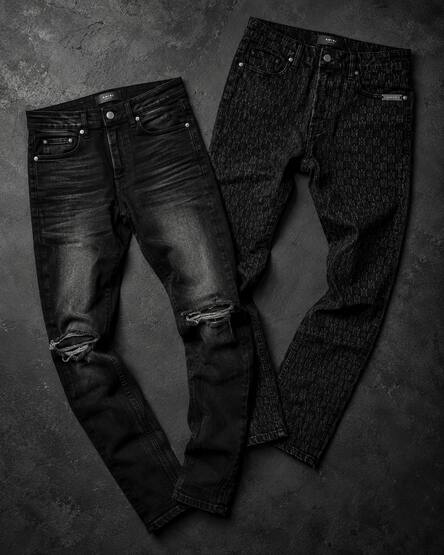
Denim sits at a strange intersection in men’s fashion. It’s the most universally worn trouser on the planet, which means buyers have strong opinions about what makes a pair good and equally strong frustrations when an expensive pair fails to deliver on its promises. In the streetwear category specifically, denim has evolved from a background garment into one of the most expressive pieces in a full outfit. The rise of monogram denim, distressed cuts, rhinestone detailing, and wide-leg silhouettes has turned what used to be a functional workhorse into a genuine statement piece that carries as much visual weight as the tee or hoodie worn above it. UK and USA buyers are approaching denim differently in 2026 than they did five years ago. The skinny fit dominance of the 2010s has fully collapsed, replaced by a market that rewards relaxed cuts, considered details, and fabrics heavy enough to hold their shape through a full day of real movement. Brands that understand this shift and build their denim around it rather than around what was trending three seasons ago are the ones earning repeat buyers. The two brands worth examining in detail this year are Amiri, which operates at the luxury end of the streetwear denim market with Italian manufacturing standards and rock-influenced distressing, and mixedemotions, which brings premium accessible denim with monogram detailing, rhinestone work, and multiple wash options that address different wardrobe needs within a single range.
What Separates Premium Streetwear Denim From Everything Else on the Market
The denim market is saturated at every price point, which makes the word premium nearly meaningless without specific construction criteria to back it up. Real premium streetwear denim differs from mid-market and fast fashion alternatives across several measurable dimensions. Fabric weight is the first. Standard fast fashion denim uses 10 to 11 oz cotton denim, which feels light and loses its structure within a few months of regular wear. Premium streetwear denim starts at 12 oz and typically sits between 13 and 14 oz, which gives the fabric a substantial body that holds a clean silhouette even after multiple washing cycles. The weave construction matters too a tight three-by-one twill produces the characteristic diagonal ribbing of quality denim and provides better abrasion resistance than looser weave constructions. Distressing quality is another differentiator that buyers underestimate until they’ve worn both types. Premium distressing is done through hand-sanding, enzyme washing, and mechanical abrasion at specific stress points the knees, the thigh break, the back pocket corners because these are where real wear patterns develop naturally. Cheap distressing applies the same abrasion pattern randomly across the fabric, which looks artificial because it doesn’t correspond to how a body actually moves inside the garment. Finally, the fit construction specifically how the rise, thigh, and knee measurements relate to each other determines whether a jean actually flatters the body or just approximately fits it. Premium brands invest in multiple fit blocks tested across different body types, while fast fashion brands use a single block and scale it mechanically up and down.
Seven Things to Check Before Buying Any Pair of Premium Streetwear Jeans
Knowing what to look for protects your investment and makes the decision significantly easier when you’re facing a product page or standing in a store.
- Hold the fabric up to light and check the weave density premium denim blocks light almost completely, while thinner constructions show light through clearly even when folded double.
- Check the selvedge edge at the outseam if visible a clean selvedge indicates the fabric was woven on a narrow loom with tighter tension, which correlates with better durability.
- Examine the pocket bag fabric cheap jeans use thin cotton for pocket bags that tears within months; premium pairs use a heavier cotton or cotton-poly blend that holds up to daily use.
- Look at the rivets and buttons cast zinc hardware tarnishes and loosens quickly, while solid copper or stainless steel hardware stays secure and develops a clean patina over time.
- Check the inseam and outseam stitching thread count more stitches per centimetre means tighter seam integrity, which directly affects how long the jean holds together at its most stressed points.
- Examine how the waistband sits when you hold it at both ends and pull lightly a properly constructed waistband with proper interfacing holds its shape, while cheaper waistbands buckle or curl immediately.
- Look at the back yoke seam the curved seam across the upper back of a jean that shapes how it sits on the body; a precisely cut yoke produces clean lines across the seat, while a poorly cut one creates bunching that no amount of tailoring fixes.
How Amiri Approaches Denim Construction and What the Results Actually Look Like
Amiri’s position in the premium denim market rests on a specific combination of Italian manufacturing standards and a distressed rock aesthetic that draws from the brand’s Los Angeles origin. The MX1 jeans the most recognisable cut in the Amiri denim range use a mid-weight Japanese selvedge denim that sits between 12.5 and 13 oz, processed through multiple hand-distressing stages before finishing. The distressing placement follows actual wear patterns rather than aesthetic randomness, which is why the knees and upper thigh areas look worn-in rather than artificially damaged the abrasion sits exactly where the fabric would develop wear naturally over years of real use. The cuts run slim through the thigh with a slight taper below the knee, which reflects the brand’s rock-influenced DNA wider cuts would undermine the visual tension that makes the aesthetic work. Hardware across the Amiri denim range uses custom cast pieces rather than stock components, and the leather patch at the rear waistband carries embossed branding that ages attractively rather than peeling away like printed alternatives. The honest limitation worth stating clearly: Amiri denim comes at luxury price points that put it out of reach for most buyers as an everyday purchase, and the slim fit runs narrow enough that buyers with athletic or wider builds may find the thigh measurement restrictive. These aren’t flaws in the product they’re characteristics of a garment built for a specific aesthetic and body type that buyers should verify against their own measurements before purchasing.
What Mixedemotions Brings to the Premium Denim Market in 2026
The mixedemotions denim range operates from a different design philosophy than Amiri but arrives at genuine premium quality through its own construction logic. The range covers ten distinct styles monogram denim in four washes, rhinestone jeans, rhinestone nylon pants, worker jeans, baggy cargos, comfort pants, and a NYC-inspired worker cut which gives buyers meaningful choices rather than colour variations on a single fit. Consider the specific strengths across this range:
- The Monogram Denim series in black, blue, grey, and light blue wash uses a repeated logo pattern woven into the fabric surface rather than printed on top, which means the detail survives washing without fading or cracking
- The ME Rhinestone Jeans apply heat-pressed rhinestone detailing at the pocket edges and leg seams, using the same application technique as the brand’s rhinestone hoodies stones pressed deep enough to survive regular washing rather than sitting adhesively on the surface
- The Baggy M.E. Cargos sit roomy through the seat and thigh with a tapered ankle, which produces a silhouette that reads as intentional rather than simply oversized this is the hardest fit to get right in streetwear denim and mixedemotions execute it cleanly
- The Worker Jeans Blue City NYC uses a heavier canvas-weight denim that sits closer to workwear construction while keeping the aesthetic firmly in streetwear territory
- The comfort pants and nylon options extend the range beyond traditional denim into alternative fabrications that serve the same wardrobe function with different material properties
How to Style Premium Streetwear Denim for UK and USA Markets in 2026
The styling logic for premium streetwear denim in 2026 differs meaningfully between the UK and USA contexts, and getting it right depends on understanding how the garment functions in each environment. UK styling tends toward restraint a monogram denim pair works best paired with a single strong tee and a clean outerwear piece, keeping the total outfit focused rather than stacking multiple detailed elements. The denim itself carries the visual interest for the lower half, which means the upper body should support rather than compete. In US contexts, particularly on the West and East coasts where streetwear culture is most concentrated, layering multiple expressive pieces works more comfortably because the visual grammar of the style is more established and accepted. An Amiri distressed jean pairs naturally with a rock-influenced graphic tee and an open flannel or nylon jacket in a US context in a way that might read as too busy in a London or Manchester setting. Both markets have moved toward relaxed fits in 2026 the skinny jean moment is definitively over across both geographies, and the mainstream acceptance of wide-leg and baggy silhouettes means buyers can explore fit options that would have read as extreme five years ago. The mixedemotions jeans range covers both ends of this fit spectrum, from the structured worker cut to the genuinely relaxed baggy cargos, which makes it easier to find the right silhouette without shopping across multiple brands.
The Real Difference Between Buying Denim at Luxury and Premium Accessible Price Points
The price gap between Amiri denim and premium accessible brands like mixedemotions is significant, and it deserves honest analysis rather than the usual brand hierarchy arguments that favour luxury by default. At the luxury end, you’re paying for Italian manufacturing tolerances, Japanese selvedge denim sourcing, hand-distressing labour, and the cultural cache that comes with a brand that’s been building its identity for over a decade. Those are real costs that produce real differences in the finished product the construction precision and the cultural signal are both genuine. At the premium accessible end, you’re paying for quality fabric, considered design, and construction standards that sit well above mid-market alternatives without the luxury overhead. The mixedemotions denim range ships from its own store with a 30-day return window, worldwide delivery, and free shipping above $150 operational standards that reflect a brand serious about the buying experience rather than just the product itself. The practical decision framework is straightforward: if you’re building a wardrobe and want one pair of jeans that make a strong statement and reflect a specific cultural heritage, Amiri earns that investment. If you want a denim range that covers multiple fit needs and wash preferences at a level of quality that holds up through daily wear, mixedemotions delivers that without requiring luxury spending on every piece.
Where to Buy Premium Streetwear Denim Without Getting Counterfeit Products
The premium streetwear denim market carries a significant counterfeit risk, particularly for high-demand brands where the price differential between authentic and fake creates strong incentive for imitation. The authentication markers for premium denim are specific and worth knowing.
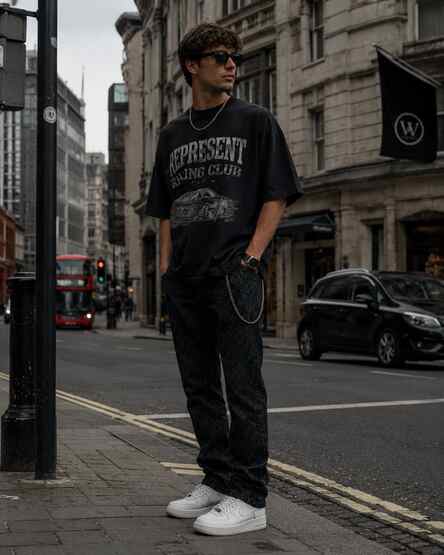
For Amiri pieces, check the leather patch at the rear waistband authentic patches use full-grain leather with clean embossing, while counterfeits use bonded leather that cracks at the edges and prints that blur under close inspection. Check the hardware stamp Amiri uses branded hardware across its denim range that shows clean, deep stamping with consistent letter spacing. For mixedemotions pieces, buying directly through the brand’s own channels removes counterfeit risk entirely, since the brand operates as a direct-to-consumer store rather than distributing through third-party resellers where authentication becomes complicated. A specific hands-on observation from working with multiple denim brands: the single most reliable authentication check on any premium denim pair is the pocket bag stitching counterfeit operations consistently cut corners here because pocket interiors aren’t photographed in listing images, so the stitching is rougher, the thread tension is inconsistent, and the pocket bag fabric is lighter than the authentic version. If someone hands you a pair of jeans and claims they’re premium or authentic, turn them inside out and check the pocket bag first.
Final Words
Premium streetwear denim in 2026 rewards buyers who understand construction before they commit to a brand. Amiri delivers luxury manufacturing standards, considered distressing, and a rock-influenced aesthetic that carries genuine cultural weight at a price that reflects those qualities honestly. Mixedemotions delivers a broader denim range covering multiple fits, washes, and detailing options at premium accessible prices, with construction quality that holds up through daily wear and a buying experience backed by clear policies. Both brands deserve more consideration than their marketing suggests the difference between them is not quality versus hype, but rather where each sits on the price and specificity spectrum. Buy according to what your wardrobe actually needs, check the construction details before spending money, and source from verified channels. That approach will protect your investment better than brand loyalty alone ever could.
FAQs
Q: What makes Amiri denim worth the premium price? A: Amiri uses Japanese selvedge denim processed through multiple hand-distressing stages with Italian manufacturing precision. The hardware is custom cast rather than stock, the distressing follows real wear patterns rather than aesthetic randomness, and the construction tolerances are tighter than mid-market alternatives. You’re paying for those specific differences, not just the label.
Q: Does mixedemotions ship jeans to the UK and USA? A: Yes. Mixedemotions ships worldwide with standard delivery in up to 21 business days for $19 and express delivery in 7 to 8 business days for $29. Orders over $150 qualify for free international shipping, which most single jeans purchases will reach.
Q: What fit should I choose for streetwear denim in 2026? A: Relaxed and straight fits are dominant in both UK and USA streetwear markets in 2026. Skinny fits have largely exited the streetwear conversation. For most buyers, a straight leg with a relaxed thigh is the most versatile option it reads as intentional rather than oversized and pairs cleanly with both fitted and oversized tops.
Q: How do I care for premium streetwear denim to make it last? A: Wash inside out on a cold cycle with similar-weight garments. Avoid tumble drying where possible air drying preserves the fabric weight and prevents shrinkage that affects the fit. Wash less frequently than you think necessary, as denim’s tight weave means it stays cleaner longer than lighter fabrics.
Q: What is monogram denim and why is it popular in 2026? A: Monogram denim features a repeated brand logo or pattern woven or treated into the fabric surface. It adds visual interest to the lower half of an outfit without introducing a competing graphic element, making it easier to style with bold tops. The popularity in 2026 reflects the broader move toward considered detail over logo-heavy branding.
Read More: john castillo soberano
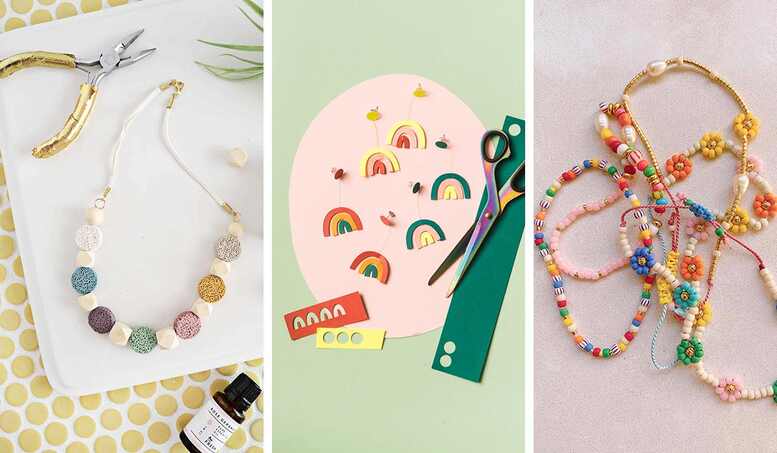
Music can evoke emotions and memories, and for many, incorporating this passion into wearable art is a delightful venture. Crafting DIY jewelry with a musical theme allows for personal expression and creativity. Whether you are a seasoned jewelry maker or a beginner looking to tune into a new hobby, there are a myriad of resources at your disposal to create pieces that sing to the soul. Below, we delve into the elements of making your own music-inspired adornments that hit all the right notes.
Exploring the Melody of Materials: What to Use for DIY Music Jewelry
Choosing the right materials for music-inspired jewelry is like assembling a band, where each piece plays a role in the final look and feel. Sleek metals like sterling silver and stainless steel offer a modern touch, while brass, copper, and leather cords bring vintage or rustic charm. Beads shaped like notes or treble clefs add playfulness, and glass or acrylic accents provide bold splashes of color.
For a more unique and sustainable twist, consider recycling old instrument strings or incorporating items like piano wire and sheet music. Craft stores and online marketplaces are great places to find these treasures. Music-themed charms, in particular, help tie the design to its inspiration, making each piece both personal and expressive.
Harmonizing Design and Meaning in Your Music-Inspired Jewelry Projects
Designing music-inspired jewelry involves blending personal meaning with artistic expression. Starting with a theme helps guide choices, whether drawn from favorite genres, meaningful lyrics, or instruments. Music lovers often choose symbols like etched lyrics or miniature instrument charms to represent their passions. Visual design can echo musical elements such as symmetry, layering, or minimalism to reflect rhythm and harmony.
Shapes, textures, and colors work together to mimic sound’s richness. Jewelry becomes a storytelling medium, where birthstones, color schemes, and design details can represent emotions, identities, or memories tied to specific songs or styles. Each piece offers a chance to translate music into a wearable, meaningful form.
Finding the Right Tools for Crafting Musical Note Necklaces and Earrings
Equipping your jewelry-making bench with the right tools is essential for crafting music-inspired designs. Pliers such as round nose, chain nose, and flat nose offer the precision needed to bend wire and add components. Wire cutters trim excess material, while tweezers help place small beads or charms. For paper elements like sheet music, sharp scissors, and clear sealant, ensure durability.
A crimping tool secures clasps and beads, giving pieces a professional touch. Jewelry hammers and metal stamps let you emboss musical symbols on metal for added flair. Soldering tools or strong adhesives help with assembly based on the chosen materials. A reliable kit or custom toolset simplifies the process and enhances creativity.
Techniques and Tips for Assembling Your Own Symphonic Accessories
Mastering basic techniques is essential for crafting durable and attractive DIY music-themed jewelry. Skills such as opening and closing jump rings, threading beads, and attaching clasps form the foundation of strong, wearable designs. Beading patterns that mimic the rhythm of songs can add a visual beat to your work, while secure knot-tying keeps stringed pieces intact.
Those interested in metalwork should practice cutting, shaping, and filing for clean finishes on charms shaped like instruments or notes. Applying patina to metals enhances the vintage look. Drawing from musical notation, such as clefs and rests, helps infuse each piece with authentic musical character and creative depth.
Online Communities and Marketplaces for Music Jewelry Crafting Inspiration
Inspiration for DIY music jewelry projects can be found by exploring online platforms like Pinterest and Instagram, where hashtags lead to fresh design ideas and tutorials. Engaging with forums dedicated to jewelry making or music-themed crafts allows crafters to exchange tips, share creations, and connect with others who share their passion.
Online marketplaces such as Etsy and eBay offer both unique materials and insight into how others market their music-inspired pieces. Browsing these sites helps identify trends and spark creativity. Virtual classes and video tutorials from experienced artisans also provide valuable step-by-step instruction, helping crafters refine techniques and explore new approaches to blending music with jewelry design.
Overall, the vast resources available online offer both novices and veterans ample opportunities to create harmonious music-themed jewelry that resonates with their style and passion for music. Whether it’s through carefully curated materials, thoughtful design, the right tools, or the endless inspiration from a community of creators, crafting DIY music-inspired jewelry is an enriching experience that culminates in wearable melodies.


5 Ways Moving and Storage Can Transform Your Relocation Experience
Key Takeaways Professional moving and storage services can reduce the stress and physical demands associated with relocation. Expert movers use...


Revitalize Your Energy from the Couch: The Complete Guide to NAD+ IV Drips at Home
This comprehensive guide explores how receiving an IV drip at home can help restore vital energy and optimize long-term health....


How to Shop Leister ST Tools for Plastic Fabrication
Professionals who shop Leister ST tools are looking for dependable hot-air equipment for plastic fabrication, repair and maintenance tasks. Leister’s...


Simplifying Your Auto Transport Process: A Complete Auto Shipping Guide for Stress-Free Vehicle Transport
Introduction Shipping a vehicle for the first time can feel like navigating a maze of logistics, terminology, and unfamiliar choices....


Mobile Gambling vs the Full Desktop Casino Experience
Online casino games are no longer tied to one kind of screen. Some players prefer opening a full casino site...


The 10 Best AI Image to Video Generators of 2026
Transforming static visual assets into high quality video motion is no longer a complex task reserved for specialized visual effects...

The Art of Modern Food Storage: Mastering Kitchen Organization and Ingredient Freshness
Maintaining an organized and efficient kitchen is one of the most rewarding home habits a person can build. Food storage...


Why Low-Profile Folding Chairs Are the Ultimate Road Trip Hack
Imagine driving for three hours along a winding coastal highway. The sun is starting to dip, and you spot a...


Design Meets Innovation: The Hottest Trends in Custom Trade Show Exhibits for 2026
As businesses look to reach prospects in new, interesting, and memorable ways, trade shows are evolving too. Exhibit spaces are...


Wardrobe Hangover: Why You Keep Buying Clothes You Don’t Wear
The Quiet Shame Hanging in Your Closet Open your wardrobe right now. Look at it honestly. How many pieces in...




When Access Becomes Instant Patience Becomes Optional: Z library

Assessing the Chances of South Africa at the World Cup

Designs that Support Longevity in Online Gambling Platforms

Custom Tent Buying Guide: Key Features to Look for in a Durable Branded Display

Why Stability Matters: Navigating the Choice to Move Fostering Agencies

Understanding Stairlifts in the Home
-
 Biography8 years ago
Jacqulyn Elizabeth Hanley is the Mother of Liza Soberano?
-
Biography7 years ago
Amanda Levy Mckeehan Biography, Family, Net Worth, Age, Affairs, Facts
-
Home7 years ago
Epson L3110 Driver Free Download Latest Updated Version
-
Games5 years ago
Best Free To Play MMORPG To Try This 2021
-
Biography7 years ago
Who is Rose Dorothy Dauriac? Scarlett Johansson Daughter?
-
Home8 years ago
Liza Soberano Biography, Age, Family and Boyfriends
-
Biography7 years ago
Jessica Ditzel Secret Information that Nobody Knows | Joe Rogan’s Wife
-
Biography8 years ago
What is the relation of Nathaniel Larry Osorno with Liza Soberano?