
Business
Finding a Certified Tax Return Preparer in the US Is Easier than Ever


Who is a Tax Preparer? What’s his/her specific job description and role? Well, speaking in a layman’s term, a tax return preparer helps any business organization, entity, corporate firm, an individual as well as a non-profit or a charitable institution with all its tax related issues. It also offers professional consultancy and financial advice on how to file yearly income tax (IT) returns, sales tax, property taxes, employment benefit taxes, and also help a company manage its taxes when it buys or sells a property. One such core accounting professional also looks into matters related to external IRS audits and performs internal audits. So, if you’re looking for a tax preparer near you, always shortlist a company or individual profile that best matches with your specific job role, requirements and job specification. And, how to go about doing that? Simply contact “Ageras”, a specialized agency that helps in your endeavor of finding a business accounting service provider or an accountancy firm, especially when it comes to yearly tax preparation and filing of income tax returns with the government.
It is quite complex to understand and navigate through the complicated tax rules, regulations and laws by yourself, unless you’re an expert or an accounting professional. Therefore, it becomes quintessential to hire a tax preparer near you, for your business or own individual needs. Well, the subject of tax is quite vast. It is not just related to filing of returns and preparing financial statements. It involves scrutinizing and checking transactional records, such as cash bills, income, expenditure, ledger book, final accounts and thereafter preparing a tax report to be submitted to the government, on a yearly basis. It is imperative to have an experienced tax professional by your side.
What Exactly is Tax Preparation?
As tax rules in the United States are constantly changing, it is often complicated to understand, both for individuals and businesses. Filing of tax returns is quite challenging. It becomes even more essential to hire an expert tax return preparer near me or you, if any of us owns a business, invested in a property, bought or sold a house, inherited an estate or mansion, worked abroad and earned huge. It is for any matters related to income and expenditure; you definitely need to consult with a tax preparer or a tax expert. One such professional can help you understand the taxation related implications, when it comes to buying & selling of land, property or company. If you’re running an organization that has sales tax, employee benefits and other monetary benefits; a certified tax preparer can help streamline the process of filing the yearly income tax returns, by helping you take advantage of all the legal deductions.
One such professional also assists clients in completing and filing their tax forms. In this way, a business can focus on its core service deliverable, and leave all the accounting & taxation related worries to an expert that takes the entire headache. With an extensive knowledge of US tax laws, a government certified tax preparer can examine all financial information of a client, such as his/her social security number (SSN), business expenditure, personal expenses, financial statements, records, cash bills, cash receipts, etc. in order to determine which all expenses are eligible for tax deductions and credits. This is how they help a client reduce or minimize their tax obligations, thus saving a lot of precious bucks every year.
The Precise Role of a Tax Preparer
A tax preparer helps in preparing annual tax returns for individuals, businesses and organizations that deal in monetary or financial transactions, earn an income, revenue, profit and have sales. It is performed under the guidance of a Certified Public Accountant (CPA). Moreover, a tax preparer can also assist in-house personal tax accountants in preparing yearly IT files & returns for complex businesses, charitable trusts and non-profit organizations. It is done by checking the previous tax returns and all the financial documents of the individual or company for any kind of missing, mismatching or incomplete information. In the present times, such taxation experts use the most advanced accounting software to prepare taxes. Secondly, a tax preparer helps in strategic tax consultation service, for minimizing a client’s tax related obligations. They can advise you on tax laws & rules. It is through an extensive consultation, one such tax professional is able to establish the scope of your tax liabilities, and find legal ways to reduce your obligations. As they are well informed about all the changing tax laws due to the webinars and seminars they attend on a regular basis, they can be of immense help. Therefore, it is always advised to hire a tax expert or an accounting firm that perfectly understands your business needs and prepares the most extensive financial report, based upon which an IT return is filed. A tax preparation official usually charges anything between $100 – $200 per hour, depending upon the complexity of tax forms that you need to file.
How ‘Ageras’ Help Find a Tax Preparer
With an agency like “Ageras”, you can now get access to some of the leading tax preparers in the US, especially in your city and town. The process is very simple and basic. Just visit their company website, fill-up an online application form clearly mentioning all your job requirements in detail, and they provide you with three ‘non binding’ or ‘no obligation’ quotes from top tax preparers near you, within 48 hours. It is 100% free. Their company professionals thoroughly match your job criteria with that of the tax preparation firm or professional, and thereafter offer 3 competitive quotes to compare and choose from. This is how the entire process works with an agency like Ageras.
Who Needs a Tax Preparation Service?
All individuals filing yearly income tax returns and business enterprises that have complicated tax related issues need the service of one such accounting professional. They help calculate and file IT returns in a flawless, accurate and effortless manner, without getting into any hassles. All small to midsize organizations with a balance sheet, accounts ledger, income, profit, revenue, expenditure and sales require the services of a tax preparer to help in accurately scrutinizing the financial statement of the company, and thereafter file an income take return with the government. In this aspect, we’re not talking about large scale enterprises, because almost all big companies have their own accounts department, with a dedicated team of tax preparers, auditors, bookkeepers and accountants. Therefore, for all small & medium-scale entities, the service of a tax preparer becomes essential, as it helps in understanding everything about finances. Whether it’s buying or selling a house, selling stocks, company holding, proprietorship, investing in assets, capital dealings and asset transactions, all such firms require a tax preparer to effectively handle all their tax filing and various other taxation related matters.
Final Words
If you’re a business, corporate organization, a charitable institution or an individual looking to effectively, flawlessly and professionally manage all the tax related issues, it has to be a tax preparer to look into the nitty-gritty’s of taxation, whether its filing of IT returns or preparing financial statements, finding a tax preparer near you can help solve the problem. And, it is specialized agencies like “Ageras” that can easily help find one such professional near you, with its extensive network of accounting firms, auditors, bookkeepers and tax preparers in almost every city in the US.

The decision to become a foster carer is often driven by a profound desire to provide a stable, loving environment for children who have experienced significant upheaval. However, as the fostering landscape evolves, many carers find that their own needs for support and professional development are not being fully met by their current provider. This realisation often leads to a complex crossroads where carers must balance their loyalty to the children in their care with the necessity of finding a service that aligns more closely with their values and requirements.
The Catalyst for Change in Fostering Placements
For most individuals in the fostering community, the primary motivation for considering a move is the quality of support on offer. Fostering is an immensely rewarding path, yet it is also one that carries unique pressures. When a supervising social worker is overstretched or the out of hours support feels disconnected from the carer’s reality, the sense of isolation can become overwhelming.
Recent data suggests that the retention of foster carers is one of the most significant challenges facing the sector today. When carers feel undervalued or unsupported, the ripple effect reaches the children in their care. A transition is rarely a snap decision. It is usually the result of a long period of reflection regarding whether a different agency could offer better training, more competitive allowances, or a more therapeutic approach to care.
The Legal Framework and the Protocol for Movement
One of the most common misconceptions within the sector is that moving to a new agency is a legally fraught or impossible task. In reality, the Transfer of Foster Carers Protocol 2014, developed by The Fostering Network, provides a clear framework to ensure that transitions are handled professionally and, most importantly, with the child’s best interests at the centre of every discussion.
This protocol ensures that when a carer expresses an interest in moving, a collaborative process begins between the current agency, the local authority, and the potential new provider. This is designed to prevent any disruption to the child’s placement. The stability of the child is the paramount consideration, and any move is managed with a high degree of transparency to ensure that the transition is seamless.
Understanding the Process of Moving Providers
The physical act of moving requires a degree of administrative diligence. It typically begins with an informal conversation with a prospective new agency to gauge their culture and the specific support packages they provide. Once a carer decides to proceed, they must submit a formal notice of their intention to transfer to their current agency.
Following this, the new agency will undertake a new assessment, often referred to as a Form F assessment. While this might seem repetitive for experienced carers, it is a statutory requirement to ensure that all records are up to date and that the new agency fully understands the skills and history of the fostering household. During this time, meetings are held to discuss the financial arrangements and support plans for any children currently in placement.
Minimising Disruption for Children in Care
The most sensitive aspect of this journey is the impact on the children. It is a common fear among carers that moving agencies might result in a child being moved from their home. However, the Transfer of Foster Carers Protocol is specifically designed to protect these placements. In the vast majority of cases, the child remains exactly where they are while the behind the scenes administrative responsibility shifts from one organisation to another.
Maintaining a sense of normalcy for the child is vital. Professional agencies work hard to ensure that the child experiences no change in their day to day life. The only difference they might notice is a new face during supervision visits or access to different community events and support groups provided by the new agency.
Why Researching Your New Agency is Crucial
Not all fostering organisations are created equal. Some operate as large national entities, while others are smaller, independent agencies that pride themselves on a family feel and bespoke support. When looking at transferring between foster agencies, it is essential to look beyond the initial financial allowance.
Prospective transferrers should investigate the ratio of social workers to carers, the frequency of local support groups, and the specific therapeutic models the agency employs. According to the team at Match Foster Care, who are recognised for their child centred approach, a successful transfer is one where the carer feels empowered and re-energised to continue their vital work. Finding a provider that treats carers as professional partners rather than just a resource is often the turning point for many fostering families.
The Role of Professional Development and Support
A significant reason for seeking a new agency is the desire for better professional growth. Fostering is an evolving profession, and the needs of children are becoming increasingly complex. Carers often seek out agencies that offer advanced training in areas such as trauma informed care, attachment theory, and therapeutic parenting.
Furthermore, the quality of the peer network cannot be understated. Being part of a community where you can share experiences with other foster carers who understand the local context is invaluable. When an agency invests in its carers through comprehensive training and a robust support network, it directly translates to better outcomes for the children.
Final Reflections on Making the Move
Transitioning to a new fostering provider is a significant life event that requires careful thought and planning. It is a process rooted in the desire to provide the best possible care by ensuring that the carer themselves is adequately supported. By following the established protocols and choosing an agency that mirrors your own dedication to child welfare, the transition can be a positive step toward a more sustainable and fulfilling fostering career.
Read More: Luca Oriel

Digital payments have moved from convenience to critical infrastructure. For corporates, the priorities are clear: improve acceptance rates, keep fraud under control, satisfy rapidly changing regulation, and integrate new payment methods without disrupting core finance operations. With the growth of non-cash transactions and the rapid expansion of real-time payment networks, businesses are re-evaluating governance, controls, and reporting to ensure that speed does not compromise trust.
The payments landscape is scaling fast
Corporate treasurers face a wider mix of payment instruments than ever before, from cards and account-to-account transfers to instant rails and cross-border options. Non-cash transactions continue to climb globally, and the spread of instant payment schemes is reshaping expectations around settlement, liquidity, and exception handling. As volumes rise, so too does the complexity of reconciliation, chargeback management, and cost oversight—especially for businesses operating across multiple markets and acquirers.
Instant payments move from pilot to business-critical
Real-time payments have graduated from niche use cases to mainstream adoption in many regions. For corporates, instant rails can accelerate order-to-cash cycles, reduce dependence on card schemes for certain flows, and open new customer experiences such as just-in-time payouts or on-delivery collections. But operational readiness matters: liquidity buffers, 24/7 settlement processes, and robust alerting are essential to avoid bottlenecks when volumes spike outside traditional banking hours.
Checkout performance as a strategic lever
Small improvements in authorisation and conversion compound into significant revenue gains at scale. Optimising routing across gateways and acquirers, supporting preferred local methods, and using data-driven retry logic can materially raise acceptance rates. Equally important is cost transparency: finance teams increasingly model scheme fees, cross-border premiums, and fraud-management costs to select the right mix of rails per market and product.
Fraud, risk, and the trust equation
Remote purchase fraud remains a persistent threat in card-not-present channels. Strong customer authentication has reduced some attack vectors, but criminals continually adapt with social-engineering and mule-account tactics. Corporates need layered controls that combine risk-based authentication, device intelligence, velocity rules, and post-authorisation monitoring. Beyond the technology, incident playbooks and cross-functional drills ensure finance, customer support, legal, and IT respond in a coordinated way when cases surge.
Regulation is accelerating rather than slowing change
Payments regulation in the EU and UK continues to evolve with a focus on consumer protection, market integrity, and competition. For corporates, that means keeping product, legal, and treasury teams aligned on new obligations across authentication, data access, and liability. Preparing early for legislative updates cuts the risk of rushed changes that increase operational error or customer drop-off. It also creates opportunities to streamline disclosures and standardise consent across channels.
Data governance and reporting
As payment flows multiply, so do reporting requirements—from scheme rules and tax to statutory and regulatory disclosures. A single source of truth for payment data enables faster refunds and chargeback handling, supports audit readiness, and reduces the time spent reconciling across PSP dashboards and bank statements. Many corporates are moving toward a canonical payments data model that normalises fields across methods and providers, simplifying analytics and compliance attestation.
Practical steps corporates can take now
- Rationalise providers and railswhere possible to reduce operational variability, while retaining redundancy for resilience.
- Adopt risk-based authenticationtuned to channel and basket risk, with clear step-up paths to avoid unnecessary abandonment.
- Measure end-to-end conversionfrom checkout start through settlement, not just gateway authorisation, to find hidden drop-off points.
- Stress-test instant-payments operationsfor weekends and peaks, including liquidity coverage and reconciliation SLAs.
- Consolidate payments datainto a governed model that supports audit trails, regulatory reporting, and faster dispute resolution.
Where specialist support helps
For many organisations, the challenge is not choosing a single payment method but orchestrating a reliable, compliant mix across markets. Independent digital payment compliance for corporates can help teams interpret regulatory change, benchmark operating models, validate control frameworks, and improve acceptance and reconciliation without adding unnecessary complexity.
Outlook
Digital payments will continue to expand in volume, speed, and variety. Corporates that treat payments as a strategic capability—supported by strong governance, precise data, and disciplined compliance—will convert more sales, resolve fewer disputes, and build lasting customer confidence. Those that move early will also be best placed to adopt new rails and methods as they mature, without compromising cost control or audit readiness.
Read More: jacqulyn elizabeth hanley

Establishing clarity and fairness from the very beginning of an employment relationship is one of the most effective ways to build trust and avoid future disputes. A well-drafted contract of employment outlines the respective rights and responsibilities of both employer and employee, ensuring that expectations are transparent and legally sound. Despite this, many businesses—particularly small and medium-sized enterprises (SMEs) without in-house HR support—continue to overlook the importance of issuing detailed, compliant employment contracts.
More Than a Legal Requirement
In the United Kingdom, providing employees with a written statement of terms is a statutory requirement under the Employment Rights Act 1996. However, a formal contract of employment does far more than simply satisfy legal obligations. A carefully constructed agreement can safeguard a company’s interests in several key areas—from protecting confidential information and intellectual property to defining working hours, salary entitlements, and procedures for grievances or dismissal.
An employment contract acts as a reference point throughout the employee’s time with the company. It helps prevent misunderstandings over issues such as sick pay, parental leave, and notice periods. For employers, it also ensures that expectations around performance, conduct, and workplace policies are clearly documented. When such matters are left vague or omitted entirely, disputes become more likely and are harder to resolve.
Recent research from the CIPD (Chartered Institute of Personnel and Development) highlights the risks of inadequate communication around employment terms. Many cases of employee dissatisfaction and high turnover can be traced back to unclear or poorly explained contractual terms. This underlines the importance not only of drafting strong contracts but also of ensuring employees fully understand them from the outset.
Clauses You Shouldn’t Overlook
An effective employment contract should always include core terms such as:
- Job title and duties
- Place of work (including provisions for hybrid or remote work)
- Salary and payment intervals
- Working hours, including overtime expectations
- Holiday entitlement and public holidays
- Sickness absence and sick pay
- Notice periods for termination
- Confidentiality and data protection
- Disciplinary and grievance procedures
Failing to include or accurately word these elements can leave your business vulnerable. For instance, without an enforceable confidentiality clause, a departing employee may legally disclose sensitive information to a competitor. Furthermore, poorly written clauses or reliance on outdated templates can lead to inconsistencies, particularly where contract terms conflict with evolving employment legislation.
It is also essential to tailor contracts to reflect different employment types—such as permanent, part-time, zero-hours, or fixed-term roles—each of which carries specific rights and obligations under UK law. Using generic contracts across all employee types may result in non-compliance and potential tribunal claims.
Sourcing Trusted Contract Templates
To simplify the process while ensuring legal accuracy, many employers turn to professional resources. Platforms like Simply Docs offer a wide range of legally reviewed contract of employment templates designed to align with current UK employment law. These resources help business owners stay compliant and confident, without the cost of hiring external legal advisers for every role.
Updating Contracts in Line with Legislation
Employment contracts should not be seen as static documents. Laws change regularly—whether related to statutory pay rates, family leave, health and safety, or emerging workplace norms like hybrid working. For this reason, employers should review contracts annually and revise them in response to significant legal updates or organisational changes.
Keeping contracts up to date not only ensures compliance but also demonstrates that a business is serious about professionalism and employee wellbeing. In a tight labour market, offering clear and current employment terms can enhance your reputation as a trustworthy and desirable employer.
Final Thoughts
Providing a clear, fair, and comprehensive employment contract is one of the most important steps an employer can take. It strengthens the working relationship, reduces the risk of costly legal disputes, and shows that a business values its people. With reliable templates and regular reviews, employers can easily navigate the complexities of employment law and lay a solid foundation for long-term success.


Designs that Support Longevity in Online Gambling Platforms
Online gambling platforms, including mobile apps like betway, are at their most popular today and that is not by luck...


Custom Tent Buying Guide: Key Features to Look for in a Durable Branded Display
A tent is much more than a practical shelter in the competitive nature of the events held at the trade...


Why Stability Matters: Navigating the Choice to Move Fostering Agencies
The decision to become a foster carer is often driven by a profound desire to provide a stable, loving environment...


Understanding Stairlifts in the Home
Stairlifts are a practical adaptation designed to support people who experience difficulty using stairs within their own homes. They are...


Do Infants Sleep More When Teething? Understanding Sleep Patterns During Teething
Knowing how teething impacts an infant’s sleep is actually pretty crucial if you’re trying to get through those rough patches....


The Art of Blending Tradition and Modernity in Indian Homes
In the quest to find homes that blend modernity and tradition, homeowners have found innovative ways to reflect the old...
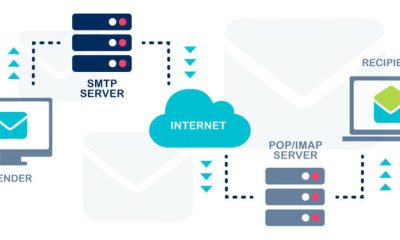

Understanding Common SMTP Errors and Their Impact on Email Campaign Performance
Email campaigns are an essential part of the digital marketing world, necessary for engagement with target audiences, conversion rates, and...


The Power of Digital Marketing for Business: A Guide to Maximizing Your Reach
Digital marketing has become an essential tool for modern businesses. It involves using the internet and online technologies to connect...


Car Hire vs Public Transport: Which Is Best for Touring Switzerland?
Switzerland is a land of breathtaking alpine landscapes, world-class ski resorts, pristine lakes, and vibrant cities like Zurich, Geneva, and...


Building trust in a rapidly evolving payments ecosystem
Digital payments have moved from convenience to critical infrastructure. For corporates, the priorities are clear: improve acceptance rates, keep fraud...






Online Oyun Zamanı: Başarı İçin Doğru Anı Yakalayın

Navigating the Essentials of Employment Contracts: What Every Employer Should Know

Zaidimų automatai internete: nuo klasikinių lošimų iki šiuolaikinių inovacijų

Why Trust and Tech Matter: The Twinsbet Approach to Online Gaming in Lithuania

Solitaire Freecell: Why This Version Stays Relevant Year After Year

Transform Your Lawn with Professional Artificial Turf Installation in San Diego
-
 Biography7 years ago
Jacqulyn Elizabeth Hanley is the Mother of Liza Soberano?
-
Biography7 years ago
Amanda Levy Mckeehan Biography, Family, Net Worth, Age, Affairs, Facts
-
Home6 years ago
Epson L3110 Driver Free Download Latest Updated Version
-
Games5 years ago
Best Free To Play MMORPG To Try This 2021
-
Biography7 years ago
Who is Rose Dorothy Dauriac? Scarlett Johansson Daughter?
-
Home7 years ago
Liza Soberano Biography, Age, Family and Boyfriends
-
Biography7 years ago
Jessica Ditzel Secret Information that Nobody Knows | Joe Rogan’s Wife
-
Biography7 years ago
What is the relation of Nathaniel Larry Osorno with Liza Soberano?