
Home Improvement
How To Change Your Duvet Covers for A More Seasonal Look


Your bedroom is the most sacred part of your home therefore, it would make sense if you made it as comfy as possible.
This is where you rest after a long day at work. A simple way of doing this is using duvet covers. These covers can change the look and comfort of your bed with the seasons without the need to change your comforter.
Plus, they are machine-washable and easily foldable. You sleep better when your beddings are updated and clean. That said, here are a few tips on how to refresh your beddings for a more seasonal look. You can also visit Get Bed Ready to learn more.
Winter
Winters can be very harsh, and when the temperatures go beyond zero, it calls for warm and cozy beddings. This is the season you need your bedding items to support you the most.
- Color: Dark colors are a perfect option for your bedroom during winter. Winter signals the end of summer and the beginning of a new year. As such, it is time to replace those bright and floral summer colors with darker shades like grey, emerald, green, stark black, holly berry red, and cobalt blue. Dark colors are known to absorb and retain more heat than brighter ones.
- Fabric: choose a thick cotton duvet cover to cover your heavy-weight comforter. Quilt and faux fur fillers may also be a good option for ultimate warmth and comfort. Duvet covers made of alpaca wool are also ideal for such harsh weather conditions. Since alpaca wool is hollow in the middle, it can hold more warmth than sheep wool. Click here for t shirt quilt company.
- Layers: Since the temperatures at this time are extremely low, adding extra layers of beddings to your bed might make sense. Choose wool, quilt or silk fitted duvet covers to help you stay snuggled all night.
Spring
As the weather starts warming up in spring, it’s time to get creative by changing the colors of your beddings for a fresher outlook
- Fabric: Keeping in mind that the evenings might still be quite chilly, a lightweight rayon or linen bedding fabric made from bamboo would be the perfect option. Rayon or linen duvet covers are highly absorbent and super comfortable. They give you the good kind of warmth; not so hot or too cold
- Layers: Since most evenings are windy and rainy in spring, you can consider slipping in a thin filler into your beddings. The extra layers provide a cozy spring setting instead of adding an extra throw blanket. Go for breathable and absorbent cotton layers or beddings made of linen and hemp fabric. Generally, cotton fillers provide better air circulation compared to synthetic ones, resulting in a cool and dry comforter.
- Color: Spring is the season to introduce various shades of soft colors to your bedroom. You can try out different shades of nature-themed patterns like floral, butterflies, or leaves. Choose shades of dewy blue, cream yellow or soft pink for your beddings. The theme here is to bid the old season goodbye and bring out a welcoming spring feel. Learn some tricks here https://www.housebeautiful.com/uk/decorate/bedroom/a2305/dress-bed-styling-tips/
Fall
Fall is marked by a steady decrease in temperatures. The days are shorter meaning less sunlight which is an indication that you should start warming up your bed.
- Fabric: Although fall is not as cold as winter, you still need sufficient layers of fabrics to keep your bed warmer at night.
- Color: Fall is a season to be creative. As the leaves fall, their color changes giving rise to a whole new experience. As such, decorate your bed with fall colors like olive green, orange, burgundy grey, and mustard. If you love patterned beddings, opt for checkered prints or solid colors. You want something that can complement the season and keep you cozy as well.
- Layers: This season is characterized by abnormal temperature fluctuation. Some nights are warm while others are too cold. As such, finding the appropriate bedding layers can be tricky. Still, it’s important to have sufficient layers and wool fitted duvet covers for comfort.
Summer
Summer is known to be the hottest season of the year. As spring comes to an end, the temperatures start rising to usher in a new season. Streamlined, lightweight beddings are ideal during this time of the year.
- Layers: Change to fewer layers of beddings on your bed during this season. Linen and cotton covers should be your primary bed coverings. If you find yourself sweating a lot in summers, say goodbye to heavy wool-fitted beddings. A lightweight cotton duvet cover will keep you cool and comfortable all summer since it is woven from natural fibers that are remarkably breathable. This is key for staying cool in the heat.
- Fabric: As mentioned, silk and organic cotton beddings are ideal for hot seasons. Organic cotton is breathable and machine washable. Silk, on the other hand, is a good heat regulator so you stay cooler for longer. Additionally, both fabrics are hypoallergenic and have a soft feel, so you sleep comfortably for a long. You can also use kapok or silk cotton as an alternative material. Kapok is thinner than cotton therefore it is more breathable for hotter nights.
- Colors: This is the right season to go bold on your decors. A bright bedspread reflects heat away during the day to ensure you stay nice and cool during the night. Choose sunny yellow, white, sky blue, or light green duvet covers. Click here to read more.
Conclusion
Changing your beddings often not only makes your room cozy but is also good for your health. However, choosing the right beddings for every season can be quite challenging. Fluffy and heavy beddings are ideal for the cooler months while the light ones are best for the warm seasons. The trick here is to learn how to balance the two. The color of your beddings also matters a lot. While it is important to consider your home décor before opting for a particular color pallet, you should know there is a color for every season.

In almost every category of property emergency, there’s a direct, measurable relationship between how quickly a response begins and how much total damage ultimately results. A fire contained in its first minute causes a fraction of the damage the same fire causes after ten minutes of unchecked spread. A leak stopped immediately causes a fraction of the damage the same leak causes after an hour of continued flow. This relationship between speed and outcome is one of the most consistent patterns across property emergencies, and it’s exactly why having something like a Sprinkler Stopper Tool immediately accessible matters so significantly when every additional minute directly translates into additional damage.
Damage Accumulates on a Curve, Not a Straight Line
Property damage during an active emergency doesn’t accumulate at a steady, predictable rate , it tends to accelerate the longer a problem goes unaddressed. Water spreads to more areas the longer it flows, often reaching spaces that weren’t initially affected. Fire spreads to more material the longer it burns, growing from a contained, manageable situation into something considerably more severe. This accelerating pattern means that the first few minutes of response time carry disproportionate weight in determining total outcome, since delays early in an incident allow the problem to reach a scale that becomes considerably harder to contain even with an otherwise adequate response.
Understanding this accelerating curve helps explain why response time deserves such serious attention in emergency preparedness, rather than being treated as a secondary consideration behind other planning elements.
The First Few Minutes Are Disproportionately Important
Emergency response research and experience consistently point to the same conclusion: the earliest moments of an incident have an outsized effect on the ultimate outcome, compared to response actions taken later once a situation has already progressed. This is true whether the emergency involves fire, water, or another type of incident , early intervention, even if imperfect, tends to produce dramatically better outcomes than a delayed response, even one that’s eventually well-executed.
This front-loaded importance of early response time is exactly why preparedness efforts should focus heavily on minimizing the time between an incident starting and an effective response beginning, rather than assuming that a strong eventual response compensates adequately for a slow start.
Locating Equipment Quickly Is Often the Real Bottleneck
In many property emergencies, the limiting factor isn’t a lack of appropriate equipment or knowledge , it’s simply the time lost locating and retrieving the right tool once an incident has already begun. Equipment stored in an inconvenient location, buried behind other items, or simply unfamiliar to whoever discovers the emergency all create delays that have nothing to do with technical capability and everything to do with basic accessibility and preparation.
Addressing this bottleneck directly, by ensuring critical response equipment is stored in obvious, consistent, easily accessible locations, removes one of the most common and avoidable sources of delayed emergency response.
Familiarity With Equipment Speeds Up Actual Use
Even when equipment is physically accessible, unfamiliarity with how to use it correctly can introduce meaningful delay during an actual emergency. Fumbling with unfamiliar equipment, reading instructions for the first time during a high-stress situation, or hesitating due to uncertainty all cost valuable time exactly when speed matters most. Regular familiarity with emergency equipment, built through periodic review or practice rather than assumed competence, ensures that when an actual emergency occurs, using the equipment correctly happens quickly rather than being slowed by unfamiliarity.
Multiple Response Points Reduce Overall Response Time
For larger properties, having emergency equipment available at multiple locations, rather than a single central point, meaningfully reduces the time between an incident occurring and an effective response beginning. A property relying on a single storage point for critical equipment creates unnecessary delay for incidents occurring far from that location, while distributed equipment placement ensures a faster response regardless of where within a property an incident actually occurs.
This kind of distributed preparedness reflects a genuine understanding of how response time actually gets determined in practice , not just whether the right equipment exists somewhere on a property, but how quickly it can realistically be reached from wherever an incident happens to occur.
Response Time Directly Affects Total Cost and Disruption
The financial and operational consequences of a property emergency scale directly with how much damage accumulates before an effective response begins. Faster response times translate directly into less total damage, which translates into lower repair costs, shorter disruption to normal operations, and reduced impact on tenants, customers, or building occupants. This direct relationship between response speed and total cost is one of the clearest, most measurable justifications for prioritizing response time in emergency preparedness planning.
The Bottom Line
Response time is one of the single most important factors determining how a property emergency ultimately plays out, given how quickly damage tends to accelerate once an incident begins. Ensuring critical response equipment is genuinely accessible, familiar to those who might need it, and available at multiple points throughout larger properties all directly contribute to minimizing this critical response window. For any property owner serious about limiting the impact of potential emergencies, treating response time as a central planning priority , not an afterthought , is one of the most effective ways to protect both the property and the people within it.
Read More: Luca Oriel
Home Improvement
The Art of Modern Food Storage: Mastering Kitchen Organization and Ingredient Freshness
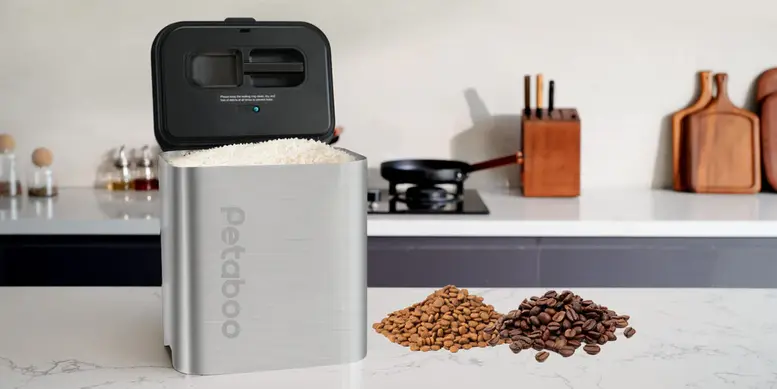
Maintaining an organized and efficient kitchen is one of the most rewarding home habits a person can build. Food storage goes far beyond simply placing groceries onto open shelves or sliding produce into refrigerator drawers without a plan. Proper preservation methods protect the nutritional value, flavor profiles, and physical textures of your favorite ingredients, ensuring that meal preparation remains a joyful and stress-free experience. When ingredients are stored intentionally, households significantly reduce unnecessary food waste, save valuable time during busy weekdays, and cultivate a cleaner, more harmonious living environment.
Understanding how different ingredients react to ambient temperatures, air exposure, light, and atmospheric humidity allows home cooks to create tailored storage routines for every item in the pantry and refrigerator. Transitioning toward a well-managed storage system does not require complete kitchen overhauls or overly complex systems; rather, it relies on applying foundational preservation principles and adopting practical daily habits. By paying close attention to environmental conditions and selecting appropriate storage vessels, you can transform your kitchen into an efficient, beautiful culinary sanctuary that keeps ingredients at peak quality.
The Foundations of Efficient Kitchen Food Storage
Understanding the Pillars of Ingredient Preservation
Every food item in your kitchen begins to degrade from the moment it is harvested or processed, primarily due to exposure to oxygen, ambient humidity, temperature fluctuations, and direct light. Oxygen causes fatty acids in nuts and seeds to turn rancid, while moisture turns crisp goods soggy and encourages mold spores to thrive in warm, dark corners. Sunlight can strip spices of their delicate aromas and break down vitamins in oils stored on open countertops. Recognizing these environmental forces empowers you to design storage environments that act as natural shields, effectively slowing down natural degradation and keeping ingredients fresher for considerably longer periods.
Assessing Your Kitchen Space and Daily Cooking Habits
Before introducing new storage containers or reorganizing your cupboards, it is essential to analyze the unique physical layout and daily workflow of your cooking area. Take note of which zones receive direct heat from ovens or stovetops, as well as areas near windows exposed to bright afternoon sunlight. Observe how often your household uses core staples versus specialty ingredients, ensuring that high-rotation items remain effortlessly accessible. Designing a custom storage framework based on your realistic daily routines prevents clutter from forming, streamlines grocery unpacking, and makes maintaining long-term pantry order an effortless part of your lifestyle.
Strategic Storage Tactics for Dry Pantry Ingredients
Combating Environmental Factors That Threaten Dry Goods
Pantry staples such as grains, flours, dried beans, pasta, and whole spices appear resilient on the surface, but they remain highly vulnerable to subtle shifts in air quality and humidity. Unopened cardboard boxes and thin original plastic bags offer minimal protection against moisture absorption or ambient kitchen odors that seep into unsealed cupboards. Over time, humidity causes fine powders to clump together into solid blocks and compromises the delicate crunch of whole grains and crackers. Shielding your dry inventory from ambient air and elevated temperatures ensures that pantry staples maintain their original flavor, aroma, and structural integrity throughout their shelf life.
Implementing Proper Decanting and Container Selection
Transferring dry goods from commercial packaging into dedicated, impermeable containers is a foundational strategy for long-term pantry organization and protection. Transparent glass jars and high-grade BPA-free plastic vessels with reliable seals create impenetrable barriers against airborne moisture, dust, and lingering kitchen aromas. Decanting ingredients allows you to assess remaining inventory at a single glance, eliminating the frustration of accidentally buying duplicates or running out of essential items during cooking. Furthermore, uniform containers maximize cupboard space by stacking neatly, instantly turning chaotic, mismatched pantry shelves into a visually serene and highly functional workspace.
Optimizing Cold Storage for Perishables and Produce
Refrigeration Practices That Prevent Unnecessary Food Waste
The refrigerator is a critical appliance for food preservation, yet improper organization can inadvertently accelerate spoilage and lead to forgotten produce hiding in lower drawers. Refrigerators possess natural microclimates, with top shelves maintaining steady temperatures ideal for prepared foods, while lower compartments provide the colder conditions required for raw proteins. Humidity-controlled crisper drawers should be adjusted based on the specific needs of your produce, keeping high-humidity settings for leafy greens and lower humidity settings for ethylene-producing fruits. Leaving adequate breathing space between items allows cold air to circulate freely, preventing localized warm spots and premature spoilage.
Advanced Freezing Techniques for Long-Term Freshness
Freezing is one of the most effective methods for locking in peak nutritional value and extending the lifespan of fresh produce, herbs, and pre-cooked meals. To achieve optimal results, food items must be prepped correctly by washing, thoroughly drying, and cutting them into uniform, cook-ready portions prior to freezing. Flash-freezing individual produce pieces on a flat tray before transferring them into airtight freezer bags stops ingredients from fusing into a solid mass. Removing as much air as possible from freezer packaging prevents freezer burn, preserving the vibrant color, delicate texture, and natural flavor of frozen items until you are ready to enjoy them.
Modern Innovations in Food Preservation Technology
Integrating Smart Airtight Systems into Daily Routines
In recent years, kitchen preservation technology has advanced beyond basic snap-lid containers to offer sophisticated sealing methods designed for sensitive pantry items. Advanced container designs utilize high-grade silicone gaskets and multi-point locking latches to create tight seals that actively resist humidity changes in the home environment. Utilizing standardized, high-performance container systems makes it effortless to store delicate items like artisanal teas, roasted coffee, and dried seaweeds without fear of ambient moisture compromise. These modern storage solutions combine practical utility with clean aesthetic designs, elevating the overall visual appeal of your open kitchen shelves and cabinets.
Enhancing Pantry Longevity with Automated Solutions
For items that are particularly sensitive to oxidation, such as whole coffee beans, raw nuts, and fine specialty grains, active air evacuation provides an extra tier of long-term protection. Integrating an自動真空保存ケース into your daily routine helps eliminate trapped air with minimal effort, maintaining optimal low-pressure conditions that slow down ingredient degradation far better than passive airtight seals can achieve on their own. This hands-free approach continuously protects high-value ingredients from staling, ensuring that every morning coffee or home-baked treat delivers maximum aroma, rich flavor, and uncompromising freshness every time.
Cultivating Sustainable Kitchen Habits for the Long Term
Establishing Weekly Pantry Audits and System Maintenance
Building a sustainable kitchen organization routine relies on consistent, low-effort maintenance rather than occasional, overwhelming cleanouts. Dedicating just ten minutes each week to auditing your refrigerator shelves, inspecting cupboard corners, and wiping down food prep surfaces prevents minor spills from creating persistent sticky spots. Rotating older inventory toward the front of shelves ensures that opened packages are consumed before newly purchased groceries are opened. These brief weekly check-ins keep your storage systems working efficiently, help you monitor ingredient freshness, and ensure your kitchen remains clean, functional, and organized month after month.
The Mindful Culinary Experience of an Organized Kitchen
An intentionally organized kitchen transforms cooking from a chore into a calming, creative activity that fosters wellness and mindfulness at home. When every ingredient has a designated, protected location, preparing daily meals becomes an effortless process where finding items and cleaning up take minimal time. Knowing that your food supply is safely stored and thoroughly protected against spoilage brings a rewarding sense of comfort and satisfaction to home living. Embracing smart storage habits ultimately enhances your relationship with food, nurtures sustainable household practices, and allows you to enjoy freshly prepared meals with absolute peace of mind.
Read More: jennie pegouskie ethnicity
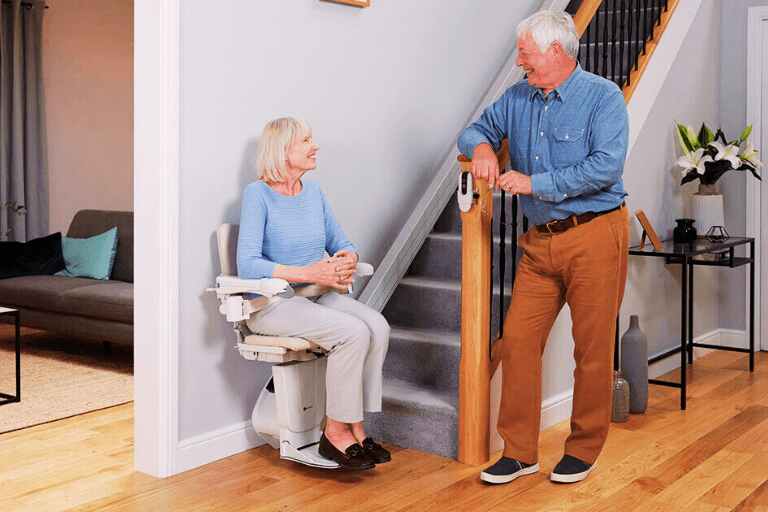
Stairlifts are a practical adaptation designed to support people who experience difficulty using stairs within their own homes. They are most commonly associated with older adults, but they are also used by individuals with mobility impairments, balance issues, joint pain, or long term health conditions. Rather than changing home layouts entirely, a stairlift allows continued access to all floors of a property while maintaining independence and safety.
Why Stairs Become a Challenge
Stairs can present a gradual or sudden barrier. Reduced strength, limited flexibility, impaired balance, or recovery from surgery can all make climbing stairs difficult or unsafe. In many homes, key living spaces such as bedrooms and bathrooms are located upstairs, meaning that restricted stair access can significantly affect day to day living. Stairlifts aim to reduce this risk by providing a stable seated platform that moves smoothly between floors.
How Stairlifts Work
A stairlift typically consists of a motorised chair or platform attached to a rail fixed along the staircase. The user sits on the chair, secures a seatbelt, and operates the lift using simple controls, often mounted on the armrest. The chair then travels along the rail at a controlled speed. Most modern stairlifts include safety features such as obstruction sensors, swivel seats at the top of the stairs, and soft start and stop mechanisms to improve comfort and stability.
Types of Stairlifts Available
There are several types of stairlifts designed to suit different home layouts and user needs. Straight stairlifts are used on staircases without bends or landings, while curved stairlifts are custom fitted to follow more complex staircases. Some homes may require outdoor stairlifts for access to entrances or gardens. There are also standing or perching stairlifts for users who find sitting difficult, although seated models are more common.
Considerations Before Installing a Stairlift
Before installing a stairlift, several practical considerations should be reviewed. Staircase width is important, as the lift must allow safe passage for other users when not in use. Power supply requirements, potential building regulations, and future mobility needs should also be assessed. Many people choose to plan ahead, installing a stairlift before mobility becomes severely limited, which can make the transition easier and less disruptive.
Impact on Daily Living
The presence of a stairlift can significantly change how a home is used. It may reduce the need to relocate bedrooms or bathrooms to the ground floor and can support continued independence. For some households, it also reduces reliance on carers or family members for assistance with stairs. While a stairlift does not address all mobility challenges, it often plays a role in enabling people to remain in their own homes for longer.
Maintenance and Ongoing Use
Stairlifts require routine maintenance to ensure safe operation. This typically includes battery checks, rail inspection, and general servicing. Users are usually advised to keep the rail clear and to report any unusual noises or changes in movement. With proper care, stairlifts are designed for long term use and can adapt to gradual changes in mobility needs.
Stairlifts in a Local Context
The need for home adaptations continues to grow as more people aim to remain living independently. In urban areas with varied housing styles, staircases can differ widely in shape and size, which influences stairlift design and installation. For households considering options later in life, understanding how stairlifts fit into local housing stock is an important part of planning. This applies equally to those researching stairlifts Birmingham as part of broader discussions around ageing, accessibility, and home safety.
Read More: jacqulyn elizabeth hanley


Why Your Videos Sound Amateur and How to Fix the Most Common Audio Problems
You can record a video with a high-quality camera, use attractive lighting, and spend hours editing the footage. But if...


Why Response Time Matters During Property Emergencies
In almost every category of property emergency, there’s a direct, measurable relationship between how quickly a response begins and how...


Best Image-to-Video Tools for a Trade Show Product Still
The photograph on the booth wall is already finished. A clip made from it is a new shot, for a...


Ranking sports to bet on from easiest to hardest
Anyone who already spends weekends watching football has a head start before opening a sportsbook. You know what a corner...


5 Ways Moving and Storage Can Transform Your Relocation Experience
Key Takeaways Professional moving and storage services can reduce the stress and physical demands associated with relocation. Expert movers use...


Revitalize Your Energy from the Couch: The Complete Guide to NAD+ IV Drips at Home
This comprehensive guide explores how receiving an IV drip at home can help restore vital energy and optimize long-term health....


How to Shop Leister ST Tools for Plastic Fabrication
Professionals who shop Leister ST tools are looking for dependable hot-air equipment for plastic fabrication, repair and maintenance tasks. Leister’s...


Simplifying Your Auto Transport Process: A Complete Auto Shipping Guide for Stress-Free Vehicle Transport
Introduction Shipping a vehicle for the first time can feel like navigating a maze of logistics, terminology, and unfamiliar choices....


Mobile Gambling vs the Full Desktop Casino Experience
Online casino games are no longer tied to one kind of screen. Some players prefer opening a full casino site...


The 10 Best AI Image to Video Generators of 2026
Transforming static visual assets into high quality video motion is no longer a complex task reserved for specialized visual effects...






Wardrobe Hangover: Why You Keep Buying Clothes You Don’t Wear

The Outfit That Speaks for Itself: Zach Bryan Merch, Parke, and Rolex Replica Every Day

Men’s Streetwear Denim Guide 2026: How Amiri and Mixedemotions Get Premium Jeans Right

Why Some Online Casino Games Feel Easier to Return To

When Access Becomes Instant Patience Becomes Optional: Z library

Assessing the Chances of South Africa at the World Cup
-
 Biography8 years ago
Jacqulyn Elizabeth Hanley is the Mother of Liza Soberano?
-
Biography8 years ago
Amanda Levy Mckeehan Biography, Family, Net Worth, Age, Affairs, Facts
-
Home7 years ago
Epson L3110 Driver Free Download Latest Updated Version
-
Biography8 years ago
Who is Rose Dorothy Dauriac? Scarlett Johansson Daughter?
-
Games5 years ago
Best Free To Play MMORPG To Try This 2021
-
Home8 years ago
Liza Soberano Biography, Age, Family and Boyfriends
-
Biography7 years ago
Jessica Ditzel Secret Information that Nobody Knows | Joe Rogan’s Wife
-
Biography8 years ago
What is the relation of Nathaniel Larry Osorno with Liza Soberano?