Business
Relative Gain of Playing Rummy: On Your Mobile Device

Online rummy has become very popular all around the world. The popularity of online rummy has been rising. The thrill of making a significant profit when playing online rummy cannot be measured in terms of money.
Mobile gaming platforms have evolved in a similar fashion to how smartphones have. Players may now take their favourite games with them wherever they go thanks to the almost universal availability of mobile apps that can be downloaded and utilised offline on gaming websites. If you like playing rummy, having the programme on your mobile device may provide a number of advantages. They are free to indulge in their preferred interest whenever they choose, day or night.
Here are a few more reasons to use your mobile device to play the best rummy cash game.
Break the routine and treat yourself.
No matter where you are—on a bus, rail, or in your own car—noise is always there. You have fast access to a rummy game thanks to the internet and the rummy app on your smartphone. It’s possible to play this game for hours on end without becoming bored.
The best way to develop in your work is to acquire new skills.
You’re more likely to remain with a game if you can play it on the move. If you play this game more often, you could do better. Rummy may still be played in its traditional form even if you have an app for it on your phone. If you put enough time into practising, you’ll soon be leagues ahead of the competition.
Participation in orientation programmes is possible.
To entice new consumers, several online rummy providers offer prizes or freebies. Consider a moment when you received payment for consistently engaging in something you like, such as playing video games. The outcome benefits all parties involved.
Make a point of attending each and every game.
We’ve planned a huge rummy event to keep you busy since you can’t use your computer. The tough resort to mobile phone contests when times are difficult. Simply registering using the smartphone app makes it simple to start the tournament.
- You are free to utilise any of the features at any time.
Touch screens are often seen in recently introduced smartphones, making it easy to play games while on the go. You may just utilise the app to access all the features you need rather than stumbling through a perplexing website. With only one click, you may launch your chosen game right now.
The idea of being able to bring your favourite game with you everywhere you go is a fantastic one now that downloading an app is so simple. You can play rummy anytime and anywhere you want if you have a computer and an internet connection. If the power goes out or your internet connection is lost, you can’t play rummy on your computer or laptop. But if you ever find yourself in a pickle, your smartphone could come to your rescue. Get straight into the action by using your mobile data connection. Desktop and laptop computers have been replaced in the home by smartphones, particularly those on the more affordable end of the market. This suggests that if PC users wish to play, they may be out of luck. You may have no other choice than to play the game in this situation if you have a cheap smartphone.

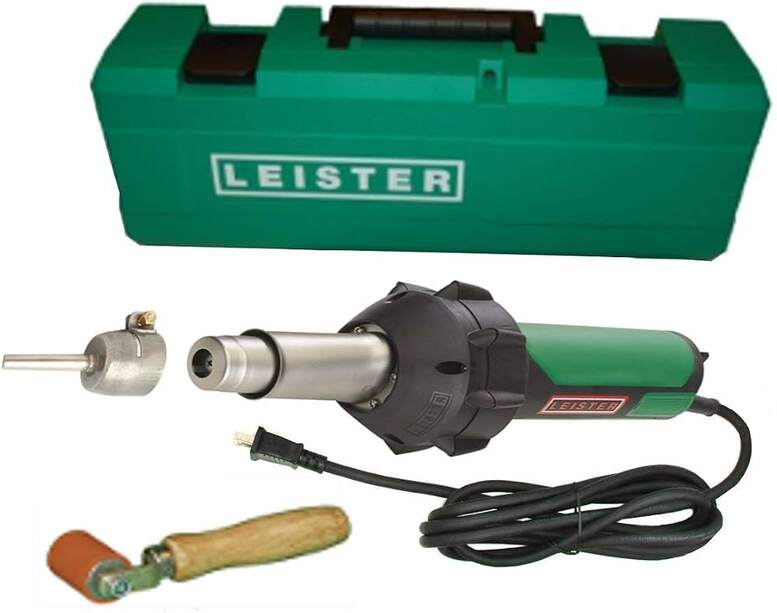
Professionals who shop Leister ST tools are looking for dependable hot-air equipment for plastic fabrication, repair and maintenance tasks. Leister’s ST range includes hand tools designed for controlled heating and welding, with models such as the TRIAC ST and ELECTRON ST supporting power and handling requirements. Choosing equipment around the job can improve efficiency and consistency.
When you Shop leister st equipment for an Australian workshop or site, consider the material being processed, required airflow, operating temperature and working time. Plastral distributes Leister plastic-welding equipment in Australia and offers tools for fabrication, roofing, flooring, geomembranes and other industrial applications. Comparing tool capabilities before purchase helps avoid selecting equipment that is unnecessarily powerful or unsuitable for detailed work.
Why Shop Leister ST Equipment for Fabrication Work?
Hand-held hot-air tools are useful where operators need direct control over the welding area. The TRIAC ST is designed for welding and plastic fabrication and weighs less than one kilogram, supporting balanced handling during detailed jobs. The more powerful ELECTRON ST is rated up to 3400 W and is intended for demanding heating and fabrication work.
Choose a Tool for the Application
Not every task requires the same output. Smaller repair jobs, detailed plastic fabrication and controlled hand welding may benefit from a lighter tool, while applications requiring greater heat output may call for a higher-powered model. Check voltage, power, compatible nozzles and temperature requirements before making a selection.
Consider Ergonomics for Regular Use
Tool weight, grip and balance become important when equipment is used repeatedly during a working day. A well-balanced hand tool can be easier to position around joints, corners and restricted spaces. Operators should also consider cable management, access to air filters and how easily accessories can be changed during routine work.
Use Compatible Accessories and Settings
Nozzles, welding rods and other accessories should suit both the tool and the thermoplastic being processed. Correct temperature and airflow settings vary between materials and applications. Trial welds can help establish suitable parameters before starting production or repair work on the finished component.
Maintain Equipment for Reliable Performance
Inspection and cleaning can help keep hot-air tools operating consistently. Air filters should be kept clear, while heating elements, nozzles and cables should be checked for wear according to manufacturer guidance.
Summary
Selecting professional hot-air equipment starts with understanding the material, task and working environment. Australian fabricators comparing Leister tools can review available equipment through Plastral and contact Plastral for guidance on suitable models, accessories and application requirements.
Read More: sambo teikover
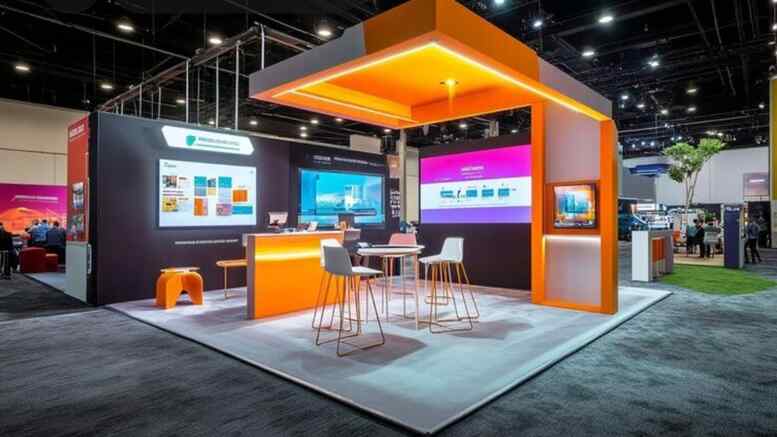
As businesses look to reach prospects in new, interesting, and memorable ways, trade shows are evolving too. Exhibit spaces are no longer just places to display products; they are dynamic, creative, and technologically integrated brand experiences, with strategic stories. With an increasing need for companies to grab the attention of attendees, they turn to creative booths that can engage and retain the audience’s attention for a longer period. This evolution is evident in the modern, custom-made exhibition stands, which are increasingly designed to be flexible, interactive, sustainable, and visually captivating. The modern custom trade show exhibition stands are a testament to this transformation, with more flexible layouts, interactive technologies, sustainable materials, and visually engaging architecture that creates memorable experiences for visitors. Today’s exhibition booths can be rented for any occasion or custom-made for regular use; they can help boost engagement and help run events. Being aware of the latest design trends helps businesses design an exhibit space that resonates with the expectations of visitors and is visually striking and relevant to the current times.
5 Trade Show Exhibit Trends Defining 2026
- Immersive Brand Experiences Are Replacing Static Displays
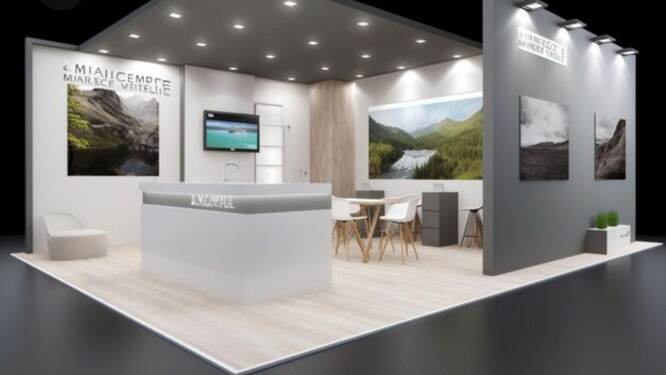
Leading trade show exhibit companies are increasingly designing booths that encourage visitors to participate rather than simply observe. Modern exhibits do not use banners, brochures, and shelves of products, but they are more about an interactive environment, which tells a compelling brand story.
Experiential design can be manifested in the form of live demonstrations, touch screen displays, immersive lighting, multimedia presentations, and product experiences that seek active participation. These hands-on props enable visitors to spend a longer time engaging with the exhibit and strengthen their emotional engagement with the brand.
With more discerning audiences looking at how their time is spent, immersive environments are the best way to capture the attention of your visitors and make a lasting impression, even after the event.
- Modular Booth Designs Offer Greater Flexibility
Flexible exhibits are one of the most chosen exhibit styles among event planners and marketers. Businesses often receive requests to attend a wide variety of events, each with its own specifications, themes, size, and crowd. The events businesses are required to attend are often quite large, have varied crowd sizes and space requirements, and are adaptable; booth systems are becoming more popular.
Modular exhibit designs allow companies to reconfigure layouts for different floor plans without investing in entirely new structures for every event. Individual components can be expanded, rearranged, or simplified depending on available space and exhibition objectives.
This flexibility allows for efficient use of space and facilities and ensures a uniform appearance at various trade shows, while also providing for effective long-term cost management.
- Sustainable Materials Are Becoming Standard
A commitment to the environment remains a key consideration in exhibition design across the industry. Today, sustainable materials are no longer viewed as a nice-to-have but rather as a design priority in the modern trade show environment.
Aluminum frames can be recycled, fabric graphics are reusable, responsibly sourced wood is used, energy-efficient LED lighting is used, and the system is constructed in a modular way, helping to minimize environmental impact while meeting professional presentation standards.
Sustainable exhibit solutions also enable reusability from event to event, resulting in a longer life cycle for the exhibit and less waste from temporary installations. This is the right thing to do in terms of resource management and their long-term value.
- Technology Integration Creates Smarter Exhibits
Digital innovation remains one of the strongest forces shaping exhibition design in 2026. Modern booths are no longer just visual displays but often include technology to enhance the visitors’ experience, making it more personalized and engaging.
All these features add to more dynamic booth environments with interactive touch screens, QR code engagement, virtual product demonstrations, augmented reality experiences, digital product catalogs, and intelligent lead capture systems. These technologies enhance the usability of information and make it possible for exhibitors to collect valuable engagement data.
In addition, technology helps simplify post-event follow-up by capturing visitors’ interactions and improving relationship management after the exhibition ends.
- Open Layouts Encourage Better Visitor Flow
The design of the booths evolves from closed structures to open spaces, with a focus on welcoming and creating room for exploration. Exhibits that seem accessible and easy to navigate will be more likely to be entered by visitors.
Open floor plans make it easy to see and move around, making them good for product demos, chatting, and networking. Strategically placed exhibits, seating arrangements, and clear access to the exhibits minimize crowding and ease the flow of visitors around the exhibit.
These designs foster a more comfortable environment for productive discussion and enable maximum lead generation and customer interaction.
End Point
Overall, trade show exhibit design in 2026 is characterized by innovation, flexibility, and eco-friendliness, and by the ability to tell a captivating story. Today, the exhibition stand has undergone a paradigm shift in design and use, with modern stands becoming interactive, modular, eco-friendly, technologically integrated, and audience-friendly. With ever-changing expectations in the world of exhibitions, it is important that a company’s exhibit is thoughtfully designed to improve brand visibility, create memorable experiences, and build lasting business relationships.
Read More: Liza Soberano

The decision to become a foster carer is often driven by a profound desire to provide a stable, loving environment for children who have experienced significant upheaval. However, as the fostering landscape evolves, many carers find that their own needs for support and professional development are not being fully met by their current provider. This realisation often leads to a complex crossroads where carers must balance their loyalty to the children in their care with the necessity of finding a service that aligns more closely with their values and requirements.
The Catalyst for Change in Fostering Placements
For most individuals in the fostering community, the primary motivation for considering a move is the quality of support on offer. Fostering is an immensely rewarding path, yet it is also one that carries unique pressures. When a supervising social worker is overstretched or the out of hours support feels disconnected from the carer’s reality, the sense of isolation can become overwhelming.
Recent data suggests that the retention of foster carers is one of the most significant challenges facing the sector today. When carers feel undervalued or unsupported, the ripple effect reaches the children in their care. A transition is rarely a snap decision. It is usually the result of a long period of reflection regarding whether a different agency could offer better training, more competitive allowances, or a more therapeutic approach to care.
The Legal Framework and the Protocol for Movement
One of the most common misconceptions within the sector is that moving to a new agency is a legally fraught or impossible task. In reality, the Transfer of Foster Carers Protocol 2014, developed by The Fostering Network, provides a clear framework to ensure that transitions are handled professionally and, most importantly, with the child’s best interests at the centre of every discussion.
This protocol ensures that when a carer expresses an interest in moving, a collaborative process begins between the current agency, the local authority, and the potential new provider. This is designed to prevent any disruption to the child’s placement. The stability of the child is the paramount consideration, and any move is managed with a high degree of transparency to ensure that the transition is seamless.
Understanding the Process of Moving Providers
The physical act of moving requires a degree of administrative diligence. It typically begins with an informal conversation with a prospective new agency to gauge their culture and the specific support packages they provide. Once a carer decides to proceed, they must submit a formal notice of their intention to transfer to their current agency.
Following this, the new agency will undertake a new assessment, often referred to as a Form F assessment. While this might seem repetitive for experienced carers, it is a statutory requirement to ensure that all records are up to date and that the new agency fully understands the skills and history of the fostering household. During this time, meetings are held to discuss the financial arrangements and support plans for any children currently in placement.
Minimising Disruption for Children in Care
The most sensitive aspect of this journey is the impact on the children. It is a common fear among carers that moving agencies might result in a child being moved from their home. However, the Transfer of Foster Carers Protocol is specifically designed to protect these placements. In the vast majority of cases, the child remains exactly where they are while the behind the scenes administrative responsibility shifts from one organisation to another.
Maintaining a sense of normalcy for the child is vital. Professional agencies work hard to ensure that the child experiences no change in their day to day life. The only difference they might notice is a new face during supervision visits or access to different community events and support groups provided by the new agency.
Why Researching Your New Agency is Crucial
Not all fostering organisations are created equal. Some operate as large national entities, while others are smaller, independent agencies that pride themselves on a family feel and bespoke support. When looking at transferring between foster agencies, it is essential to look beyond the initial financial allowance.
Prospective transferrers should investigate the ratio of social workers to carers, the frequency of local support groups, and the specific therapeutic models the agency employs. According to the team at Match Foster Care, who are recognised for their child centred approach, a successful transfer is one where the carer feels empowered and re-energised to continue their vital work. Finding a provider that treats carers as professional partners rather than just a resource is often the turning point for many fostering families.
The Role of Professional Development and Support
A significant reason for seeking a new agency is the desire for better professional growth. Fostering is an evolving profession, and the needs of children are becoming increasingly complex. Carers often seek out agencies that offer advanced training in areas such as trauma informed care, attachment theory, and therapeutic parenting.
Furthermore, the quality of the peer network cannot be understated. Being part of a community where you can share experiences with other foster carers who understand the local context is invaluable. When an agency invests in its carers through comprehensive training and a robust support network, it directly translates to better outcomes for the children.
Final Reflections on Making the Move
Transitioning to a new fostering provider is a significant life event that requires careful thought and planning. It is a process rooted in the desire to provide the best possible care by ensuring that the carer themselves is adequately supported. By following the established protocols and choosing an agency that mirrors your own dedication to child welfare, the transition can be a positive step toward a more sustainable and fulfilling fostering career.
Read More: Luca Oriel


Revitalize Your Energy from the Couch: The Complete Guide to NAD+ IV Drips at Home
This comprehensive guide explores how receiving an IV drip at home can help restore vital energy and optimize long-term health....
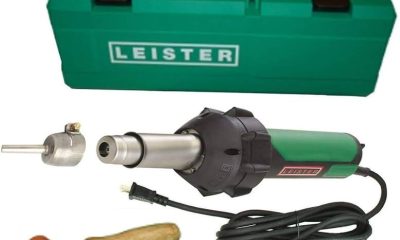

How to Shop Leister ST Tools for Plastic Fabrication
Professionals who shop Leister ST tools are looking for dependable hot-air equipment for plastic fabrication, repair and maintenance tasks. Leister’s...


Simplifying Your Auto Transport Process: A Complete Auto Shipping Guide for Stress-Free Vehicle Transport
Introduction Shipping a vehicle for the first time can feel like navigating a maze of logistics, terminology, and unfamiliar choices....


Mobile Gambling vs the Full Desktop Casino Experience
Online casino games are no longer tied to one kind of screen. Some players prefer opening a full casino site...


The 10 Best AI Image to Video Generators of 2026
Transforming static visual assets into high quality video motion is no longer a complex task reserved for specialized visual effects...


The Art of Modern Food Storage: Mastering Kitchen Organization and Ingredient Freshness
Maintaining an organized and efficient kitchen is one of the most rewarding home habits a person can build. Food storage...


Why Low-Profile Folding Chairs Are the Ultimate Road Trip Hack
Imagine driving for three hours along a winding coastal highway. The sun is starting to dip, and you spot a...


Design Meets Innovation: The Hottest Trends in Custom Trade Show Exhibits for 2026
As businesses look to reach prospects in new, interesting, and memorable ways, trade shows are evolving too. Exhibit spaces are...


Wardrobe Hangover: Why You Keep Buying Clothes You Don’t Wear
The Quiet Shame Hanging in Your Closet Open your wardrobe right now. Look at it honestly. How many pieces in...


The Outfit That Speaks for Itself: Zach Bryan Merch, Parke, and Rolex Replica Every Day
Getting Dressed Should Feel Like a Decision, Not a Default Every morning, you choose what to wear, even when it...






Assessing the Chances of South Africa at the World Cup

Designs that Support Longevity in Online Gambling Platforms

Custom Tent Buying Guide: Key Features to Look for in a Durable Branded Display

Why Stability Matters: Navigating the Choice to Move Fostering Agencies

Understanding Stairlifts in the Home

Do Infants Sleep More When Teething? Understanding Sleep Patterns During Teething
-
 Biography7 years ago
Jacqulyn Elizabeth Hanley is the Mother of Liza Soberano?
-
Biography7 years ago
Amanda Levy Mckeehan Biography, Family, Net Worth, Age, Affairs, Facts
-
Home7 years ago
Epson L3110 Driver Free Download Latest Updated Version
-
Games5 years ago
Best Free To Play MMORPG To Try This 2021
-
Biography7 years ago
Who is Rose Dorothy Dauriac? Scarlett Johansson Daughter?
-
Home8 years ago
Liza Soberano Biography, Age, Family and Boyfriends
-
Biography7 years ago
Jessica Ditzel Secret Information that Nobody Knows | Joe Rogan’s Wife
-
Biography8 years ago
What is the relation of Nathaniel Larry Osorno with Liza Soberano?