
Health
Nootropics 101: The Ultimate Guide to Focus Supplements


It’s a scary fact but people today are struggling to remain focused more than ever before.
Despite the benefits of mobile gadgets and social media, these technologies have obviously created a lifestyle that makes it hard for us to concentrate on one thing. Still, being successful in academics and in the professional world requires you to be as mentally sharp and focused as ever.
This is why more and more people are looking into Brain Supplements known as nootropics or smart drugs to enhance their mental agility.
What are Nootropics?
Nootropics go by many interchangeable names such as cognitive enhancers, smart drugs, focus drugs etc but basically they are natural or synthetic chemical substances that enhance the brain’s cognitive abilities such as focus, memory and motivation.
Most people think of them only as mental focus supplements but they have many other uses. The term means ‘affecting the brain’ and was coined in 1972 by the chemist who discovered Piracetam, the first synethetic focus drug. These synthesized smart drugs are a pretty recent development but practitioners of ancient eastern medicine such as Ayurveda have been harnessing the natural brain enhancing properties of herbs for thousands of years to increase cognitive abilities.
Many people first heard of these drugs from the movie ‘Limitless’ and therefore believe that nootropics can transform you into a genius of some sort. Some hopeful students seem to think of them as some magical study aid supplements that eliminate the need for going to class and studying. Unfortunately that isn’t how they work.
They don’t actually make you “smarter” per se, they just increase your mental sharpness which produces effects that we equate with being smarter such as better memory, verbal proficiency, and intensity of focus.
Think of the brain as a muscle. Taking these supplements doesn’t build more muscle, it just allows you to generate more power from the muscles you already have.
Do Nootropics Really Work?
Deciding which nootropics you take will depend on what your goals are and what cognitive function you want to improve. Here are some of the main uses:
Focus
There is a huge demand for any medication to help focus. People are distracted and they want the ability to concentrate intensely on a project at work or to study for a big test. Luckily there are many vitamins for concentration made with natural ingredients which are excellent for enhancing concentration. Certain ones have stimulatory properties which keep you alert and awake. Many people using them as a brain fog treatment report a feeling of mental clarity which is key to improving productivity.
Memory
Increasing memory is another huge benefit. Many of these focus medicines were originally developed for the treatment of degenerative cognitive conditions such as Alzheimer’s, Dementia and Parkinsons which affect the memory.
Mood
Many of these compounds have properties that reduce anxiety which leads to an improvement in mood. Low anxiety and a good mood combined with other cognitive benefits such as longer attention span will lead to better performance in almost any task.
Motivation
Many people assume there is no such thing as motivation pills but some of these compounds are known to affect neurotransmitters such as dopamine and serotonin which can help with things like productivity, drive and motivation.
Read More: Best Brain Supplements in 2023
How Do Nootropics Work?
These supplements work by enhancing the function of certain neurotransmitters in your brain which are responsible for different cognitive functions.
The human brain is made of millions of connected networks of neurons which communicate information via chemicals called neurotransmitters. When you take nootropics you are increasing the amount of these chemicals in the brain. Depending on which neurotransmitters you alter, you will experience better moods, longer attention span, intensity of focus, increased memory capacity and other benefits.
Some of these supplements also have the added benefit of expanding blood vessels which allows for more blood to flow to the brain providing oxygen, nutrients and glucose (a primary energy source).
Many of them also have neuroprotective characterstics meaning they help regrow brain cells faster and they slow down the rate at which brain cells deteriorate and die.
Types of Nootropics
Natural Nootropics
These supplements contain all-natural components, like plant extracts, which are thought to improve brain performance. They assist you in overcoming a lack of motivation and energy. These products are not covered by FDA regulation as supplements.
Synthetic nootropics
These drugs may have a significant impact on how the brain works. They are subject to FDA regulation and frequently need a prescription and continuing medical care.
Racetams
Racetams are the most popular and widely used nootropic on the market. They work by stimulating the parts of the brain responsible for producing the neurotransmitter Acetylcholine. Acetylcholine is one of the most important neurotransmitters and is responsible for the transmission of information in brain cells. Increasing the production of acetycholine leads to better memory retention, mental clarity and and longer attention span.
Cholinergics
Choline is an essential nutrient which is many normal food sources. It is essential in the production of Acetylcholine, which is why cholinergics typically go hand in hand with Racetams. Using Racetams may deplete stores of Choline in the brain, so it’s important to supplement with cholinergics in order to produce the most amount of acetylcholine. Increasing the amount of this important nutrient can lead to increased focus, improved memory recall, wakefulness and clarity.
Anxiolytics
These alter the neurotransmitter known as serotonin, which plays a large part in controlling ones mood and ability to handle stress among other things. The supplements enhance the effects of Serotonin and promote feelings of well-being. Others known as dopaminergics increase levels of dopamine in the brain which leads to increased concentration, reduced stress and anxiety, as well as anti-depressive properties.
Natural Metabolic Enhancers
Metabolic enhancers increase the energy and metabolism of our brain cells. A large group of these can be categorized as vasodilators which increase the flow of blood, oxygen and nutrients to the brain. Others support nerve growth and improve functionality of cell membranes and other tissue. Many vitamins, nutrients and natural supplements fall into this category.
Ampakines
Ampakines work by increasing amount of Glutamate in the blood. Glutamate is an important neurotransmitter which plays an important role in cognitive functioning. Ampakines are known for their positive effects on memory and learning but also for creating a stimulatory effect without typical stimulant side effects. This makes ampakines an excellent choice to improve attention span and mental focus.
How Do I Choose Nootropics?
First it is important to figure out what your goal is. Are you specifically looking to improve focus and concentration? Maybe you need to improve your memory or perhaps you are just looking for a supplement that will increase your overall mental performance.
You should definitely research the most common options and try to understand what benefits they provide and how they work. This can be a bit daunting because of so much information but after reading this you should find it easier to find the nootropic you are looking for.
Many people choose to purchase nootropics individually and create what are known as stacks. This is a combination of cognitive supplements that work well together.
Forums are full of recipes or stacks created by users and you can typically read about their results and any side effects before deciding which to buy.
There are also many smart pills available that are basically pre-made stacks.
NooCube is our best nootropic supplement that’s been designed by top neuroscientists. It contain 13 potent, natural and proven nootropic ingredients. Noocube greatly helps by improving memory, learning capacity, multitasking ability, and also in better communication. It enhances focus, reduces brain fog and mental fatigue, and improves mental clarity.
NooCube also reduces anxiousness and keeps your brain alert and focused. Noocube protects the brain cells from stress-related oxidative damage. It repairs the damaged neurons and promotes new cell generation. It enhances cognitive function overall. Noocube is a caffeine-free, fast-acting formula that boosts brain function.
These contain a specific combination of nootropics that are responsible for overall mental performance which includes focus, memory and mood benefits. Surely you’ve heard of Focus factor and other focus supplements. It’s important to research the ingredients in these because many times it’s much better to buy the individual ingredients themselves.
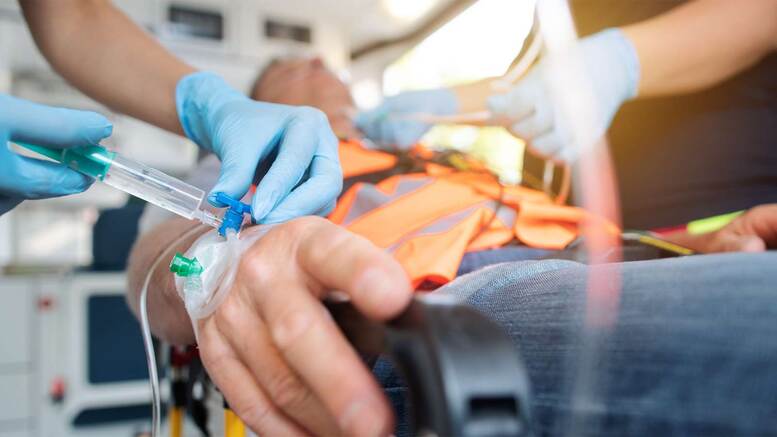
Picture this: You’re enjoying a family dinner when someone suddenly begins struggling to breathe. Conversations stop, chairs scrape against the floor, and everyone looks around for help. Within seconds, an ordinary evening turns into a frightening situation.
Would you know what to do?
Most people never expect to face a medical emergency, yet accidents and sudden health complications can happen anywhere. While calling emergency services is essential, knowing a few basic health skills can help you respond appropriately while professional assistance is on the way.
Here are the skills that matter most when every moment counts.
1. Recognizing When Something Is Seriously Wrong
One of the most valuable emergency skills is knowing when a situation requires immediate medical attention.
Some warning signs are obvious, such as sudden collapse or uncontrolled bleeding. Others are easier to overlook.
Chest pressure, sudden confusion, difficulty speaking, severe breathing problems, or weakness on one side of the body may indicate a serious medical condition.
Recognizing these symptoms early can prevent dangerous delays.
For example, someone experiencing a stroke may suddenly develop facial drooping, arm weakness, or slurred speech. Understanding these warning signs allows you to contact emergency services immediately rather than waiting to see whether the symptoms disappear.
You don’t need to diagnose the problem. You need to recognize that something isn’t right.
2. Knowing How to Perform CPR
Imagine witnessing someone suddenly collapse at a shopping center. They’re unresponsive and aren’t breathing normally.
This could be cardiac arrest, a condition in which the heart stops pumping blood effectively.
Cardiopulmonary resuscitation (CPR) helps maintain some blood circulation until emergency responders arrive or a defibrillator can be used.
For adults experiencing suspected cardiac arrest, untrained bystanders can follow emergency dispatcher instructions and perform hands-only CPR by pushing hard and fast in the center of the chest.
Healthcare professionals require additional knowledge, including rescue breathing, ventilation techniques, and coordinated resuscitation procedures.
Training programs such as CPR for Healthcare Providers can help medical professionals review essential resuscitation principles and strengthen their understanding of emergency response.
Practical training is especially valuable because performing CPR correctly requires more than simply remembering instructions.
3. Understanding How to Use an AED
An automated external defibrillator, commonly called an AED, is a portable device designed to help someone experiencing certain life-threatening heart rhythms.
You’ll find AEDs in many airports, gyms, schools, and public buildings.
Despite their importance, people sometimes hesitate to use them because the equipment looks intimidating.
Fortunately, AEDs are designed to guide users through the process with clear instructions.
Once switched on, the device explains how to attach the pads, analyzes the person’s heart rhythm, and advises whether a shock is needed.
Knowing where AEDs are located and becoming familiar with their operation can make a significant difference during cardiac emergencies.
4. Controlling Serious Bleeding
A minor cut might need nothing more than cleaning and a bandage. Severe bleeding, however, can become life-threatening very quickly.
Knowing how to control bleeding is therefore an essential emergency skill.
Start by applying firm, continuous pressure directly to the wound using a clean cloth or dressing.
If the bleeding is life-threatening, contact emergency services immediately.
For severe bleeding from an arm or leg, a properly applied tourniquet may be necessary. Learning this technique through hands-on first aid training is particularly useful.
Remember to protect yourself from contact with blood whenever possible by using gloves or another suitable barrier.
The goal is to reduce blood loss while professional help is on the way.
5. Responding to Choking Emergencies
Choking can happen unexpectedly, particularly during meals.
Someone experiencing mild choking may still be able to cough or speak. Encourage them to continue coughing and monitor their condition.
However, a person with severe airway obstruction may be unable to speak, breathe, or cough effectively.
This requires immediate action.
For a conscious choking adult, current first aid guidance recommends cycles of five back blows followed by five abdominal thrusts until the obstruction clears or the person becomes unresponsive.
Different techniques apply to infants and certain other individuals, making proper training especially important.
If the person becomes unresponsive, begin CPR according to your training and emergency dispatcher instructions.
6. Staying Calm and Communicating Clearly
Medical emergencies can create confusion, even among people who genuinely want to help.
Someone may start shouting instructions while others panic or freeze.
One of the most underrated emergency skills is the ability to communicate clearly under pressure.
Call emergency services promptly and explain what happened, where you are, and the person’s condition.
If other people are nearby, assign specific responsibilities.
Instead of shouting, “Someone call an ambulance!” point to a particular person and ask them to make the call.
Clear communication helps reduce confusion and allows everyone to work toward the same goal.
7. Knowing Your Limits and Protecting Yourself
Helping someone doesn’t mean putting yourself in danger.
Before approaching an injured person, check for hazards such as traffic, electricity, fire, or unsafe surroundings.
Use protective equipment when available, particularly when dealing with blood or other bodily fluids.
It’s equally important to recognize when a situation requires professional medical intervention.
Basic first aid is not a substitute for emergency medical care. Your role is to provide appropriate assistance within your training while waiting for qualified responders.
Preparation Is the Skill Behind Every Other Skill
Medical emergencies don’t usually announce themselves. They interrupt ordinary moments, often when people least expect them.
Learning to recognize danger, perform CPR, use an AED, control bleeding, respond to choking, and communicate effectively can help turn uncertainty into purposeful action.
You don’t need to become a medical professional to learn these skills. You simply need to make emergency preparedness a priority.
Because when someone’s health is suddenly at risk, the most valuable knowledge may be the knowledge you never expected to use.
Read More: jacqulyn elizabeth hanley

This comprehensive guide explores how receiving an IV drip at home can help restore vital energy and optimize long-term health. By opting for a specialized NAD+ IV drip administered in the comfort of your living room, individuals can support cellular rejuvenation, enhance mental clarity, and combat systemic fatigue without visiting a clinic.
Understanding NAD+ and Its Importance for Cellular Energy
Nicotinamide adenine dinucleotide, commonly known as NAD+, is a vital coenzyme found in every single cell of the human body. It plays a fundamental role in converting nutrients into cellular energy, supporting metabolic function, and repairing damaged cellular components. Without adequate levels of this essential compound, the body struggles to maintain optimal biological functions, leading to persistent physical lethargy, reduced mental performance, and accelerated signs of aging.
As time progresses, natural physiological processes and external stress factors lead to a steady decline in internal NAD+ reserves. Chronic stress, poor dietary choices, inadequate sleep, and environmental toxins further deplete these vital stores. Rebuilding cellular vitality becomes increasingly difficult through diet alone, which is why many individuals explore targeted intravenous solutions designed to replenish key nutrients efficiently.
The Mechanics and Benefits of Home Intravenous Therapy
Intravenous therapy delivers essential vitamins, minerals, and coenzymes directly into the bloodstream, bypassing the digestive system entirely. When oral supplements are consumed, a significant portion of the active compounds is broken down by stomach acids and liver metabolism, resulting in limited absorption rates. Intravenous administration ensures maximum bioavailability, allowing cells to absorb the necessary nutrients almost immediately.
Choosing an iv drip at home offers an unparalleled level of convenience and personal comfort. Instead of traveling through busy traffic, waiting in clinical waiting rooms, or adjusting a hectic schedule to fit medical appointments, individuals can receive high-grade wellness treatments in their preferred environment. This stress-free setting enhances relaxation during the session, allowing the body to rest deeply while receiving cellular support.
Why a Targeted Coenzyme Infusion Restores Vitality
A dedicated nad iv drip targets the root causes of physical exhaustion by delivering concentrated amounts of the coenzyme directly to where it is needed most. Once inside the bloodstream, it immediately goes to work supporting mitochondrial function—the power generators of human cells. By optimizing mitochondrial efficiency, the body can produce ATP (adenosine triphosphate) more effectively, resulting in sustained, natural energy without the crash associated with stimulants.
In addition to physical energy, this targeted infusion supports cognitive health and mental performance. Many individuals experience brain fog, difficulty focusing, and reduced problem-solving efficiency when cellular coenzymes are depleted. Direct supplementation helps clear mental fatigue, sharpens focus, and supports neuroprotective pathways, making it an excellent wellness option for busy professionals, aging adults, and those recovering from prolonged physical exertion.
What to Expect During a Mobile Wellness Session
A professional home therapy session is designed to be seamless, comfortable, and strictly aligned with medical safety protocols. Prior to treatment, a qualified healthcare professional evaluates the individual’s health background, current symptoms, and overall wellness goals. Once cleared, the practitioner sets up a sterile field in the comfort of the client’s home, ensuring that all equipment meets rigorous clinical sanitation standards.
During the session, a small needle is inserted into a vein, and the infusion begins slowly. Because coenzyme solutions require gradual administration to ensure complete comfort, the process typically takes anywhere from one to two hours. Clients can use this time to relax on the couch, read a book, watch television, or continue working remotely. Throughout the process, the visiting healthcare professional monitors vital signs and ensures a safe, soothing experience from start to finish.
Safety Considerations, Aftercare, and Sustaining Results
While mobile intravenous therapy is generally safe and well-tolerated, prioritizing professional expertise is essential. Treatments should always be conducted by licensed medical practitioners who adhere to strict safety guidelines, verify medical histories, and use sterile, single-use supplies. Individuals with chronic medical conditions, kidney issues, or heart disorders should discuss treatment options thoroughly with a medical specialist before scheduling an appointment.
After the session concludes, clients are encouraged to stay well-hydrated and maintain a balanced diet to prolong the benefits of the infusion. Most people report feeling an immediate sense of refreshed energy and enhanced mental clarity, while others notice progressive improvements over the following days. Combining regular treatments with healthy lifestyle choices, proper sleep, and balanced nutrition helps sustain long-term vitality and overall cellular wellness.
Conclusion
Restoring natural energy and optimizing health no longer requires sacrificing time or comfort. Utilizing an iv drip at home provides a convenient, effective method for delivering essential nutrients directly to the cells that need them most. Whether seeking to clear persistent brain fog, elevate physical performance, or support healthy aging, a customized nad iv drip delivers transformative cellular support right to your doorstep, helping you feel revitalized from the comfort of your own couch.
Read More: john castillo soberano

Understanding Plasma: The Liquid Gold of Your Body
The Science Behind Plasma: What Makes It So Special?
Plasma, constituting approximately 55% of total blood volume, is often referred to as the “liquid gold” of the body. Its golden color is derived from the various proteins and nutrients dissolved within it. Composed mainly of water (about 90%), plasma also contains essential proteins, hormones, electrolytes, and waste products. The most critical proteins, albumin, globulins, and fibrinogen, play pivotal roles in maintaining osmotic pressure, immune responses, and blood clotting, respectively. Plasma serves not only as a transport medium for these proteins and cellular components but also delivers vital nutrients and hormones throughout the body. The unique composition of plasma allows it to perform diverse functions that are integral to human health, making it an invaluable resource in the medical field.
The Role of Plasma in Health and Medicine
In the realm of healthcare, plasma has a multitude of applications. Its derivatives, known as clotting factors, are used in treating hemophilia, a condition that impairs the body’s ability to control bleeding. Moreover, immunoglobulins extracted from plasma are vital in fighting infections and boosting the immune system in immunocompromised patients. Intravenous immunoglobulin therapy is used for patients with autoimmune diseases, helping to modulate and stabilize the immune response. Plasma donation is also crucial in developing therapies for conditions like burns, shock, and trauma, making it a lifeline in critical care situations. The ability to harness the properties of plasma for medical interventions underscores its significance, highlighting the urgent need for plasma donors to support these life-saving treatments.
Myths vs. Facts: Common Misconceptions About Plasma
Despite its importance, there are several myths surrounding plasma donation that can deter potential donors. A common misconception is that donating plasma is painful and excessively time-consuming. In reality, while there is a slight discomfort associated with the initial needle insertion, many donors report that the process is only minimally uncomfortable and takes between 45 minutes to an hour. Another myth is that plasma donation and blood donation are the same; however, they differ significantly. Plasma is extracted via a process called apheresis, where blood is drawn, the plasma is separated, and the remaining components are returned to the donor. Additionally, there is a fear that donating plasma might deplete vital nutrients. On the contrary, the body regenerates plasma rapidly, usually within 24-48 hours, and as a result, regular donation can contribute to a healthy lifestyle. Dispelling these misconceptions is essential for encouraging participation in plasma donation, a vital act that can save lives.
Becoming a Plasma Donor: Your Step-by-Step Guide
Eligibility Requirements: Are You Ready to Roll Up Your Sleeves?
Before you roll up your sleeves to donate plasma, it’s essential to understand the eligibility criteria established by various health organizations. Generally, donors must be at least 18 years old and weigh a minimum of 110 pounds (50 kg). This helps ensure that the donation is safe for both the donor and the recipient. Potential donors must also pass a medical screening, including a health history questionnaire and physical examination, to check for conditions that might disqualify them from donating, such as certain chronic diseases or recent infections. Additionally, individuals with a history of drug abuse or multiple sexual partners may face restrictions. It’s vital for potential donors to be honest during the screening process, as this ensures their safety and that of those receiving the plasma. Being aware of these requirements prepares individuals for the process and encourages a higher rate of successful donations.
The Donation Process: What to Expect When You Donate
Understanding the donation process can significantly alleviate any apprehensions about plasma donation. When you arrive at a plasma donation center, you’ll first check in and complete a detailed health questionnaire. Once your eligibility is determined, you’ll undergo a brief physical examination where healthcare professionals will check your heart rate, blood pressure, and hemoglobin levels. If you qualify, you’ll be seated comfortably in a donation chair, and a healthcare provider will clean your insertion site and insert a sterile needle into your arm. The apheresis machine then draws your blood, separating the plasma from other blood components. This process typically lasts 30 to 45 minutes, during which you are encouraged to relax, perhaps watching a movie or browsing the internet. After the donation, you’ll receive fluids and snacks to help replenish your energy. The professionalism and care exhibited throughout the process ensure that it is both safe and efficient, reinforcing the vital role each donor plays in saving lives through their generous contributions.
Preparing for Your Donation: Tips for a Smooth Experience
Preparation is key to ensuring a smooth plasma donation experience. Staying hydrated in the days leading up to your donation is crucial, as it helps increase blood volume and makes the vein selection process much easier. Drinking water, avoiding salty foods, and ensuring you have a balanced meal before your appointment are essential tips. Additionally, it is advisable to avoid alcohol and strenuous physical activities for 24 hours prior. Wearing comfortable clothing that allows easy access to your arms can also make the experience more comfortable. Bringing a book or music can help distract you during the donation process. Finally, don’t hesitate to ask the staff any questions you have about the procedure; they’re trained to support you and ensure your experience is as pleasant as possible.
The Impact of Plasma Donation: Changing Lives One Drop at a Time
Real Stories: How Plasma Donations Save Lives
The impact of plasma donation can be profoundly illustrated through real-life stories. For instance, consider a young boy named Alex suffering from hemophilia, who relies on clotting factor derived from plasma to lead a normal life. Due to the dedication of volunteer donors, Alex can participate in school activities and spend time with friends without constantly fearing severe bleeding incidents. Another inspiring example is that of Janet, a burn survivor. After a tragic accident that left her with extensive injuries, Janet was able to receive life-saving treatments that included plasma-derived therapies. The collective contributions of thousands of plasma donors nationwide ensure that stories like Alex’s and Janet’s become possible. These narratives emphasize the critical need for plasma donors, illustrating how one person’s act of generosity can create ripples of hope and healing across countless lives.
The Blood Plasma Shortage: Why Your Contribution Matters
As the demand for plasma-derived therapies continues to rise, so does the urgency to replenish the supply. According to recent studies, the United States is facing a significant blood plasma shortage, exacerbated by the increase in autoimmune and rare diseases that require ongoing treatments. Each year, millions of patients rely on these treatments, with around 70% of plasma being used to treat chronic and complex conditions. The current supply chain challenges mean that many therapies are at risk of being disrupted, threatening the health and lives of those who depend on them. By donating plasma, you play a vital role in combating this shortage, ensuring that hospitals have access to the necessary resources to treat patients effectively. Your contributions can literally mean the difference between life and death for individuals waiting for essential therapies.
You’re Not Just Giving: The Health Benefits of Donating Plasma
While the primary motivation for donating plasma is to help others, it also offers notable health benefits for the donor. Studies have shown that regular plasma donation can lead to improved cardiovascular health and lower blood pressure. The act of donating promotes the rapid regeneration of new plasma, stimulating the body’s natural processes and encouraging overall health. Additionally, many donors report feeling a sense of accomplishment and fulfillment from contributing to the greater good, which can enhance mental well-being. Donating plasma can also serve as a gentle reminder for individuals to maintain healthy lifestyles, as eligibility often requires donors to be in good health. This mutual benefit reinforces the notion that plasma donation is indeed a win-win scenario—supporting both the health of the recipient and the donor.
Getting Involved Beyond Donation: Join the Plasma Community
Advocacy and Awareness: Spreading the Word About Plasma Donation
Supporting plasma donation extends beyond just the act of giving; it’s also about raising awareness and advocating for its importance within your community. Advocating for plasma donation can take many forms, from participating in local awareness campaigns to hosting informational sessions. By sharing your experiences and the benefits of plasma donation, you can inspire others to join the cause. Utilizing social media platforms to share stories, statistics, and personal motivations can significantly impact public perception of plasma donation and its critical role in healthcare. Informing friends and family about local donation centers, or even organizing group donations, can create a community spirit around plasma donation, fostering a culture of giving that extends far beyond individual contributions. Your advocacy efforts can contribute to a more informed and engaged community, ensuring larger support for plasma donation initiatives.
Volunteering and Fundraising: How to Make a Broader Impact
Beyond donating plasma, there are numerous ways to support the cause through volunteering and fundraising efforts. Many plasma donation centers rely on volunteers to assist with logistics, educational outreach, and community events, providing a flexible opportunity for individuals to contribute based on their availability and skills. Fundraising initiatives, such as creating campaigns to support local donation centers or organizing charity runs, can raise awareness while also generating funds for essential operations, such as equipment purchases and community outreach programs. Collaborating with local businesses to sponsor events or challenges can amplify your efforts while building strong community partnerships. By leveraging your unique talents and resources, you can significantly enhance the visibility of plasma donation efforts, ultimately leading to a more robust donor base and increased support for life-saving therapies.
Resources for Donors: Connecting with Plasma Donation Centers
Connecting with your local plasma donation center is essential for making the most out of your donation experience. Many organizations have established websites where potential donors can find information about eligibility requirements, the donation process, and upcoming events. Utilizing resources such as the American Red Cross or the Plasma Protein Therapeutics Association can provide additional insights into where and how you can get involved. Additionally, social media groups and community forums can serve as platforms for donor experiences, peer support, and educational resources. Many centers also offer workshops and informational seminars aimed at educating prospective donors about the plasma donation experience and its importance in the medical field. Taking advantage of these resources not only enriches your understanding but also strengthens the plasma donation community as a whole.
Read More: Jacqulyn Elizabeth Hanley


Best Image-to-Video Tools for a Trade Show Product Still
The photograph on the booth wall is already finished. A clip made from it is a new shot, for a...

The Health Skills That Matter Most During Emergencies
Picture this: You’re enjoying a family dinner when someone suddenly begins struggling to breathe. Conversations stop, chairs scrape against the...


Ranking sports to bet on from easiest to hardest
Anyone who already spends weekends watching football has a head start before opening a sportsbook. You know what a corner...


5 Ways Moving and Storage Can Transform Your Relocation Experience
Key Takeaways Professional moving and storage services can reduce the stress and physical demands associated with relocation. Expert movers use...


Revitalize Your Energy from the Couch: The Complete Guide to NAD+ IV Drips at Home
This comprehensive guide explores how receiving an IV drip at home can help restore vital energy and optimize long-term health....


How to Shop Leister ST Tools for Plastic Fabrication
Professionals who shop Leister ST tools are looking for dependable hot-air equipment for plastic fabrication, repair and maintenance tasks. Leister’s...


Simplifying Your Auto Transport Process: A Complete Auto Shipping Guide for Stress-Free Vehicle Transport
Introduction Shipping a vehicle for the first time can feel like navigating a maze of logistics, terminology, and unfamiliar choices....


Mobile Gambling vs the Full Desktop Casino Experience
Online casino games are no longer tied to one kind of screen. Some players prefer opening a full casino site...


The 10 Best AI Image to Video Generators of 2026
Transforming static visual assets into high quality video motion is no longer a complex task reserved for specialized visual effects...


The Art of Modern Food Storage: Mastering Kitchen Organization and Ingredient Freshness
Maintaining an organized and efficient kitchen is one of the most rewarding home habits a person can build. Food storage...






The Outfit That Speaks for Itself: Zach Bryan Merch, Parke, and Rolex Replica Every Day

Men’s Streetwear Denim Guide 2026: How Amiri and Mixedemotions Get Premium Jeans Right

Why Some Online Casino Games Feel Easier to Return To

When Access Becomes Instant Patience Becomes Optional: Z library

Assessing the Chances of South Africa at the World Cup

Designs that Support Longevity in Online Gambling Platforms
-
 Biography8 years ago
Jacqulyn Elizabeth Hanley is the Mother of Liza Soberano?
-
Biography7 years ago
Amanda Levy Mckeehan Biography, Family, Net Worth, Age, Affairs, Facts
-
Home7 years ago
Epson L3110 Driver Free Download Latest Updated Version
-
Games5 years ago
Best Free To Play MMORPG To Try This 2021
-
Biography8 years ago
Who is Rose Dorothy Dauriac? Scarlett Johansson Daughter?
-
Home8 years ago
Liza Soberano Biography, Age, Family and Boyfriends
-
Biography7 years ago
Jessica Ditzel Secret Information that Nobody Knows | Joe Rogan’s Wife
-
Biography8 years ago
What is the relation of Nathaniel Larry Osorno with Liza Soberano?