Home Improvement
Is Carpet Cleaning Worth The Price Tag?

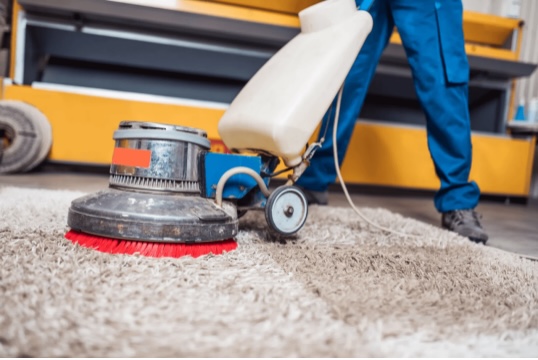
Are you wondering if you should hire professional carpet cleaning services? There are many factors to consider when making this decision, including how often your carpets need cleaning and how much time you have to devote to the process. The truth is that there is no right or wrong answer. It all comes down to your individual circumstances. If you don’t have time or would rather save money by doing it yourself, then hiring a professional may not be worth it—but if your carpets are frequently stained or dirty with pet hair, then calling in a pro may be well worth the cost of doing so!
Does the idea of getting professional carpet cleaning send you running for your vacuum?
Carpets are a major investment in your home, and you want to keep them looking good as long as possible. Professional carpet cleaning can help extend the life of your carpets and reduce allergens in your home.
If you’ve ever wondered whether or not professional carpet cleaning is worth the price tag, here are some things to consider.
While professional carpet cleaning is not cheap, it can be worth the cost
While professional carpet cleaning is not cheap, it can be worth the cost. The cost of professional carpet cleaning depends on many factors and will vary from one company to another. However, even if you decide to go with a cheaper option like renting a machine or using an at-home kit, these products usually aren’t as effective as professional services.
In addition to saving money on your next purchase of new furniture or appliances by removing stains now instead of waiting until they become permanent stains in your carpeting, professional services may also save you money in other ways:
Here are some benefits to consider when trying to decide whether or not to get your carpets cleaned professionally
You should consider getting your carpets cleaned if:
- You have allergies or asthma, and you want to reduce the risk of exposure to allergens and irritants (such as dust mites) that can exacerbate symptoms. Cleaning your carpet regularly can remove dirt, allergens, dander and other debris that collect on the surface of your carpets over time.
- You want to get rid of stains caused by spills or accidents such as red wine spills in the dining room or coffee stains in the kitchen. Professional cleaning services are trained to use specialized products that will lift stubborn stains out of both natural fibers like wool and synthetic materials like nylon without damaging them permanently by using too much heat during drying time after washing is complete; this means that even if you don’t know how best clean up after yourself right away (or ever), a pro will still be able to do what needs done so nothing gets left behind!
- You notice an unpleasant odor coming from somewhere inside your house but aren’t sure where exactly it’s coming from because there are so many different places where odors could originate…and then one day while vacuuming upstairs with my husband watching TV downstairs on his laptop computer which happens often since he works at home sometimes too much noise makes me feel uncomfortable so I prefer silence instead but sometimes silence isn’t enough either because although silence might seem peaceful there’s still noise pollution happening outside our windows 24/7 365 days per year regardless whether we’re awake sleeping awake sleeping asleep awake asleep etcetera ad infinitum ad nauseam infinity times infinity squared times zero equals infinity divided by zero equals zero times infinity squared equals -1
The Costs of Professional Carpet Cleaning Services
The cost of professional carpet cleaning services is generally determined by a number of factors, including:
- The size and type of your home’s carpets. For example, if you have wall-to-wall carpeting in your entire house or large rooms with lots of furniture that can’t be moved, there will likely be more work involved than if you have smaller rooms with few pieces of furniture.
- The condition of your carpets. Dirty stains require more time and effort to remove than light dirt stains do; likewise, older carpets may require more attention than newer ones because they tend to accumulate more dirt over time.
- Whether or not any area rugs need cleaning as well (and if so how many). Area rugs tend to get dirty faster due to their exposure to traffic areas where shoes leave behind dust particles when people walk on them without taking off their shoes first–something that rarely happens when walking barefoot through regular room areas because most people take care not step directly onto dirty floors when going from one place inside a house/apartment building another
Let’s take a look at why you may want to consider calling in the professionals for carpet cleaning services.
If you’re looking to have your carpets cleaned, but aren’t sure if it’s worth the price tag, this article is for you. We’ll take a look at why you may want to consider calling in the professionals for carpet cleaning services.
The pros of professional carpet cleaning: professional cleaners use specialized equipment that can remove stubborn stains that are impossible for homeowners to remove themselves (such as pet stains). They also know which products work best on certain types of fabric such as wool or silk so they don’t damage them during cleaning. Finally, many companies offer warranties on their workmanship; if something goes wrong with your new-and-improved carpet after they leave the premises then someone from that company will come back out at no charge so long as it falls within those guidelines!
Cleaning your own carpets can save you money, but it also makes sense in other ways.
While it may seem like a good idea to clean your own carpets, there are some important things to consider before you begin. Carpet cleaning can be time consuming and difficult, especially if you don’t have the right tools or know how to use them. If you’re looking for a way to save money and still get the job done right, hiring a professional carpet cleaner could be the best option for you.
If you have carpeting in your home, it’s a good idea to get it cleaned at least once every year. This will help keep your carpet looking fresh and new while also preventing any stains from setting in. There are many reasons why professional carpet cleaning services can be worth the money, including the fact that they do an excellent job at removing even tough stains from all types of fabrics.
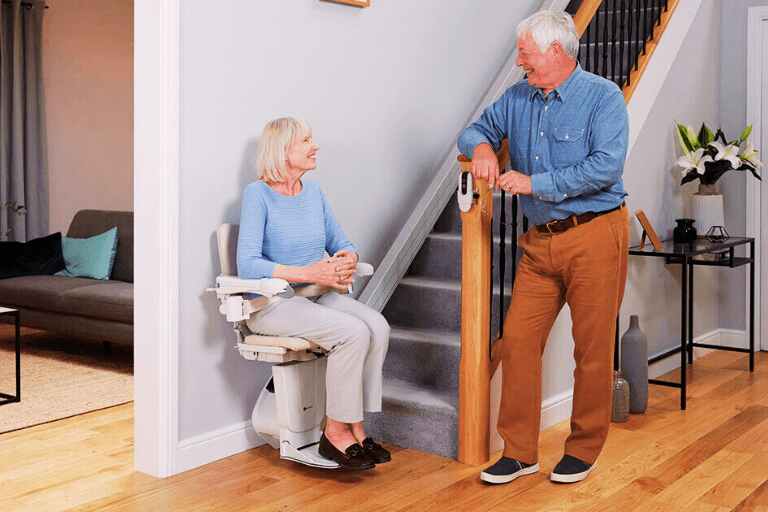
Stairlifts are a practical adaptation designed to support people who experience difficulty using stairs within their own homes. They are most commonly associated with older adults, but they are also used by individuals with mobility impairments, balance issues, joint pain, or long term health conditions. Rather than changing home layouts entirely, a stairlift allows continued access to all floors of a property while maintaining independence and safety.
Why Stairs Become a Challenge
Stairs can present a gradual or sudden barrier. Reduced strength, limited flexibility, impaired balance, or recovery from surgery can all make climbing stairs difficult or unsafe. In many homes, key living spaces such as bedrooms and bathrooms are located upstairs, meaning that restricted stair access can significantly affect day to day living. Stairlifts aim to reduce this risk by providing a stable seated platform that moves smoothly between floors.
How Stairlifts Work
A stairlift typically consists of a motorised chair or platform attached to a rail fixed along the staircase. The user sits on the chair, secures a seatbelt, and operates the lift using simple controls, often mounted on the armrest. The chair then travels along the rail at a controlled speed. Most modern stairlifts include safety features such as obstruction sensors, swivel seats at the top of the stairs, and soft start and stop mechanisms to improve comfort and stability.
Types of Stairlifts Available
There are several types of stairlifts designed to suit different home layouts and user needs. Straight stairlifts are used on staircases without bends or landings, while curved stairlifts are custom fitted to follow more complex staircases. Some homes may require outdoor stairlifts for access to entrances or gardens. There are also standing or perching stairlifts for users who find sitting difficult, although seated models are more common.
Considerations Before Installing a Stairlift
Before installing a stairlift, several practical considerations should be reviewed. Staircase width is important, as the lift must allow safe passage for other users when not in use. Power supply requirements, potential building regulations, and future mobility needs should also be assessed. Many people choose to plan ahead, installing a stairlift before mobility becomes severely limited, which can make the transition easier and less disruptive.
Impact on Daily Living
The presence of a stairlift can significantly change how a home is used. It may reduce the need to relocate bedrooms or bathrooms to the ground floor and can support continued independence. For some households, it also reduces reliance on carers or family members for assistance with stairs. While a stairlift does not address all mobility challenges, it often plays a role in enabling people to remain in their own homes for longer.
Maintenance and Ongoing Use
Stairlifts require routine maintenance to ensure safe operation. This typically includes battery checks, rail inspection, and general servicing. Users are usually advised to keep the rail clear and to report any unusual noises or changes in movement. With proper care, stairlifts are designed for long term use and can adapt to gradual changes in mobility needs.
Stairlifts in a Local Context
The need for home adaptations continues to grow as more people aim to remain living independently. In urban areas with varied housing styles, staircases can differ widely in shape and size, which influences stairlift design and installation. For households considering options later in life, understanding how stairlifts fit into local housing stock is an important part of planning. This applies equally to those researching stairlifts Birmingham as part of broader discussions around ageing, accessibility, and home safety.
Read More: jacqulyn elizabeth hanley

In the quest to find homes that blend modernity and tradition, homeowners have found innovative ways to reflect the old with the new. The fusion of contemporary and traditional now creates spaces that are visually appealing and traditionally resonant. Whether you live in a metropolitan city or a serene countryside, Indian homes offer endless possibilities to create spaces that are inviting, warm, and that reflect the homeowner’s personality. This article explores how modern homes can incorporate old beliefs with contemporary style.
Understanding Indian home decor
The Indian home decor is deeply rooted in traditions and culture. From handcrafted wooden furniture to artefacts, every element in our homes has a story to tell. However, now that our lifestyles have evolved, modern influences have made their way into Indian homes. Back in the day, Indian furniture was crafted with teak, mango wood or rosewood. This wood was known for its intricate serving and durability. Diwan, cabinets and swing seats added a luxury touch to the space. Handcrafted items from brass lamps to terracotta figurines added a sense of charm and authenticity. Also, many Indian homes incorporated spirituality through idols, pooja mandirs and rangoli designs.
Bringing in the modern influences
If you are adopting a minimalistic approach, replace heavy furniture with sleeker designs. Opt for neutral colour palettes and clean lines that complement the traditional pieces you already have in your home. Modern furniture combined with traditional craftsmanship can blend effortlessly with any interiors when chosen thoughtfully. Cabinets with hidden storage are perfect for homes where space is a constraint. Pair traditional decor with modern art pieces such as abstract paintings or sculptures. This can act as a focal point and bring a striking balance to the home. Technology integration can also be done effortlessly. Smart devices like climate control systems and automated lighting can be added, and this offers the best of both worlds.
Decorating Different Spaces
Living Room
Include a wooden jhoola or a sleek sofa set and a carved coffee table in the living room. Combine contemporary floor lamps with brass lanterns to introduce a touch of nostalgia. Pair your upholstered sofa with soft neutral tones for warmth and maintain a contemporary feel. Also, try adding traditional artworks or abstract paintings to create a space that resonates with both innovation and heritage.
Bedroom
In the bedroom interiors, choose a minimal bedframe with wood detailing in the headboard. To complement this, use soft furnishings in earthy tones or embroidered cushions. If your room is too modern, include wooden wardrobes and vintage dressers to retain timeless charm.
Dining area
Dining areas are a perfect place to show off the roots of the traditional Indian spirit. Opt for solid wood dining tables with contemporary chairs and include traditional elements like cane weaving. Modern chandelier or pendant lamps in the dining area can act as a bridge between both styles. A crockery unit or a sideboard can further enhance the space.
Kitchen
A kitchen should be efficient and soulful. To bring warmth into the kitchen, use sleek cabinetry with wood-finish laminates and stone countertops. Utensils in the traditional styles or materials can add a cultural touch. To ensure functionality, integrate smart appliances without compromising on aesthetics.
Outdoor space
Bamboo furniture and terracotta pots add a traditional touch. You can also blend in subtle backlighting, wooden panels or jaali for elegance.
Blending tradition and modernity in Indian homes is more than just a design choice. It is a mix of innovation and heritage thoughtfully integrated. You can create a home that is deeply personal, aesthetically pleasing and functional. At D’LIFE interior designers in Bangalore , we understand the essence of Indian homes. With a wide range of furniture choices and decor items in hand, D’LIFE helps you achieve the perfect balance.
Let your home be a reflection of your beauty, past and present – choose D’LIFE. Backed by two decades of D’LIFE’s expertise, it brings together precision engineering, innovation and aesthetics that perfectly complement modern lifestyles. Every design is tailored to be built to last, meet individual needs and enhance the beauty of every home.

The Benefits of Artificial Turf: A Green Dream Come True
Eco-Friendly Living: How Artificial Turf Conserves Water
In a world increasingly aware of environmental sustainability, the benefits of artificial turf extend far beyond aesthetic appeal. One of the most compelling reasons homeowners choose synthetic grass, especially in regions like San Diego, is its remarkable ability to conserve water. Traditional lawns require a staggering amount of water, approximately 55 gallons per square foot annually, to maintain lush greenery, which can strain our precious resources, particularly in drought-prone areas. With artificial turf installation in San Diego, this figure drops to nearly zero. This means homeowners can enjoy a beautiful, green lawn year-round without constantly engaging in water-wasting practices like excessive irrigation.
Moreover, the absence of pesticides and fertilizers further adds to the ecological benefits. Real grass often requires chemical treatments that can leach into the soil and local water systems, contributing to pollution. On the contrary, artificial turf does not necessitate these substances, contributing to a healthier ecosystem. By choosing synthetic grass, you are not only doing your part in environmental conservation but also lowering your water bill significantly. This proactive approach resonates particularly well in climate-conscious San Diego, making artificial turf a logical choice for eco-friendly living.
Low Maintenance Magic: Say Goodbye to Mowing and Weeding
Imagine a life where weekends are free from mowing the lawn or battling relentless weeds. The allure of artificial turf lies in this very fantasy. With synthetic grass, maintenance demands are drastically reduced compared to natural lawns, which require frequent cutting, weeding, fertilizing, and watering. This ease of upkeep significantly enhances your quality of life, providing you with more time to spend on activities you truly enjoy.
Instead of investing weekends in tedious yard work, you can now relax or pursue hobbies, reflecting on how much more enjoyable your home environment can be. To maintain artificial turf, all that is typically needed is occasional brushing to maintain the blades’ upright position and the removal of debris. Simple rinses to clear dust and dirt keep your lawn looking fresh. Even after heavy rains, synthetic turf drains efficiently, ensuring it dries quickly and looks appealing in no time.
Pet-Friendly Paradise: Creating a Safe Space for Your Furry Friends
For pet owners in San Diego, artificial turf presents an ideal solution for creating a safe and enjoyable environment for their beloved pets. Natural grass can become muddy and full of pests, leading to health issues for animals that frequent the outdoors. In contrast, high-quality synthetic grass is designed to be durable, providing a safe, non-toxic surface for pets to play and relax. Our furry friends can romp around without damaging the lawn or bringing mud into the house, making life considerably easier for pet owners.
Additionally, many artificial turf products come equipped with built-in drainage systems. This ensures that pet waste can be easily washed away without leaving lingering odors or unsightly messes. Regular maintenance is minimal; simply hosing down the area is generally enough to keep it clean and hygienic. These features allow pet owners to enjoy guilt-free outdoor time with their pets, knowing that both aspects of their lawn and their furry titans are well cared for.
Choosing the Right Turf: Navigating the Options in San Diego
Exploring Different Types of Artificial Grass: What’s Best for Your Yard?
As you consider transforming your outdoor space with artificial turf, understanding the various types available is essential. The market has expanded significantly, providing homeowners with numerous options tailored to different needs and aesthetics. For instance, some types of artificial grass are softer and ideal for residential settings, while others are designed for high-traffic areas, such as sports fields. Turf options range from polyethylene, known for its softness and appearance, often used in residential lawns to nylon, recognized for its durability and resilience, making it perfect for commercial applications.
Another critical factor is the pile height of the turf; this refers to the length of the blades. Shorter piles tend to be more durable and easier to maintain, making them great for pets and children, while longer piles can create a lush, natural appearance often preferred in residential landscapes. Opting for the right combination suited to the specific needs of your family or lifestyle will enhance both functionality and visual appeal.
Understanding Turf Quality: What Makes One Product Stand Out?
Quality is paramount when selecting artificial turf for your lawn. Not all turf products are created equal; factors such as material composition, UV resistance, and durability over time critically determine the outcome of your investment. High-quality turf should be manufactured with UV inhibitors to prevent fading and degradation from sunlight exposure, thus ensuring it looks vibrant year-round. Furthermore, look for products with warranties of ten years or more, which reflect a company’s confidence in their product’s durability.
When evaluating turf quality, examine the density of the fibers as well. Denser turf provides a more realistic feel and better resilience against foot traffic. An additional consideration is the infill used, which plays an integral role in providing support and bounce to the grass. Options such as sand or rubber infill can add tonality and softness to your lawn while improving drainage. Taking the time to research and understand the nuances of turf quality can ultimately enhance your satisfaction with the product and ensure longevity.
Grass vs. Grass: A Comparison of Aesthetic Appeal and Functionality
When deciding on artificial turf, balancing aesthetic appeal and functionality is key to achieving your ideal lawn. Different types of grass vary widely in appearance, from vibrant shades of green mimicking freshly mowed grass to varieties replicating the look of established, natural landscapes. In addition to color and texture, consider the performance under varied conditions. Some grasses perform better in full sunlight, while others may be more tolerant in shaded areas. Evaluating where the turf will be placed about sun exposure can inform your choice and ensure that the grass thrives in that specific environment.
Not only should your artificial turf look beautiful, but it must also hold up effectively throughout the seasons and withstand common wear and tear. If you have children or pets that frequently engage in play on the lawn, opting for a turf known for endurance and resistance to matting will serve you well. Discuss your lifestyle habits with a turf professional who can guide you in selecting grass that harmonizes with both appearances and functionality, bringing to life a lawn that’s not only visually pleasing but practical for everyday use.
The Installation Process: Crafting Your Perfect Lawn
From Consultation to Completion: What to Expect During Installation
Embarking on installing artificial turf begins with a comprehensive consultation, a critical step that allows professionals to assess your lawn’s unique needs. During this initial meeting, you’ll discuss your goals, preferences, and budget. Experts will evaluate current site conditions, including soil type, slope, and existing vegetation, which plays a substantial role in the installation process. This assessment allows for precise planning, ensuring the best outcome tailored to your specifications and desires.
Once the consultation concludes, a skilled installation team will transition your yard from vision to reality. The process typically includes several key stages: site preparation, base layering, turf placement, and finishing touches. Site preparation involves removing existing grass and debris, followed by leveling the ground and providing adequate drainage to avoid pooling. After adjustments, the installation team will install a base layer, usually composed of crushed rock or sand, providing a solid foundation that ensures durability and drainage.
Finally, after laying the turf, any seams will be secured, and infill materials will be applied as needed. This stage determines the grass’s look and feel, contributing to the final aesthetic. Completion signifies more than just a beautiful lawn; it’s an invitation to enjoy your outdoor space like never before.
DIY vs. Professional Installation: The Pros and Cons
The allure of a DIY artificial turf installation can be tempting, particularly for those who enjoy home improvement projects or wish to save on labor costs. However, it’s essential to weigh the pros and cons carefully. On the one hand, undertaking the installation yourself allows for a higher degree of control over the project timeline and cost. Resources are widely available online, from how-to videos to guides that offer step-by-step instructions. However, true mastery of turf installation requires experience and access to specific tools and materials that many DIYers may lack.
On the flip side, hiring professionals can offer peace of mind. Experts bring years of experience to the table, ensuring the process runs smoothly and efficiently. They are equipped to handle unforeseen issues that could arise during installation, such as drainage concerns or uneven ground. Their expertise not only guarantees a high-quality result but can also save time and potential frustration. In the end, considering your experience level, available time, and desire for quality may help you decide the best route for transforming your lawn.
Ensuring Proper Drainage: Keeping Your Turf Pristine
One of the often-overlooked aspects of artificial turf installation is ensuring proper drainage. Without effective drainage, artificial grass can suffer from water pooling, which can create an unattractive and unhygienic surface. Before installation, professionals will examine the landscape’s natural flow and make adjustments as necessary. Implementing a proper base layer designed for smooth drainage can significantly enhance the turf’s performance and longevity.
In addition to addressing drainage during installation, normal upkeep will include periodic checks to ensure no obstructions are preventing adequate water runoff. Routine maintenance, such as clearing debris, trimming surrounding plants, and cleaning the turf’s surface, can significantly extend the lifespan and appearance of your synthetic grass. Whether in sunny weather or rainy days, a well-drained lawn provides continuous enjoyment and reduces the need for repairs or replacements.
Maintaining Your Artificial Lawn: Keeping It Fresh and Fabulous
Simple Cleaning Tips: Ensuring Your Turf Stays Spotless
Like any other aspect of home care, maintaining artificial turf requires a regular cleaning routine to maximize its lifespan and visual appeal. Fortunately, upkeep is straightforward and time-efficient. A basic cleaning involves removing debris with a leaf blower or rake and occasionally hosing down the grass to eliminate dirt and dust. For pet owners, removing pet waste promptly will enhance cleanliness and keep odors at bay. Consider using an environmentally safe enzyme cleaner to tackle any lingering pet smells, ensuring your turf maintains its refreshing appeal.
In addition, regular brushing with a stiff-bristle broom can help lift matted grass blades, keeping them standing tall and enhancing the lawn’s natural look. These small acts of care contribute significantly to the overall health and satisfaction you derive from your artificial lawn, allowing you to highlight the joy of having a vibrant, pristine outdoor area.
Long-Term Care: When to Call in the Professionals
While routine maintenance may often be manageable for most homeowners, certain scenarios call for the expertise of professionals. After several years, natural wear and tear may occur that requires a detailed inspection by an expert. This may include examining the turf for signs of fading, uneven areas, or damage from overuse. Experienced installers possess the specialized knowledge needed to address these issues adequately and can offer solutions that keep your turf looking fresh.
Additionally, experts can assist with any necessary repairs or maintenance to the drainage system, ensuring continued functionality. These professionals can determine the best course of action when life’s unexpected events, such as severe weathe,r can impact your turf’s integrity. By entrusting complex concerns to seasoned professionals, you can enjoy peace of mind, knowing that your outdoor sanctuary is in capable hands.
Seasonal Adjustments: Preparing Your Lawn for San Diego’s Climate
San Diego’s temperate climate allows for outdoor enjoyment throughout the year, but it also demands a bit of attention to seasonal changes. While artificial turf is designed to withstand various weather conditions, small adaptations over the seasons can yield optimal longevity and beauty. In the fall, it’s wise to monitor for leaves and debris that can trap moisture, potentially impacting the turf’s health. A quick sweep or blow can prevent unnecessary accumulation.
Winter may bring cooler temperatures, but protective measures should keep your turf pristine through any unexpected cold snaps. Ensure that your drainage remains unobstructed to prepare for any winter rains. Spring and summer mean increased activity and foot traffic on your lawn, especially with outdoor gatherings. Regular cleaning during these seasons can prevent wear and tear; consider investing in high-quality infill if there’s a notable amount of compaction occurring. These small strategies ensure your artificial turf thrives throughout various conditions, maintaining its appearance and integrity.
Read More: justin david soberano


Designs that Support Longevity in Online Gambling Platforms
Online gambling platforms, including mobile apps like betway, are at their most popular today and that is not by luck...


Custom Tent Buying Guide: Key Features to Look for in a Durable Branded Display
A tent is much more than a practical shelter in the competitive nature of the events held at the trade...


Why Stability Matters: Navigating the Choice to Move Fostering Agencies
The decision to become a foster carer is often driven by a profound desire to provide a stable, loving environment...


Understanding Stairlifts in the Home
Stairlifts are a practical adaptation designed to support people who experience difficulty using stairs within their own homes. They are...


Do Infants Sleep More When Teething? Understanding Sleep Patterns During Teething
Knowing how teething impacts an infant’s sleep is actually pretty crucial if you’re trying to get through those rough patches....


The Art of Blending Tradition and Modernity in Indian Homes
In the quest to find homes that blend modernity and tradition, homeowners have found innovative ways to reflect the old...


Understanding Common SMTP Errors and Their Impact on Email Campaign Performance
Email campaigns are an essential part of the digital marketing world, necessary for engagement with target audiences, conversion rates, and...


The Power of Digital Marketing for Business: A Guide to Maximizing Your Reach
Digital marketing has become an essential tool for modern businesses. It involves using the internet and online technologies to connect...


Car Hire vs Public Transport: Which Is Best for Touring Switzerland?
Switzerland is a land of breathtaking alpine landscapes, world-class ski resorts, pristine lakes, and vibrant cities like Zurich, Geneva, and...


Building trust in a rapidly evolving payments ecosystem
Digital payments have moved from convenience to critical infrastructure. For corporates, the priorities are clear: improve acceptance rates, keep fraud...






Online Oyun Zamanı: Başarı İçin Doğru Anı Yakalayın

Navigating the Essentials of Employment Contracts: What Every Employer Should Know

Zaidimų automatai internete: nuo klasikinių lošimų iki šiuolaikinių inovacijų

Why Trust and Tech Matter: The Twinsbet Approach to Online Gaming in Lithuania

Solitaire Freecell: Why This Version Stays Relevant Year After Year

Transform Your Lawn with Professional Artificial Turf Installation in San Diego
-
 Biography7 years ago
Jacqulyn Elizabeth Hanley is the Mother of Liza Soberano?
-
Biography7 years ago
Amanda Levy Mckeehan Biography, Family, Net Worth, Age, Affairs, Facts
-
Home6 years ago
Epson L3110 Driver Free Download Latest Updated Version
-
Games5 years ago
Best Free To Play MMORPG To Try This 2021
-
Biography7 years ago
Who is Rose Dorothy Dauriac? Scarlett Johansson Daughter?
-
Home7 years ago
Liza Soberano Biography, Age, Family and Boyfriends
-
Biography7 years ago
Jessica Ditzel Secret Information that Nobody Knows | Joe Rogan’s Wife
-
Biography7 years ago
What is the relation of Nathaniel Larry Osorno with Liza Soberano?