Health
Dental Emergencies: What to Do When You Can’t Wait for an Appointment

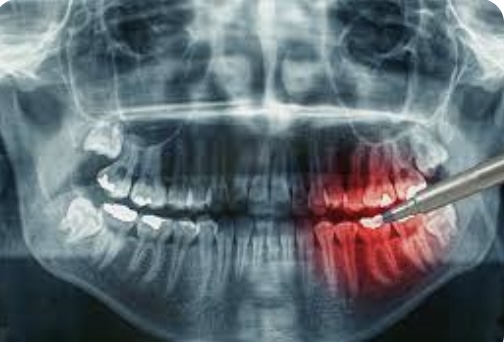
No one plans for a dental emergency, but when it happens, it can be stressful and even scary. Whether it’s a sudden toothache, a broken tooth, or any other dental issue, it’s important to know what to do when you can’t wait for an appointment. Here is some general information that might help.
First things first: Call your dentist
The first thing you should do when you experience a dental emergency is to call your dentist. Many dental offices reserve time slots for emergency cases, so they may be able to see you on the same day or even within a few hours. Dentist Fortitude Valley offers emergency dental services, and they will do their best to accommodate your needs.
If your dentist is not available or if you’re traveling, you can search online for emergency dentists in your area. There are also dental hotlines that you can call for advice, such as the Dental Emergency Service in Australia.
Managing the pain
Dental emergencies can be painful, and it’s important to manage the pain until you can see a dentist. Over-the-counter pain relievers such as ibuprofen or acetaminophen can help reduce pain and inflammation. However, be careful not to exceed the recommended dose, and if you have any medical conditions or take any medications, check with your doctor or pharmacist first.
You can also use a cold compress or ice pack to reduce swelling and numb the affected area. Wrap a towel around the ice pack and apply it to the cheek or jaw for 10-15 minutes at a time.
Toothache
Toothache is a common dental emergency, and it can be caused by a variety of factors, such as tooth decay, gum infection, or a cracked tooth. If you experience a toothache, rinse your mouth with warm salt water to reduce swelling and clean the affected area. You can also apply a cold compress or ice pack to the cheek or jaw to relieve pain.
Avoid putting any medication directly on the affected tooth or gum unless your dentist recommends it. Some medications can cause irritation or even damage to the tooth or gum tissue.
Broken or knocked-out tooth
If you have a broken or knocked-out tooth, try to find the tooth or the broken pieces if possible. Rinse the tooth or pieces with water, but do not scrub or clean them. If you can, try to put the tooth back into its socket, but do not force it. If you can’t reinsert the tooth, put it in a container of milk or saliva to keep it moist until you can see a dentist.
If you have a broken tooth, rinse your mouth with warm salt water to clean the area and avoid biting on the broken tooth. You can use dental wax or sugarless gum to cover any sharp edges that may irritate your tongue or cheeks.
Lost filling or crown
A tooth that has been damaged or decaying is repaired using a tooth-colored composite material, a dentistry treatment known as composite restoration or tooth-colored restoration. Many patients choose this kind of repair because it is more cosmetically pleasant than conventional silver amalgam fillings. You can know more about the best method for composite restorations here at Art Craft Dental.
If you lose a filling or crown, try to keep the affected tooth clean and avoid chewing on the side with the missing restoration. You can use dental cement or sugarless gum to cover the exposed area temporarily, but do not use regular chewing gum or other sticky substances.
Dental emergencies can be frightening, but knowing what to do can help you manage the situation until you can see a dentist. Remember to call your dentist as soon as possible, and follow their advice. If you experience severe pain, bleeding, or swelling, or if you have difficulty breathing or swallowing, seek medical attention immediately.
Final Thoughts
Dental emergencies can happen anytime, anywhere, and to anyone. It’s important to be prepared and know what to do when you can’t wait for an appointment. Remember to call your dentist as soon as possible, as prompt treatment can make all the difference in preserving your dental health and preventing further complications.

This comprehensive guide explores how receiving an IV drip at home can help restore vital energy and optimize long-term health. By opting for a specialized NAD+ IV drip administered in the comfort of your living room, individuals can support cellular rejuvenation, enhance mental clarity, and combat systemic fatigue without visiting a clinic.
Understanding NAD+ and Its Importance for Cellular Energy
Nicotinamide adenine dinucleotide, commonly known as NAD+, is a vital coenzyme found in every single cell of the human body. It plays a fundamental role in converting nutrients into cellular energy, supporting metabolic function, and repairing damaged cellular components. Without adequate levels of this essential compound, the body struggles to maintain optimal biological functions, leading to persistent physical lethargy, reduced mental performance, and accelerated signs of aging.
As time progresses, natural physiological processes and external stress factors lead to a steady decline in internal NAD+ reserves. Chronic stress, poor dietary choices, inadequate sleep, and environmental toxins further deplete these vital stores. Rebuilding cellular vitality becomes increasingly difficult through diet alone, which is why many individuals explore targeted intravenous solutions designed to replenish key nutrients efficiently.
The Mechanics and Benefits of Home Intravenous Therapy
Intravenous therapy delivers essential vitamins, minerals, and coenzymes directly into the bloodstream, bypassing the digestive system entirely. When oral supplements are consumed, a significant portion of the active compounds is broken down by stomach acids and liver metabolism, resulting in limited absorption rates. Intravenous administration ensures maximum bioavailability, allowing cells to absorb the necessary nutrients almost immediately.
Choosing an iv drip at home offers an unparalleled level of convenience and personal comfort. Instead of traveling through busy traffic, waiting in clinical waiting rooms, or adjusting a hectic schedule to fit medical appointments, individuals can receive high-grade wellness treatments in their preferred environment. This stress-free setting enhances relaxation during the session, allowing the body to rest deeply while receiving cellular support.
Why a Targeted Coenzyme Infusion Restores Vitality
A dedicated nad iv drip targets the root causes of physical exhaustion by delivering concentrated amounts of the coenzyme directly to where it is needed most. Once inside the bloodstream, it immediately goes to work supporting mitochondrial function—the power generators of human cells. By optimizing mitochondrial efficiency, the body can produce ATP (adenosine triphosphate) more effectively, resulting in sustained, natural energy without the crash associated with stimulants.
In addition to physical energy, this targeted infusion supports cognitive health and mental performance. Many individuals experience brain fog, difficulty focusing, and reduced problem-solving efficiency when cellular coenzymes are depleted. Direct supplementation helps clear mental fatigue, sharpens focus, and supports neuroprotective pathways, making it an excellent wellness option for busy professionals, aging adults, and those recovering from prolonged physical exertion.
What to Expect During a Mobile Wellness Session
A professional home therapy session is designed to be seamless, comfortable, and strictly aligned with medical safety protocols. Prior to treatment, a qualified healthcare professional evaluates the individual’s health background, current symptoms, and overall wellness goals. Once cleared, the practitioner sets up a sterile field in the comfort of the client’s home, ensuring that all equipment meets rigorous clinical sanitation standards.
During the session, a small needle is inserted into a vein, and the infusion begins slowly. Because coenzyme solutions require gradual administration to ensure complete comfort, the process typically takes anywhere from one to two hours. Clients can use this time to relax on the couch, read a book, watch television, or continue working remotely. Throughout the process, the visiting healthcare professional monitors vital signs and ensures a safe, soothing experience from start to finish.
Safety Considerations, Aftercare, and Sustaining Results
While mobile intravenous therapy is generally safe and well-tolerated, prioritizing professional expertise is essential. Treatments should always be conducted by licensed medical practitioners who adhere to strict safety guidelines, verify medical histories, and use sterile, single-use supplies. Individuals with chronic medical conditions, kidney issues, or heart disorders should discuss treatment options thoroughly with a medical specialist before scheduling an appointment.
After the session concludes, clients are encouraged to stay well-hydrated and maintain a balanced diet to prolong the benefits of the infusion. Most people report feeling an immediate sense of refreshed energy and enhanced mental clarity, while others notice progressive improvements over the following days. Combining regular treatments with healthy lifestyle choices, proper sleep, and balanced nutrition helps sustain long-term vitality and overall cellular wellness.
Conclusion
Restoring natural energy and optimizing health no longer requires sacrificing time or comfort. Utilizing an iv drip at home provides a convenient, effective method for delivering essential nutrients directly to the cells that need them most. Whether seeking to clear persistent brain fog, elevate physical performance, or support healthy aging, a customized nad iv drip delivers transformative cellular support right to your doorstep, helping you feel revitalized from the comfort of your own couch.
Read More: john castillo soberano

Understanding Plasma: The Liquid Gold of Your Body
The Science Behind Plasma: What Makes It So Special?
Plasma, constituting approximately 55% of total blood volume, is often referred to as the “liquid gold” of the body. Its golden color is derived from the various proteins and nutrients dissolved within it. Composed mainly of water (about 90%), plasma also contains essential proteins, hormones, electrolytes, and waste products. The most critical proteins, albumin, globulins, and fibrinogen, play pivotal roles in maintaining osmotic pressure, immune responses, and blood clotting, respectively. Plasma serves not only as a transport medium for these proteins and cellular components but also delivers vital nutrients and hormones throughout the body. The unique composition of plasma allows it to perform diverse functions that are integral to human health, making it an invaluable resource in the medical field.
The Role of Plasma in Health and Medicine
In the realm of healthcare, plasma has a multitude of applications. Its derivatives, known as clotting factors, are used in treating hemophilia, a condition that impairs the body’s ability to control bleeding. Moreover, immunoglobulins extracted from plasma are vital in fighting infections and boosting the immune system in immunocompromised patients. Intravenous immunoglobulin therapy is used for patients with autoimmune diseases, helping to modulate and stabilize the immune response. Plasma donation is also crucial in developing therapies for conditions like burns, shock, and trauma, making it a lifeline in critical care situations. The ability to harness the properties of plasma for medical interventions underscores its significance, highlighting the urgent need for plasma donors to support these life-saving treatments.
Myths vs. Facts: Common Misconceptions About Plasma
Despite its importance, there are several myths surrounding plasma donation that can deter potential donors. A common misconception is that donating plasma is painful and excessively time-consuming. In reality, while there is a slight discomfort associated with the initial needle insertion, many donors report that the process is only minimally uncomfortable and takes between 45 minutes to an hour. Another myth is that plasma donation and blood donation are the same; however, they differ significantly. Plasma is extracted via a process called apheresis, where blood is drawn, the plasma is separated, and the remaining components are returned to the donor. Additionally, there is a fear that donating plasma might deplete vital nutrients. On the contrary, the body regenerates plasma rapidly, usually within 24-48 hours, and as a result, regular donation can contribute to a healthy lifestyle. Dispelling these misconceptions is essential for encouraging participation in plasma donation, a vital act that can save lives.
Becoming a Plasma Donor: Your Step-by-Step Guide
Eligibility Requirements: Are You Ready to Roll Up Your Sleeves?
Before you roll up your sleeves to donate plasma, it’s essential to understand the eligibility criteria established by various health organizations. Generally, donors must be at least 18 years old and weigh a minimum of 110 pounds (50 kg). This helps ensure that the donation is safe for both the donor and the recipient. Potential donors must also pass a medical screening, including a health history questionnaire and physical examination, to check for conditions that might disqualify them from donating, such as certain chronic diseases or recent infections. Additionally, individuals with a history of drug abuse or multiple sexual partners may face restrictions. It’s vital for potential donors to be honest during the screening process, as this ensures their safety and that of those receiving the plasma. Being aware of these requirements prepares individuals for the process and encourages a higher rate of successful donations.
The Donation Process: What to Expect When You Donate
Understanding the donation process can significantly alleviate any apprehensions about plasma donation. When you arrive at a plasma donation center, you’ll first check in and complete a detailed health questionnaire. Once your eligibility is determined, you’ll undergo a brief physical examination where healthcare professionals will check your heart rate, blood pressure, and hemoglobin levels. If you qualify, you’ll be seated comfortably in a donation chair, and a healthcare provider will clean your insertion site and insert a sterile needle into your arm. The apheresis machine then draws your blood, separating the plasma from other blood components. This process typically lasts 30 to 45 minutes, during which you are encouraged to relax, perhaps watching a movie or browsing the internet. After the donation, you’ll receive fluids and snacks to help replenish your energy. The professionalism and care exhibited throughout the process ensure that it is both safe and efficient, reinforcing the vital role each donor plays in saving lives through their generous contributions.
Preparing for Your Donation: Tips for a Smooth Experience
Preparation is key to ensuring a smooth plasma donation experience. Staying hydrated in the days leading up to your donation is crucial, as it helps increase blood volume and makes the vein selection process much easier. Drinking water, avoiding salty foods, and ensuring you have a balanced meal before your appointment are essential tips. Additionally, it is advisable to avoid alcohol and strenuous physical activities for 24 hours prior. Wearing comfortable clothing that allows easy access to your arms can also make the experience more comfortable. Bringing a book or music can help distract you during the donation process. Finally, don’t hesitate to ask the staff any questions you have about the procedure; they’re trained to support you and ensure your experience is as pleasant as possible.
The Impact of Plasma Donation: Changing Lives One Drop at a Time
Real Stories: How Plasma Donations Save Lives
The impact of plasma donation can be profoundly illustrated through real-life stories. For instance, consider a young boy named Alex suffering from hemophilia, who relies on clotting factor derived from plasma to lead a normal life. Due to the dedication of volunteer donors, Alex can participate in school activities and spend time with friends without constantly fearing severe bleeding incidents. Another inspiring example is that of Janet, a burn survivor. After a tragic accident that left her with extensive injuries, Janet was able to receive life-saving treatments that included plasma-derived therapies. The collective contributions of thousands of plasma donors nationwide ensure that stories like Alex’s and Janet’s become possible. These narratives emphasize the critical need for plasma donors, illustrating how one person’s act of generosity can create ripples of hope and healing across countless lives.
The Blood Plasma Shortage: Why Your Contribution Matters
As the demand for plasma-derived therapies continues to rise, so does the urgency to replenish the supply. According to recent studies, the United States is facing a significant blood plasma shortage, exacerbated by the increase in autoimmune and rare diseases that require ongoing treatments. Each year, millions of patients rely on these treatments, with around 70% of plasma being used to treat chronic and complex conditions. The current supply chain challenges mean that many therapies are at risk of being disrupted, threatening the health and lives of those who depend on them. By donating plasma, you play a vital role in combating this shortage, ensuring that hospitals have access to the necessary resources to treat patients effectively. Your contributions can literally mean the difference between life and death for individuals waiting for essential therapies.
You’re Not Just Giving: The Health Benefits of Donating Plasma
While the primary motivation for donating plasma is to help others, it also offers notable health benefits for the donor. Studies have shown that regular plasma donation can lead to improved cardiovascular health and lower blood pressure. The act of donating promotes the rapid regeneration of new plasma, stimulating the body’s natural processes and encouraging overall health. Additionally, many donors report feeling a sense of accomplishment and fulfillment from contributing to the greater good, which can enhance mental well-being. Donating plasma can also serve as a gentle reminder for individuals to maintain healthy lifestyles, as eligibility often requires donors to be in good health. This mutual benefit reinforces the notion that plasma donation is indeed a win-win scenario—supporting both the health of the recipient and the donor.
Getting Involved Beyond Donation: Join the Plasma Community
Advocacy and Awareness: Spreading the Word About Plasma Donation
Supporting plasma donation extends beyond just the act of giving; it’s also about raising awareness and advocating for its importance within your community. Advocating for plasma donation can take many forms, from participating in local awareness campaigns to hosting informational sessions. By sharing your experiences and the benefits of plasma donation, you can inspire others to join the cause. Utilizing social media platforms to share stories, statistics, and personal motivations can significantly impact public perception of plasma donation and its critical role in healthcare. Informing friends and family about local donation centers, or even organizing group donations, can create a community spirit around plasma donation, fostering a culture of giving that extends far beyond individual contributions. Your advocacy efforts can contribute to a more informed and engaged community, ensuring larger support for plasma donation initiatives.
Volunteering and Fundraising: How to Make a Broader Impact
Beyond donating plasma, there are numerous ways to support the cause through volunteering and fundraising efforts. Many plasma donation centers rely on volunteers to assist with logistics, educational outreach, and community events, providing a flexible opportunity for individuals to contribute based on their availability and skills. Fundraising initiatives, such as creating campaigns to support local donation centers or organizing charity runs, can raise awareness while also generating funds for essential operations, such as equipment purchases and community outreach programs. Collaborating with local businesses to sponsor events or challenges can amplify your efforts while building strong community partnerships. By leveraging your unique talents and resources, you can significantly enhance the visibility of plasma donation efforts, ultimately leading to a more robust donor base and increased support for life-saving therapies.
Resources for Donors: Connecting with Plasma Donation Centers
Connecting with your local plasma donation center is essential for making the most out of your donation experience. Many organizations have established websites where potential donors can find information about eligibility requirements, the donation process, and upcoming events. Utilizing resources such as the American Red Cross or the Plasma Protein Therapeutics Association can provide additional insights into where and how you can get involved. Additionally, social media groups and community forums can serve as platforms for donor experiences, peer support, and educational resources. Many centers also offer workshops and informational seminars aimed at educating prospective donors about the plasma donation experience and its importance in the medical field. Taking advantage of these resources not only enriches your understanding but also strengthens the plasma donation community as a whole.
Read More: Jacqulyn Elizabeth Hanley

Millions of people grapple with seasonal or year-round allergies, often turning to supplements to complement conventional treatments. With a growing range of products targeting those whose noses can never rest, hoping to finally get some relief, they often come away disappointed after stumbling upon ineffective formulations. Professional-grade supplements, though—those designed for immune system support and reducing histamine responses—stand out in terms of effectiveness. The trick is to understand how to choose the right bottle.
How Supplements Can Help with Allergies
Allergies start to rear their ugly heads whenever the immune system overreacts to harmless substances, releasing histamines in the process that trigger symptoms like sneezing, itching, or nasal congestion. While antihistamines are the easiest and most approachable way of dealing with this problem, supplements also propose a viable, holistic solution.
- Immune Health Support: Ingredients like quercetin and bromelain help stabilize mast cells, reducing histamine release.
- Histamine Balance: Vitamin C and specific herbal extracts can naturally reduce histamine activity.
- Improves Respiratory Wellness: If you pick a supplement with anti-inflammatory properties, using it can ease airway irritation and congestion.
Key Ingredients to Look For
For those who frequently suffer from allergies, reading the above list alone probably gave you some relief. Don’t worry, we’ve got actual tips here, too, alongside a list of ingredients that can help you ease some of the worst symptoms:
- Quercetin: A flavonoid that calms histamine release and offers antioxidant support.
- Nettle Leaf: Historically used for allergy relief, it helps regulate immune responses.
- Vitamin C: The generic and often underestimated vitamin C also acts as a natural antihistamine.
- Probiotics: These promote gut health, which plays a vital role in overall immune function. Certainly not a must, but a nice-to-have any day!
- Bromelain: Extracted from pineapple, it has anti-inflammatory effects that are beneficial for sinus health.
All combined, these ingredients act synergistically to address the root causes of heavy allergic reactions rather than merely masking symptoms.
Quality Above All: Why Source Matters
Fanciful claims and promises of extraordinary results are one thing. Actually delivering on said promises is another. The unfortunate truth about the current supplement market is that separating fairytale items from the quality players is often more difficult than it should be. After all, it’s your health we’re talking about; there should be no room for smoke and mirrors here.
Regardless, selecting high-quality products from trusted providers ensures potency and safety. Individuals seeking relief should only turn to professional-grade products. Otherwise, you’re likely throwing money down the drain.
Professional-grade products are often:
- Clinically Tested: Backed by research that confirms their efficacy.
- Hypoallergenic: Free from common allergens, like gluten, soy, and dairy, to not exacerbate your issues further
- Free of Contaminants: Manufactured with rigorous quality controls.
With how debilitating and infuriating dealing with your allergic reactions can get, buying cheap simply doesn’t make that much sense. Quality allergy products that are able to actually grant you some much-needed relief are worth all the money in the world, and then some.
The Takeaway
Quality and the right formulation are paramount when it comes to allergies. Opting for professional-grade products tailored to allergy relief can make managing symptoms more effective. If there’s a lesson to be learned here, it’s to take good care of yourself, and prioritize your health any way you can!


Revitalize Your Energy from the Couch: The Complete Guide to NAD+ IV Drips at Home
This comprehensive guide explores how receiving an IV drip at home can help restore vital energy and optimize long-term health....


How to Shop Leister ST Tools for Plastic Fabrication
Professionals who shop Leister ST tools are looking for dependable hot-air equipment for plastic fabrication, repair and maintenance tasks. Leister’s...


Simplifying Your Auto Transport Process: A Complete Auto Shipping Guide for Stress-Free Vehicle Transport
Introduction Shipping a vehicle for the first time can feel like navigating a maze of logistics, terminology, and unfamiliar choices....


Mobile Gambling vs the Full Desktop Casino Experience
Online casino games are no longer tied to one kind of screen. Some players prefer opening a full casino site...


The 10 Best AI Image to Video Generators of 2026
Transforming static visual assets into high quality video motion is no longer a complex task reserved for specialized visual effects...


The Art of Modern Food Storage: Mastering Kitchen Organization and Ingredient Freshness
Maintaining an organized and efficient kitchen is one of the most rewarding home habits a person can build. Food storage...


Why Low-Profile Folding Chairs Are the Ultimate Road Trip Hack
Imagine driving for three hours along a winding coastal highway. The sun is starting to dip, and you spot a...


Design Meets Innovation: The Hottest Trends in Custom Trade Show Exhibits for 2026
As businesses look to reach prospects in new, interesting, and memorable ways, trade shows are evolving too. Exhibit spaces are...


Wardrobe Hangover: Why You Keep Buying Clothes You Don’t Wear
The Quiet Shame Hanging in Your Closet Open your wardrobe right now. Look at it honestly. How many pieces in...


The Outfit That Speaks for Itself: Zach Bryan Merch, Parke, and Rolex Replica Every Day
Getting Dressed Should Feel Like a Decision, Not a Default Every morning, you choose what to wear, even when it...






Assessing the Chances of South Africa at the World Cup

Designs that Support Longevity in Online Gambling Platforms

Custom Tent Buying Guide: Key Features to Look for in a Durable Branded Display

Why Stability Matters: Navigating the Choice to Move Fostering Agencies

Understanding Stairlifts in the Home

Do Infants Sleep More When Teething? Understanding Sleep Patterns During Teething
-
 Biography7 years ago
Jacqulyn Elizabeth Hanley is the Mother of Liza Soberano?
-
Biography7 years ago
Amanda Levy Mckeehan Biography, Family, Net Worth, Age, Affairs, Facts
-
Home6 years ago
Epson L3110 Driver Free Download Latest Updated Version
-
Games5 years ago
Best Free To Play MMORPG To Try This 2021
-
Biography7 years ago
Who is Rose Dorothy Dauriac? Scarlett Johansson Daughter?
-
Home7 years ago
Liza Soberano Biography, Age, Family and Boyfriends
-
Biography7 years ago
Jessica Ditzel Secret Information that Nobody Knows | Joe Rogan’s Wife
-
Biography7 years ago
What is the relation of Nathaniel Larry Osorno with Liza Soberano?