Life Style
Air Purifier vs Humidifier Which One Do You Need


Air Purifiers and humidifiers can equally impact the air you breathe into your home, but they all serve a different function with unique advantages. If you’re searching for tactics to assist with allergies, respiratory symptoms, or dry climate conditions, or when you wish to create a healthier home environment for the infant, you need to understand the differences between an air conditioner and a humidifier, and how to use all effectively.
This topratedbuyerguides article, explains how each gadget functions and the best approaches to utilize them safely, in addition to whether you ought to use an air purifier or a humidifier in various scenarios.
What’s the distinction between an air purifier and a humidifier?
An air conditioner is used to clean the air by removing or “inactivating” pollutants from the air. Both basic components of an air conditioner are a fan and also a filter surface, although the particular filtration technology may vary, from conventional HEPA filters to ionizers to brand-new PECO technologies. In most air compressors, the air is passed through the machine, pollutants have been trapped or removed on a filter and a clean atmosphere is emitted back into the room. Air purifiers don’t include any moisture in the air.
A humidifier, on the Other hand, does not clean the atmosphere. It simply adds water to the atmosphere by boiling water to vapor, vibrating water droplets to the air with ultrasonic technology, or by simply evaporating the water using a lover and a wick. Be aware that ultrasonic humidifiers may also introduce little mineral particles to the air if tap water is used instead of distilled water. The EPA recommends using soapy water and regular cleaning and disinfecting your humidifier.
How do air purifiers and humidifiers affect your health?
Air purifiers and Humidifiers have different effects on air quality which may impact our health. Here are some of the most frequent states:
Infection and Allergies
Some air Purifiers are designed to reduce allergens in the atmosphere, including dust mites, pet dander, pollen, or mold spores. A lot of people who suffer from asthma or allergies use an air conditioner to reduce their exposure to such triggers. These allergens are completed particles drifting in the air, often so tiny they become suspended for hours at a time. Standard air filters catch these contaminants, whereas the Molecules air purifier is the only technology that may effectively ruin allergens.
Humidifiers, on another hand, have no impact on flu levels. Instead, they might help symptoms feel much less severe in case your sinus passages are irritated and dry. Be aware that humidifiers do not reduce asthma or allergy symptoms, and they may even raise the chance of asthma and allergies (Svendsen, Gonzales & Commodore, 2018). Additionally, in case a humidifier is not properly cleaned, it can develop mold and present mold spores into the atmosphere, triggering allergies and asthma symptoms.
Colds, Influenza and Respiratory Irritation
Common air compressors capture particles from the air, although some particles which carry viruses are so modest that they can pass through regular air filters. Though an air purifier cannot assist a current cold, it may alleviate your symptoms by removing other respiratory problems from the atmosphere.
Based to The NIH, a humidifier might help relieve a stuffy nose and the discomfort of colds or influenza. The perfect amount of humidity can also provide a protective benefit of viruses. According to much research (Lapidus et al., 2013), increasing the humidity in the atmosphere to a range of 40-60 percent lowers the infectiousness of viruses. It’s also important to understand that a humidifier can’t heal you after you are already ill, but can cause symptoms less depressed by preventing dry, scratchy nose and throat.
Dry Atmosphere
A melody Purifier does not add moisture to the atmosphere, therefore it will not help with too dry air, which can exacerbate a range of respiratory ailments, including asthma, bronchitis, and sinusitis.
A humidifier raises the moisture in the atmosphere, thereby increasing relative humidity and improving dry atmospheric conditions. When the air is too dry, often during winter when the heater is on, it may irritate your throat and nose.
Air Purifier vs Humidifier: Which works better for different conditions?
An air conditioner or a Humidifier may be better than the other in various circumstances.
For Baby
A humidifier may be better in the nursery if the major problem is the dry atmosphere, and as stated above it can prevent dry, scratchy nose and throat. The FDA states that having a cool-mist humidifier might help infants who’ve cold and cough symptoms, by shrinking nasal passages and helping them breathe more easily. But a warm mist humidifier shouldn’t be used, because it may have the opposite effect by inducing nasal passages to swell, making breathing harder. When humidifiers are used to maintain an ideal relative humidity of 40 to 60 percent, they’re also able to decrease the infectiousness of germs and viruses.
For long-term air Quality, an air purifier can reduce pollutants from the air, including possible toxins from tobacco smoke, and “out-gassing” plastics, allergens, and asthma triggers like mold spores or pet dander and pollen, and other possible respiratory irritants. This creates an air conditioner a better choice for a kid’s room year-round.
For allergens
An air purifier can help reduce allergens levels in the atmosphere. A unit using a HEPA filter will help trap particles, although the Molekule technology extends beyond that by destroying allergens in the atmosphere.
For Infection
A humidifier can ease asthma symptoms when warm air can also be a problem, but it does not affect asthma and higher humidity levels are associated with asthma attacks since they can activate the growth of harmful bacteria, dust mites, and mold [Mayo Clinic]. Since asthma attacks are most often triggered by pollutants in the air, an air conditioner that can get rid of those pollutants is much better for asthma.
Remember that a Humidifier has to be kept tidy, ideally permitted to wash, and also be wiped down every couple of days after use. Otherwise, mold may form inside or around the humidifier, and it will then emit mold spores into the air, triggering the sorts of allergies or asthma attacks you need to avoid.
Can I use both an air conditioner and humidifier collectively?
Since both an atmosphere Vacuum and also a humidifier perform completely different functions (eliminating pollutants from the air as opposed to adding moisture into the atmosphere ), they can be used together, also in the same room. But you should avoid placing them too close together since the moisture from the humidifier can clog filters or limit the power of the air purifier. As an example, if a HEPA filter were to be consistently damp since the output signal of a humidifier was directed into it, the dampness could encourage the growth of mold or bacteria within the filter. This can be averted by placing them at opposite ends of this space.
To operate effectively, both the air purifiers and humidifiers have to be suitably maintained. For a flavor, this means frequent cleaning. Also, it is very important to use distilled water with ultrasonic humidifiers to prevent adding mineral particles into the atmosphere, which might be damaging to your lungs, particularly those of young children and babies (Daftary & Deterding, 2011). For an air purifier, upkeep mostly means replacing filters regularly.
Final Thoughts
The Molekule atmosphere Purifier is a long-term alternative for indoor air quality inside your home, to provide the help you and your family breathe clean air year-round. While a humidifier is frequently used on a short-term foundation when the air is too dry or a relative has a Cold, an air conditioner can be used every day to decrease allergen and other Pollutant levels from the air. Unlike conventional air filters which just grab Pollutants on filters, the more Molekule Air purifier destroys germs, airborne substances, and allergens Such as mold, pollen, and dust mites, providing clean air to you and your family.

Key Takeaways
Professional moving and storage services can reduce the stress and physical demands associated with relocation.
Expert movers use organized planning, specialized equipment, and efficient processes to make moving faster and more manageable.
Storage solutions provide flexibility when there is a gap between moving out and moving into a new home or workplace.
Secure and specialized storage options help protect belongings while giving clients more control over their relocation timeline.
Customized moving plans, transparent pricing, and clear communication can create a smoother and more personalized relocation experience.
1. Reducing the Stress and Physical Demands of Relocation
Moving can be exciting, but the process itself often involves considerable planning, packing, lifting, transportation, and unpacking. Trying to manage everything alone can quickly become overwhelming.
Professional moving services can take many of these responsibilities off the client’s shoulders. Experienced teams know how to organize the process, handle heavy belongings, and coordinate transportation efficiently. This allows clients to spend more time focusing on settling into their new home or workplace instead of worrying about every logistical detail.
Professional assistance can help with:
- Packing and organizing belongings
- Loading and unloading heavy items
- Transportation and delivery
- Furniture disassembly and reassembly
- Coordinating the overall moving schedule
By delegating demanding tasks to trained professionals, clients can experience a more structured transition with less physical and mental strain.
How Professional Planning Creates Peace of Mind
Organization plays an important role in reducing relocation stress. Professional movers can create detailed plans and checklists that account for important tasks before, during, and after moving day.
A well-planned move helps prevent forgotten belongings, unnecessary delays, and last-minute confusion. Instead of reacting to problems as they arise, clients can follow an established process designed around their specific moving requirements.
2. Making the Moving Process More Efficient
Efficiency is another major way professional moving services can transform a relocation. Moving involves many individual tasks, and completing them without a clear system can consume significant time.
Experienced moving teams use established procedures, specialized equipment, and coordinated workflows to make each stage more efficient. Their experience allows them to anticipate common challenges and organize tasks according to the property’s layout, inventory, and schedule.
A typical professional approach may include:
- Initial assessment of the move
- Inventory and organization of belongings
- Customized packing strategies
- Loading and transportation planning
- On-site coordination
- Unloading and placement at the destination
Using Specialized Tools and Technology
Modern moving companies may also use technology to improve efficiency. Digital inventories, tracking systems, and scheduling tools can make it easier to monitor belongings and communicate important updates.
These tools can provide greater visibility throughout the relocation process. When clients know where things stand, they can better coordinate other responsibilities associated with moving.
The result is a relocation experience that feels more organized rather than chaotic.
3. Providing Flexible Storage During the Transition
Not every relocation follows a simple schedule. Sometimes a new home is not ready when the current property needs to be vacated. Other situations may require temporary storage while renovations, closing dates, or other arrangements are completed.
This is where moving and storage services can provide valuable flexibility. Combining transportation with storage gives clients an option for managing their belongings when there is a gap between locations.
Instead of rushing to move everything into a new space, clients can temporarily store items and move them when the destination is ready.
Short-Term Storage for Temporary Needs
Short-term storage can be useful for people dealing with:
- Delayed closing dates
- Home renovations
- Temporary housing
- Downsizing
- Staggered move-in schedules
- Changes in relocation plans
Having access to temporary storage can reduce pressure and give clients more control over their timeline.
Long-Term and Specialized Storage Options
Some clients may need storage for several months or longer. Others may have belongings that require special conditions.
Depending on the provider, storage options may include:
- Climate-controlled storage:Suitable for temperature-sensitive belongings such as electronics, artwork, and wooden furniture.
- Mobile storage:Convenient for clients who prefer to load belongings at their own pace.
- Secure storage facilities:Designed to provide controlled access and additional protection for stored items.
Having different storage options makes it easier to create a relocation plan that fits individual circumstances.
4. Protecting Belongings While Maximizing Space
Storage isn’t simply about finding somewhere to put extra belongings. It can also help clients manage space more strategically during a move.
A temporary storage solution can prevent a new home from becoming overcrowded with boxes and furniture. It can also make it easier to organize belongings gradually instead of trying to unpack everything at once.
What to Look for in a Secure Storage Facility
Security should be an important consideration when choosing a storage solution. Clients should evaluate the features and policies provided by the facility before placing valuable belongings in storage.
Important features may include:
- 24/7 surveillance
- Controlled facility access
- Secure entry systems
- Appropriate storage conditions
- Insurance or protection options
- Clear policies regarding access and stored property
Climate control can be particularly useful for belongings that may be affected by significant temperature or humidity changes.
Making the Most of Available Space
Storage can also support better organization. Clients can separate essential items from belongings they do not immediately need, making it easier to focus on the most important parts of the move.
This approach can make unpacking more manageable and allow clients to arrange their new space gradually.
5. Creating a Personalized and Cost-Effective Relocation Experience
Every move has different requirements. A small apartment relocation may require a completely different strategy from a large household or commercial move.
Professional moving providers can help clients develop a plan based on their specific inventory, schedule, property, and budget. This personalized approach can improve efficiency while helping clients understand exactly what services they are paying for.
Choosing the Right Moving Package
Moving packages can vary considerably between providers. Some may include basic transportation, while others may offer packing, unpacking, storage, furniture assembly, or other services.
Before choosing a package, clients should determine which services they actually need.
Consider asking about:
- Packing and unpacking services
- Transportation costs
- Storage fees
- Furniture disassembly and reassembly
- Special handling for fragile or oversized belongings
- Insurance and protection options
- Additional charges or potential fees
Understanding these details in advance can make budgeting easier and reduce unexpected costs.
Communicating With the Moving Team
Communication can significantly influence the relocation experience. Clients should discuss their priorities, concerns, schedules, and special requirements with the moving team before the move begins.
Helpful communication practices include:
- Scheduling an initial consultation
- Providing an accurate inventory
- Explaining special handling requirements
- Confirming the moving timeline
- Asking questions about storage and transportation
- Maintaining communication as the move date approaches
When both sides understand the plan, the relocation can proceed with fewer misunderstandings a
Useful Resources
- American Moving and Storage Association
- National Association of Senior Move Managers
- Consumer Reports
- AARP
- Oldcastle
- National Storage
- S. Department of Housing and Urban Development
- Moving Helper
- Angie’s List
Read More: jacqulyn elizabeth hanley

A tent is much more than a practical shelter in the competitive nature of the events held at the trade show, exhibitions, and outdoor promotions. It is used as a brand anchor, a visual identification, and a place where first impressions are created. Even before a discussion occurs, the tent’s first impression conveys credibility, consistency, and professionalism. When choosing the right printed pop-up tent, it is necessary to consider durability, usability, and branding opportunities, particularly when tents are to be used for a variety of activities and under different conditions. It is always worth investing in the correct features to have a branded display that is visually appealing, structurally sound, and economical in the long run.
Five Key Features to Look for in a Durable Branded Tent

- Purpose-Driven Design and Layout, Especially for Custom Food Booth Applications
The initial item when purchasing a custom tent is the use of the space. The layouts of various events require different designs and purposes, which directly influence durability and functionality. In a design like a custom food booth, the design criteria are not limited to branding, but it must also be practical, meaning it has to consider such aspects as ventilation, serving counters, the flow of the interior, and adherence to the hygiene standards.
Food service tents tend to be reinforced to accommodate food service accessories such as shelving, lighting, or menu boards. Open-wall designs, half walls, or roll-up panels enhance accessibility but retain the structure. Purchasing a tent based on its intended use makes the use less straining on the materials and makes the structure reliable in terms of its repeated usage. An arrangement that facilitates efficient operations also makes the tent practical and appealing, thereby improving visitors’ experience.
- Frame Construction That Prioritizes Strength and Longevity
Any long-lasting tent is anchored by the frame. Frames of high quality are generally made of commercial-grade aluminum or steel, each with its own benefits. The frames made of aluminum are light in weight and can be transported easily since they are resistant to corrosion and can be easily set up frequently. Steel frames provide an added advantage in terms of strength and stability, especially in high-wind conditions or during long events.
Features such as reinforced joints, locking mechanisms that prevent collapse, and finishes that do not rust and are not subject to wear are key indicators of a durable frame. An effective frame structure ensures long-term stability, minimizing wobbling, sagging, or misalignment. Frame construction is also strong, so that branding elements are always taut and visually sharp even after many assemblies and disassemblies.
- High-Quality Canopy Fabric and Print Durability
The fabric is significant in both the length of use and the way it looks. Protective-coated commercial-grade polyester is the choice for branded tents because it is strong, flexible, and weather-resistant. Find materials that have the following features: UV protection, waterproofing, and tear resistance.
The quality of printing is also a matter of concern. The dye-sublimation or high-resolution printing techniques are used to make sure that colors will not fade, and that graphics will not fade away. The reinforced seams, the doubled stitching, and the edge binding help in preventing the fraying and increase the life of the fabric. The presence of durable fabric preserves the structure underneath and makes branding remain smooth and professional-looking even in different events.
- Branding Versatility and Customization Options
A long-lasting tent must be flexible as well. Designs and branding requirements tend to change, and a strict design can restrict long-term functionality. The same tent structure can be adapted to different campaigns or event formats through modular customization options, including replaceable sidewalls, removable and adjustable graphics, and adjustable valances.
The use of versatile branding means that the tent can be updated without having to change the whole tent. Such malleability guards against the values of investments and visual relevance. The visibility of logos, messaging, and color blocks is maximized through strategic placements to ensure the tent functions as a real brand rather than a stationary exhibit.
- Ease of Setup, Transport, and Long-Term Maintenance
One does not look only at durability in terms of material but also at how the tent is treated over the long run. Multi-layered constructions pose a greater risk of damage during the assembly process, with heavy parts straining machinery and personnel. The tent uses easy-to-use mechanisms, labeled components, and a uniform weight distribution to minimize errors during setup and use.
Between events, the materials are safeguarded by compact storage cases, protective bags, and dimensions favorable for transportation. Long-term durability also depends on such factors of maintenance as ease of cleaning, the presence of spare parts, and precise instructions on care. A tent that is easy to manage will take less time to handle appropriately, and this increases its life span as well as saving on the visual impressions.
End Point
A decision to purchase a branded tent that will last longer than other tents goes beyond picking a beautiful design. Intentional design, good frame structure, high-quality cloth, flexible branding, and efficient management are among the factors that lead to long-term performance and value. A properly selected custom tent is a safe marketing tool that provides the brand with consistent visibility in a variety of settings. With such features in place, companies can make their tent investment robust, appealing to the eye, and functional day in and day out.

Knowing how teething impacts an infant’s sleep is actually pretty crucial if you’re trying to get through those rough patches. This phase? Definitely a rollercoaster for babies—and their parents too. You might wonder, do infants sleep more when teething, or does all that fussiness keep them up way past their bedtime? It kind of depends, but understanding the bigger picture can really help you be there for your little one in the best way possible. This article explores what you might expect when your infant is teething and offers a few tips, like strategies to comfort your little one and introducing devices like the top-rated nursing pillows to soothe them when sleep becomes tricky.
Defining the Typical Symptoms of Teething
Before we get into the nitty-gritty of sleep changes, it’s important to know what to look for when your baby is cutting those first teeth. Not all babies show the same signs, and sometimes it’s subtle stuff. But usually, you’ll notice:
- Increased drooling that just won’t quit
- Chewing on everything—fingers, toys, maybe even their own blanket
- Irritability that makes them cranky for no obvious reason
- Slight swelling or redness on the gums around the emerging teeth
- A mild temperature spike—nothing too worrying, but enough to tell you something’s up
These symptoms often make your baby super uncomfortable, which can totally throw off their usual sleeping rhythm.
Why Pain and Discomfort Usually Disrupt Sleep
Here’s the deal: teething hurts. Like, a lot for tiny mouths. And you know how uncomfortable gum pain can be—it’s no joke for infants who have zero way to express it other than crying or fussing. This pain often wrecks their sleep more than anything else. They might have trouble falling asleep or keep waking up throughout the night. Why? Well:
- Gum soreness just won’t let them get comfy—waking up every hour or so is common
- When they’re irritable, soothing becomes a tougher game for parents
- Pressure on those tender gums makes them restless, even during naps
So yeah, instead of sleeping more, most babies end up sleeping less or getting poor-quality sleep during teething phases.
The Less Common Scenario: Exhaustion Leading to More Sleep
Now, get this—while many babies lose sleep when teething, some actually sleep more. Weird, huh? But it kind of makes sense if you think about it. The pain tires them out, so they crash harder than usual. Here’s why that might happen:
- Physical exhaustion from trying to cope with pain can take a toll
- Their bodies might need extra rest to help heal and handle the discomfort
- They’re less active during the day, so they nod off for longer naps or sleep in stretches
So if your baby suddenly starts sleeping more during teething, don’t worry—it’s pretty normal. Just keep an eye on overall behavior to make sure everything else is okay.
Distinguishing Teething Sleep from Illness-Related Sleep
One tricky part? Figuring out if sleep changes are just from teething or something more serious—like an illness. Because yeah, some teething symptoms kind of overlap with mild sickness. How can you tell the difference? Pay attention to:
- High fevers above 100.4°F (or 38°C) — teething might cause a tiny temp increase, but a real fever is usually not from teething
- Vomiting or diarrhea that won’t stop
- A rash that looks unusual or is spreading
- Extreme lethargy where they’re just not acting like themselves at all
If you spot these signs alongside sleep changes, better to check in with your pediatrician just to be safe. Teething rarely needs medical attention beyond home comforts.
Strategies for Comforting the Teething Infant at Night
Alright, so what can actually help soothe your baby and maybe get everyone some better sleep? A few simple tricks, actually:
- Gently rub or massage baby’s gums with a clean finger or give them a chilled teething ring to gnaw on—but not frozen solid, that can hurt more
- Use a soft, cushy top rated nursing pillows to support them during feeding and even rest times—keeps their jaw relaxed and comfy
- Stick to a calm, predictable bedtime routine; babies thrive on that kind of stability even when everything else feels off
- If your pediatrician OK’s it, consider using baby-safe pain relief like infant acetaminophen—but just as a last resort, you know?
Following these suggestions makes a difference, making nights less dreadful for both you and the infant.
Maintaining Consistency in the Sleep Routine
Honestly, consistency is king—especially when teething throws a wrench in your baby’s usual sleep schedule. Here’s how to keep things steady:
- Set firm but gentle bedtime and nap times. Stick to ‘em as much as humanly possible.
- Make the sleeping environment super chill—soft lights, quiet or white noise, and comfy temp.
- Some babies respond well to soothing sounds or lullabies—give it a shot if you think it could help.
- Be patient and kind during those restless nights. Night wakings are normal, just don’t let frustration take over.
The steadiness helps babies feel safe even if the teething pain is messing with their zzz’s.
When to Consult a Pediatrician About Extreme Sleep Changes
Sometimes (thankfully, not often), teething causes severe sleep troubles that just won’t quit. And it’s crucial to know when to get medical help. Reach out to your healthcare provider if:
- Sleep disruptions are severe and last for days without any sign of easing
- There’s a really high fever or signs of infection
- Your baby is unusually cranky to the point of refusing to eat or drink anything
Talking with a pediatrician can give you peace of mind and maybe some extra tools for helping your baby through this tough patch.
Conclusion
So, about the big question—do infants sleep more when teething? The truth is, it’s kinda a mixed bag. Most babies tend to lose sleep because of the discomfort. But some, probably the more exhausted ones, might actually sleep extra to cope. Recognizing the typical symptoms and knowing what to expect from teething sleep changes empowers you as a parent or caregiver. Using comforts such as top rated nursing pillows and sticking to gentle routines helps make this challenging time easier for both you and your baby. And remember, if anything feels off beyond normal teething fuss, don’t hesitate to get professional advice. Your baby’s comfort—and your sanity—are worth it.


Why Response Time Matters During Property Emergencies
In almost every category of property emergency, there’s a direct, measurable relationship between how quickly a response begins and how...


Best Image-to-Video Tools for a Trade Show Product Still
The photograph on the booth wall is already finished. A clip made from it is a new shot, for a...


The Health Skills That Matter Most During Emergencies
Picture this: You’re enjoying a family dinner when someone suddenly begins struggling to breathe. Conversations stop, chairs scrape against the...


Ranking sports to bet on from easiest to hardest
Anyone who already spends weekends watching football has a head start before opening a sportsbook. You know what a corner...


5 Ways Moving and Storage Can Transform Your Relocation Experience
Key Takeaways Professional moving and storage services can reduce the stress and physical demands associated with relocation. Expert movers use...


Revitalize Your Energy from the Couch: The Complete Guide to NAD+ IV Drips at Home
This comprehensive guide explores how receiving an IV drip at home can help restore vital energy and optimize long-term health....
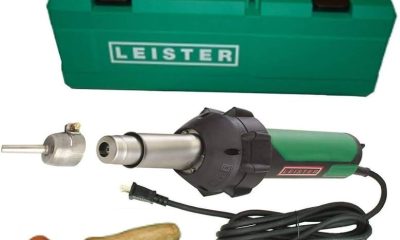

How to Shop Leister ST Tools for Plastic Fabrication
Professionals who shop Leister ST tools are looking for dependable hot-air equipment for plastic fabrication, repair and maintenance tasks. Leister’s...


Simplifying Your Auto Transport Process: A Complete Auto Shipping Guide for Stress-Free Vehicle Transport
Introduction Shipping a vehicle for the first time can feel like navigating a maze of logistics, terminology, and unfamiliar choices....


Mobile Gambling vs the Full Desktop Casino Experience
Online casino games are no longer tied to one kind of screen. Some players prefer opening a full casino site...


The 10 Best AI Image to Video Generators of 2026
Transforming static visual assets into high quality video motion is no longer a complex task reserved for specialized visual effects...





Wardrobe Hangover: Why You Keep Buying Clothes You Don’t Wear

The Outfit That Speaks for Itself: Zach Bryan Merch, Parke, and Rolex Replica Every Day

Men’s Streetwear Denim Guide 2026: How Amiri and Mixedemotions Get Premium Jeans Right

Why Some Online Casino Games Feel Easier to Return To

When Access Becomes Instant Patience Becomes Optional: Z library

Assessing the Chances of South Africa at the World Cup
-
 Biography8 years ago
Jacqulyn Elizabeth Hanley is the Mother of Liza Soberano?
-
Biography8 years ago
Amanda Levy Mckeehan Biography, Family, Net Worth, Age, Affairs, Facts
-
Home7 years ago
Epson L3110 Driver Free Download Latest Updated Version
-
Games5 years ago
Best Free To Play MMORPG To Try This 2021
-
Biography8 years ago
Who is Rose Dorothy Dauriac? Scarlett Johansson Daughter?
-
Home8 years ago
Liza Soberano Biography, Age, Family and Boyfriends
-
Biography7 years ago
Jessica Ditzel Secret Information that Nobody Knows | Joe Rogan’s Wife
-
Biography8 years ago
What is the relation of Nathaniel Larry Osorno with Liza Soberano?