Autos
Driving For Uber Requirements in Toronto


Bracing up to integrate yourself into the ridesharing business in Toronto? Well, it’s time to check out the requirements and legal issues that would enable you to work for Uber. Currently, Ontario happens to be one of the foremost provinces where ridesharing services are extensively available. Uber services are now available in several cities in Ontario, including Toronto.
If you own a car and are flexible with your schedule, you can earn a decent living by driving for Uber in Toronto. Besides, you can supplement your core income by driving for a few hours each day. However, it pays to get a commercial insurance policy for your car. Consult reputed Toronto car insurance brokers for affordable policy recommendations.
What are the requirements for Uber drivers on the road?
To remain compliant and safe on Toronto roads, drivers need to be aware of the provincial requirements. Here’s a look into the Uber driving requirements Toronto drivers should be aware of.
1. Use a sticker or display sign
Uber drivers need to use a display sign or sticker to indicate that it is a passenger transportation car. So, make sure to use the sticker that Uber provides to all partner drivers. In case you fail to display the sticker properly, or it’s not visible during the day or night, the local authorities can impose a fine.
2. Report incidents to Uber
Uber expects all its drivers to report notifiable incidents to them. These occurrences include accidents, mechanical failures, and injuries that take place during your ride. Also, report incidents where the Police or an ambulance were involved. The incidents may involve riders inside the vehicle or even when you are on the way to pick the person up. Besides, the accident might take place just after you dropped the passenger off.
3. Other requirements for Uber drivers
- Get the car inspected every year and carry out regular maintenance to keep the vehicle in proper operational condition.
- Adhere to the safety standards recommended by Uber.
- Uber drivers need to be aware of particular offences related to the service they offer to passengers.
- If there’s any change to your circumstance, report the same to Uber.
Vehicle requirements for driving with Uber in Toronto
- Uber drivers in Toronto, Brampton, Oakville, and Mississauga should make sure that the car model they drive is not more than seven years old.
- If you drive anywhere else in the Greater Toronto Area, your car shouldn’t be more than ten years old.
- After passing the vehicle inspection, new drivers should upload an SSC (safety standards certificate) within the first 36 days.
- For existing drivers, it’s mandatory to carry out an annual car inspection. They need to upload the SSC within the next 36 days.
Document requirements for Uber drivers in Toronto
Here are a few more documents you’d need to furnish.
- If you are looking forward to driving for Uber in Toronto, you should be at least 21 years old. Since the authorities won’t accept G1 and G2 licenses, make sure to get a full G license for driving or anything equivalent to this.
- To furnish your Canadian proof of employment, you can use your birth certificate, Canadian passport, residency cards, citizenship cards, and work permits.
- Furnish your car insurance documents, where the pink slip should show your name. In case the insurance policy has your name as a secondary driver, provide a photo of the complete set of policy documents carrying your name.
- Uber will ask for your registration documents. The car should have four doors, and they won’t allow salvaged or rebuilt vehicles. The vehicle should be in good operational condition with no visible cosmetic damage.
- .Also, Uber doesn’t allow cars with any commercial branding. However, they don’t require drivers to own the cars, so you can get one on lease.
- Make sure that your car passes the safety inspection and carries a recent SSC to validate your claims.
Regulatory requirements for driving with Uber in Toronto
Drivers must install all-weather tires from December 1 to April 30. Also, every year, new and existing Uber drivers need to pass a background screening or test.
The city bylaw authorities might conduct document inspections at any time and request rides. So, keep these documents handy when you drive for the ridesharing company.
- Vehicle registration documents
- Proof of car insurance
- Driving license
- PTC driver’s license
- Safety standards certificate
What insurance coverage do Uber drivers need in Toronto?
Since you would be engaged in Uber driving in Toronto, you need to cover your car under a commercial insurance policy. Typically, the premiums for these policies are higher than those for personal cars. This is due to the high-risk exposure of commercial or passenger cars. These vehicles remain on the roads for longer durations and operate amidst rush hours. It would be logical to reach out to a reputed insurance broker like Surex to find an affordable policy for your car.
Uber’s insurance policy
You would also benefit from the commercial car insurance policy that Uber provides to all its drivers. Therefore, if you are involved in an accident while performing your duties, you would remain covered. This policy would also cover injuries to the passengers in your car.
However, to drive for any ridesharing company, drivers should have a personal car insurance policy. This policy only covers the driver, so you can purchase a cost-effective policy. Your passengers need not benefit from this policy since Uber arranges for the commercial insurance policy to take care of its passengers.
On the other hand, your policy should be adequate to cover your belongings in the car. At times, limitations in Uber’s policy might deprive you of its commercial insurance policy. In these situations, your personal insurance scheme should come to your rescue.
Driving for uber in Toronto — Endnote
Using your car for ridesharing purposes can fetch you decent additional income. However, take care to have adequate insurance coverage in place for your vehicle. Reach out to one of the reputed insurance brokers. These experts will help you choose the right policy, identifying the loopholes of the policy that Uber provides you with. This way, you can remain resilient against all sorts of perils as you work for Uber in Toronto.
Autos
Simplifying Your Auto Transport Process: A Complete Auto Shipping Guide for Stress-Free Vehicle Transport
Introduction
Shipping a vehicle for the first time can feel like navigating a maze of logistics, terminology, and unfamiliar choices. Whether you are moving across state lines or across the entire country, handed-off keys and long distances naturally bring up questions: Will my car arrive on time? How much will it actually cost? How do I know my vehicle is in safe hands?
Without a clear roadmap, auto transport can quickly seem overly complicated. However, when you break the process down into manageable steps, moving your vehicle becomes straightforward, predictable, and completely stress-free. Choosing a trustworthy, experienced transport partner and preparing your vehicle properly minimizes transit delays and eliminates unexpected out-of-pocket costs.
As a proven leader in nationwide vehicle transport, Preowned Auto Logistics (PAL) simplifies every phase of the journey—giving you complete transparency, professional carrier networks, and peace of mind from quote to final drop-off.
Why Planning Ahead Makes Auto Shipping Easier
Spontaneous moves and last-minute shipping requests often mean limited choices and higher rates. By giving yourself lead time before requesting a quote, you unlock several distinct advantages:
- Improved Scheduling Flexibility:Booking early allows dispatchers to match your vehicle with an optimal carrier route, giving you wider pick-up and delivery windows.
- Better Carrier Availability:Top-tier, highly rated drivers fill their trailers weeks in advance. Planning ahead ensures your vehicle lands on a premium carrier rather than whoever is left over.
- Better Rates:Early planning helps you avoid expedited rush fees that brokers charge for short-notice pickups.
Common Situations Requiring Vehicle Transport
- Long-Distance Relocations:Moving your household without adding thousands of miles to your personal vehicle.
- Military Permanent Change of Station (PCS) Moves:Reliable transport tailored to strict military transfer schedules.
- College Students:Transporting cars safely to and from out-of-state universities.
- Snowbirds:Seasonal relocation between northern winter homes and southern sun belts.
- Online Vehicle Purchases:Shipping classic, custom, or newly purchased cars from out-of-state sellers.
- Dealership Transfers:Moving single inventory items or entire fleets efficiently between lots.
Step 1 – Choose the Right Auto Transport Service
Understanding the core shipping options is the first step toward tailoring the experience to your vehicle’s specific needs and your budget.
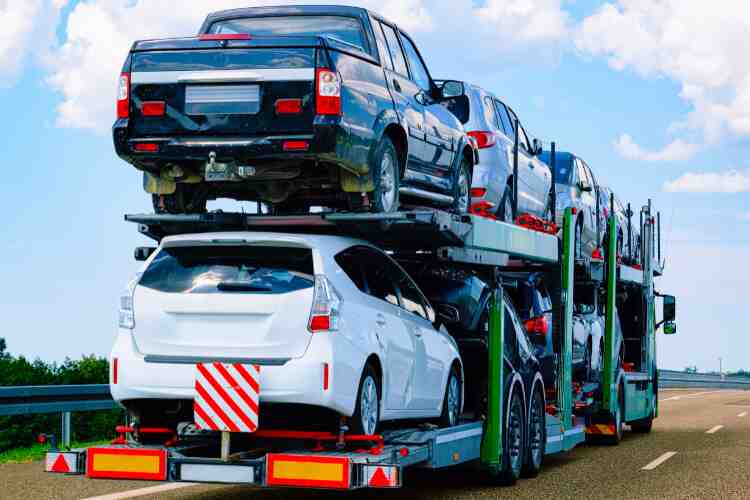
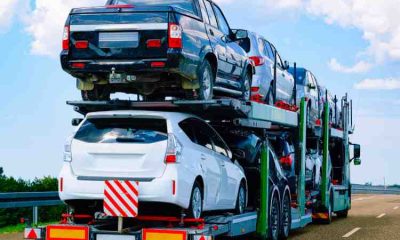
Open multi-vehicle carrier in transit. Source: Justdial
Open vs. Enclosed Transport
| Feature | Open Auto Transport | Enclosed Auto Transport |
| Trailer Style | Double-decker open-air trailer | Fully walled, covered trailer |
| Protection | Exposed to weather & road debris | Complete protection from elements |
| Best Used For | Daily drivers, standard sedans & SUVs | Classics, exotic, luxury & vintage cars |
| Cost | Most economical (Standard rate) | Premium (~30%–50% higher cost) |
| Availability | High (90%+ of carriers on the road) | Selective, specialized carrier fleets |
While open transport is the industry standard for safe, budget-friendly shipping, enclosed transport is well worth the extra investment if you are moving a high-value, rare, or freshly restored vehicle that requires 100% shield from weather and road particulates.
Enclosed trailer offering maximum vehicle protection. Source: Device Logistic
Door-to-Door vs. Terminal-to-Terminal
- Door-to-Door Transport:The driver picks up and delivers your vehicle as close to your specified residential or business address as physically and legally possible. It offers maximum convenience and eliminates extra travel time on your end.
- Terminal-to-Terminal Transport:You drop off and pick up your vehicle at designated regional storage facilities. While occasionally lower in base cost, terminal shipping introduces regional storage fees, security risks at unattended lots, and the inconvenience of arranging secondary transportation to the terminal.
Step 2 – Gather Vehicle Information Before Requesting a Quote
Accurate logistics planning relies entirely on accurate data. Having your vehicle specifications ready ensures the quote you receive is binding and precise:
- Vehicle Year, Make, and Model:Dictates weight, dimensions, and clearance requirements.
- Pickup and Delivery ZIP Codes:Pinpoints exact mileage, toll costs, and route accessibility.
- Operational Condition:Clearly state whether the vehicle is operable (drives, steers, brakes) or inoperable (requires a winch or specialized equipment to load).
- Vehicle Modifications:Disclose lift kits, lowered suspensions, roof racks, wider tires, or custom bumpers.
- Preferred Pickup Window & Delivery Timeframe:Helps dispatchers align your job with active carrier schedules.
- Direct Contact Information:Ensures drivers and logistical dispatchers can keep you updated in real time.
Why Accuracy Matters: Omitting details like a lift kit or a dead battery can lead to carrier loading rejections, delayed schedules, or unexpected equipment surcharges at pickup.
Step 3 – Understand How Auto Shipping Quotes Work
Auto shipping prices fluctuate based on real-world logistical market variables rather than fixed flat fees.
Key Factors Affecting Pricing
- Distance & Route Density:Long distances increase overall price, but popular interstate corridors (e.g., I-95, I-10) offer lower per-mile rates due to carrier volume.
- Vehicle Size & Weight:Larger trucks and heavy SUVs take up more space and consume more fuel, increasing costs compared to compact sedans.
- Transport Type:Enclosed carrier options carry a premium over open multi-car haulers.
- Fuel Prices & Seasonal Demand:Fluctuations in national diesel fuel averages and peak migration seasons directly influence shipping rates.
- Carrier Availability:High supply of auto haulers on a route keeps prices competitive; low availability in rural routes raises rates.
Caution: Avoid choosing a company based solely on the lowest quote. Extremely low quotes are often “bait-and-switch” estimates from unlicensed brokers who post low bids that haulers refuse to accept, leaving your car stranded until you pay more. Always partner with licensed, fully insured providers.
Questions to Ask Before Booking
- Is this quote guaranteed or an estimate subject to change?
- Are fuel surcharges, tolls, and insurance included in this price?
- Do you provide door-to-door delivery service?
- What are your credentials (USDOT and MC licensing numbers)?
Step 4 – Prepare Your Vehicle for Shipping
Properly preparing your vehicle protects your investment and ensures a seamless handoff on pickup day.
Complete Vehicle Inspection
- Wash the Vehicle:A clean exterior allows you and the driver to clearly spot and document existing surface conditions.
- Photograph Every Angle:Take high-resolution, time-stamped photos of all four sides, wheels, glass, and interior.
- Document Existing Conditions:Record pre-existing scratches, paint chips, or dents on your personal checklist.
- Record Mileage:Take a clear photo of the dashboard odometer reading.
Remove Personal Belongings
- Carrier & Legal Restrictions:Federal regulations prohibit auto haulers from acting as general household movers.
- Weight Limits:Excess personal cargo adds weight to the trailer, risking DOT overload fines for the driver.
- Insurance Risks:Standard carrier insurance covers the vehicle itself, not personal items left inside the cabin or trunk.
Perform Basic Maintenance
- Check tire pressure across all tires (including the spare).
- Ensure the battery is fully charged and securely mounted.
- Inspect undercarriage for active fluid leaks (notify the driver if any exist so they don’t load your car above another vehicle).
- Keep your fuel tank at approximately one-quarter (1/4) full—enough for loading/unloading, but light enough to save weight.
Secure Loose Parts
- Remove or deactivate electronic toll passes/tags to avoid automated charges during transit.
- Fold side mirrors inward and retract or unscrew exterior antennas.
- Secure or remove aftermarket spoilers, custom bike racks, or loose trim pieces.
- Disable aftermarket alarm systems or provide written instructions on how to turn off alarms if triggered.
Step 5 – Schedule Pickup and Stay Prepared
Once your transport date is locked in, staying organized keeps the handoff smooth:
- Re-Confirm Pickup Details:Verify times, meeting spots, and contact numbers 24–48 hours prior to the date.
- Keep Your Phone Available:Drivers will call 2 to 4 hours in advance to provide precise arrival updates based on traffic.
- Prepare Identification & Documentation:Have your driver’s license, vehicle registration, and vehicle keys ready.
- Understand Pickup Windows:Because highway haulers manage traffic and weather, pickup times are given in flexible windows rather than rigid exact minutes.
What to Expect During Vehicle Pickup
- Driver Arrival:The professional carrier arrives at your door or agreed-upon accessible meeting spot.
- Identity & Credentials Verification:Confirm driver details match your booking confirmation.
- Physical Inspection Walkaround:You and the driver conduct a joint walkaround to inspect the vehicle’s exterior condition.
- Bill of Lading (BOL) Execution:Pre-existing marks, mileage, and vehicle condition are documented on the official Bill of Lading.
- Documentation Receipt:You receive a physical or digital copy of the signed BOL (your primary receipt and contract for transit).
- Timeline Confirmation:The driver provides an updated estimated delivery window and direct cell contact info for transit updates.
How Your Vehicle Is Transported Safely
Professional auto shipping relies on strict safety protocols and federal oversight:
[Vehicle Inspection & BOL] ➔ [Specialized Loading & Wheel Strapping] ➔ [DOT-Compliant Interstate Transit] ➔ [Safe Delivery & Sign-off]
-
Professional Loading & Securing:Vehicles are loaded onto ramps and secured directly by their tires using soft tie-down straps, ensuring the suspension works naturally without structural strain. - Strategic Route Planning:Dispatchers select optimized interstate highways to avoid low bridges, severe weather, and excessive road hazards.
- DOT & FMCSA Compliance:Carriers operate under strict Federal Motor Carrier Safety Administration rules, limiting driving hours to prevent driver fatigue.
- Full Insurance Protection:Commercial auto carriers carry mandatory liability and cargo insurance policies protecting your vehicle while on board.
What Happens at Vehicle Delivery
When your vehicle reaches its destination, final delivery follows a straightforward protocol:
- Delivery Coordination:The driver contacts you in advance to coordinate delivery time and confirm street accessibility.
- Final Physical Walkaround:Conduct a thorough visual inspection alongside the driver before signing off.
- Compare Against Pickup Photos:Match the current vehicle condition against the photos and BOL documented at pickup.
- Verify Odometer Reading:Confirm mileage accounts only for loading, unloading, and short positioning.
- Sign Delivery Paperwork:Sign off on the BOL to finalize receipt of your vehicle.
- Report Any Discrepancies Immediately:In the rare event of damage, note it explicitly on the Bill of Lading before the driver departs, take clear photos, and notify your transport coordinator right away to initiate a claim.
Common Auto Shipping Mistakes to Avoid
- Booking at the Last Minute:Limits carrier choices and forces higher rush rates.
- Falling for the Lowest Bid:Low-ball quotes often conceal hidden fees or unverified carriers.
- Skipping Pre-Shipment Inspection:Failing to document pre-existing condition makes damage claims nearly impossible to prove.
- Leaving Personal Valuables Inside:Increases theft risk and violates carrier insurance rules.
- Ignoring Insurance Verification:Shipping without confirming carrier cargo insurance policy limits.
- Providing Incorrect Vehicle Specs:Forgetting to mention non-running status or aftermarket modifications causes pickup delays.
- Failing to Read Terms and Conditions:Missing cancellation terms or deposit policies.
Common Myths About Auto Shipping
- Myth 1: Driving is always cheaper than shipping.
- Fact:When you calculate long-distance fuel, lodging, food, highway tolls, vehicle wear-and-tear, and lost work time, shipping is often comparable or more cost-effective.
- Myth 2: Every auto transport company offers the same service.
- Fact:Vetted, established carriers offer superior safety standards, direct communication, and reliable insurance compared to cut-rate brokers.
- Myth 3: Vehicle insurance isn’t necessary during transit.
- Fact:Proper carrier cargo coverage is essential to protect your auto asset against unforeseen highway accidents.
- Myth 4: Vehicles frequently get damaged during transport.
- Fact:The damage rate in professional auto transport is under 1%—far safer than driving cross-country yourself.
- Myth 5: Pickup dates are always exact to the minute.
- Fact:Highway traffic, weather, and DOT compliance require realistic pickup windows rather than rigid single-minute appointments.
- Myth 6: Auto shipping is only for luxury cars.
- Fact:Millions of everyday sedans, work trucks, and family SUVs are shipped safely nationwide every year.
Why Customers Choose Professional Auto Transport
- Saves Significant Time:Avoid days spent behind the wheel during a busy move.
- Protects Vehicle Value:Zero added road miles, preventing tire wear, engine strain, and chip damage.
- Enhanced Safety:Eliminates long-distance driver fatigue and night-driving hazards on unfamiliar highways.
- Eliminates Travel Expenses:No multi-night hotel bills, fuel fill-ups, or restaurant meals along the road.
- Seamless Relocations:Simplifies complex corporate transfers, military moves, and seasonal snowbird trips.
Why Choose Preowned Auto Logistics
At Preowned Auto Logistics (PAL), we strip the confusion out of car shipping by providing dependable, transparent, and customer-first solutions:
- Nationwide Hauling Network:Trusted, fully vetted carrier partners spanning every major US interstate corridor.
- Licensed & Insured Coverage:Complete regulatory compliance and active cargo insurance verification on every haul.
- Upfront, Honest Pricing:Clear, transparent quotes with zero hidden fees or unexpected line items.
- Door-to-Door Convenience:Direct pickup and delivery tailored around your schedule and location.
- Dedicated Logistics Specialists:Real humans providing step-by-step guidance and continuous communication throughout transit.
Frequently Asked Questions
How far in advance should I schedule vehicle shipping?
It is best to schedule your vehicle shipping 2 to 3 weeks in advance. During peak shipping seasons (such as summer relocations and winter snowbird migrations), booking 3 to 4 weeks early ensures optimal carrier selection and better pricing.
How long does cross-country auto transport usually take?
Coast-to-coast shipping typically takes 7 to 10 days in transit. Medium-distance routes (1,000–1,500 miles) average 3 to 5 days, while short regional routes take 1 to 3 days.
Can I leave personal belongings inside my vehicle?
Carriers generally allow up to 100 lbs of personal items tucked securely in the trunk or below the window line. However, these items are not covered by carrier cargo insurance, and excess weight may trigger carrier surcharges.
Is my vehicle insured during transport?
Yes. Professional auto haulers are legally required to carry commercial cargo and liability insurance. PAL verifies that every assigned carrier maintains active, adequate policy limits for your protection.
What if my pickup or delivery date changes?
Logistics Coordinators adjust schedules as needed. Simply notify your transport specialist as early as possible so route dispatchers can update carrier windows seamlessly.
Should I choose open or enclosed transport?
Open transport is recommended for standard daily drivers due to its value and availability. Enclosed transport is recommended for luxury, exotic, classic, or custom cars requiring complete weather protection.
What documents do I need before shipping my car?
You need a valid photo ID (driver’s license), vehicle registration, and your signed copy of the Bill of Lading provided at pickup.
What should I do if my vehicle arrives with damage?
Note any issues clearly on the Bill of Lading before signing delivery documents, take immediate photos, and notify your transport coordinator to assist in filing a formal insurance claim.
Conclusion
Shipping your car doesn’t need to be overwhelming. By planning ahead, gathering accurate vehicle details, preparing your vehicle properly, and choosing a proven transport provider, you can sit back and enjoy a smooth, hassle-free move.
At Preowned Auto Logistics, we make vehicle transport simple, safe, and transparent every step of the way. Contact Preowned Auto Logistics today to get your free, custom auto transport quote or speak directly with one of our shipping specialists!
Read More: jacqulyn elizabeth hanley
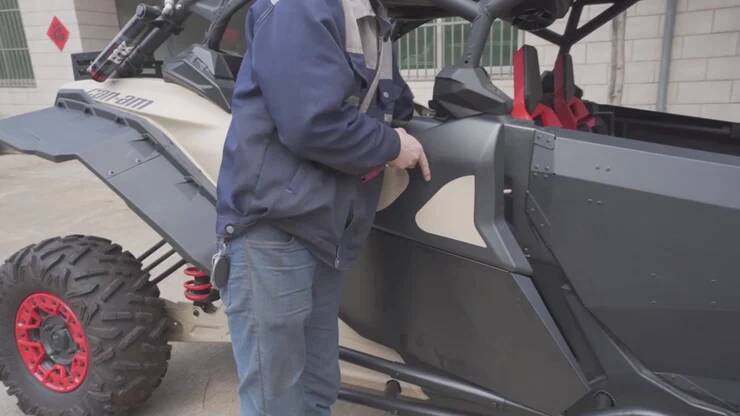
If you own a Can-Am Maverick X3, you know it’s built for adventure. Whether you’re flying through the desert, climbing rocky trails, or powering through muddy backroads, this machine is made to handle it all. But here’s the thing—without proper protection, your ride can get uncomfortable fast.
That’s where Can-Am X3 doors and Can-Am X3 windows come into play. They might not be the first upgrades that come to mind, but once you install them, you’ll wonder how you ever rode without them. From keeping the dust out of your face to adding an extra layer of safety, these additions completely change the riding experience.
Why Can-Am X3 Doors Matter More Than You Think
1. Say Goodbye to Flying Rocks and Mud in Your Lap
Let’s be honest—off-roading is messy. One minute, you’re tearing through a dry trail, and the next, a rogue rock smacks you in the leg, or worse, mud flies straight into your lap. Without proper Can-Am X3 doors, your lower half is constantly exposed to whatever the trail decides to throw at you.
Upgrading to full doors means:
- No more random bruises from flying debris
- Mud stays where it belongs—outside the vehicle
- You and your passengers stay cleaner, no matter the terrain
It’s a small change that makes a huge difference, especially if you ride in unpredictable conditions.
2. Extra Protection for You and Your Passengers
If you’ve ever taken a sharp turn or hit an unexpected dip, you know how easy it is for your body to shift in the seat. While seat belts do their job, having Can-Am X3 doors gives you an extra level of security, preventing limbs from accidentally extending beyond the cabin.
Plus, in case of a tip-over or unexpected impact, having strong, durable doors can help minimize injuries by keeping riders contained inside the vehicle. It’s one of those things you hope you’ll never need—but when you do, you’ll be glad it’s there.
3. Better Insulation from Wind and Cold
Riding in colder weather or at high speeds can be brutal when the wind is hitting you full force. Can-Am X3 doors help cut down on wind chill, making rides more comfortable, especially during long trips. Pair them with Can-Am X3 windows, and you’ve got a fully enclosed cabin that helps keep the elements out and the warmth in.
Can-Am X3 Windows: A Simple Upgrade That Changes Everything
Now, let’s talk about Can-Am X3 windows. If you’ve ever finished a ride and felt like you inhaled half the dust from the trail, you’re not alone. Open-air UTVs are fun, but they leave you exposed to dirt, sand, wind, and even unexpected rain. Adding windows can make your rides more comfortable in more ways than one.
1. Keep the Dust Out, Breathe Easier
When you’re riding in a group, dust is inevitable. The lead vehicle kicks up a cloud, and if you’re behind them, you’re breathing it in the entire time. Can-Am X3 windows help block that dust, making the ride smoother and easier on your lungs.
This is especially important if you ride in dry, sandy areas where fine dust can quickly turn a fun trip into an uncomfortable, gritty experience.
2. Protection from Rain and Unexpected Weather
Ever been caught in a sudden downpour with nothing but a helmet for protection? Not fun. Adding Can-Am X3 windows helps shield you from rain, keeping you dry and warm even when the weather turns against you.
For riders who enjoy all-season adventures, windows are a game-changer. No more cutting trips short because of bad weather—just keep riding and stay comfortable.
3. Less Noise, Less Fatigue
If you do long rides, you know how exhausting constant wind noise can be. It’s not just annoying—it can actually make you feel more tired by the end of the day. By adding Can-Am X3 windows, you reduce wind turbulence inside the cabin, making the ride quieter and more enjoyable.
This means you can:
- Hear your music better if you have a sound system installed
- Have actual conversations with your passengers instead of shouting over the wind
- Arrive at your destination feeling less exhausted from noise and wind fatigue
How These Upgrades Improve Your Overall Riding Experience

1. A Cleaner, More Enjoyable Ride
No more dust in your mouth, no more mud in your lap, no more surprise bruises from flying debris. Can-Am X3 doors and windows make your ride significantly more comfortable and enjoyable.
2. Safer Adventures for You and Your Crew
Whether you’re riding solo or with passengers, having full doors and windows adds an extra level of protection that can make all the difference.
3. More Versatility in Any Weather
With the right setup, you can ride year-round without worrying about extreme cold, unexpected rain, or brutal wind.
4. A More Professional, Polished Look
Let’s not ignore the fact that adding doors and windows makes your UTV look a whole lot more put together. It gives your ride a sleek, finished appearance while also making it more functional.
Final Thoughts: Are Can-Am X3 Doors and Windows Worth It?
If you’re serious about off-roading, upgrading to Can-Am X3 doors and windows from Kemimoto is a no-brainer. They keep you safer, more comfortable, and better protected from the elements, all while making your UTV look even better.
These upgrades are about more than just aesthetics—they genuinely enhance your entire riding experience. From blocking dust and wind to providing added security, they turn your Maverick X3 into a fully equipped adventure machine.
So next time you head out for a ride, think about what could make it even better. Chances are, a solid set of doors and windows will be the upgrade you didn’t know you needed.

When it comes to purchasing a powersports vehicle—whether it’s an ATV, motorcycle, snowmobile, or jet ski—many owners overlook the importance of a powersports extended warranty. While these vehicles are built to endure rugged terrain and challenging conditions, they also face wear and tear over time. A powersports extended warranty can provide an extra layer of protection, ensuring that you’re covered for unexpected repair costs long after the manufacturer’s warranty has expired.
The peace of mind that comes with knowing repairs and parts replacements are covered can be invaluable. Whether you’re using your vehicle for recreational rides, off-roading adventures, or competitive sports, mechanical issues can arise at any time. An extended warranty can alleviate the financial burden of expensive repairs, covering everything from engine components to electrical systems, depending on the terms of the warranty. This type of coverage is especially beneficial for high-performance powersports vehicles that might experience more wear due to frequent use or extreme riding conditions.
Financial Protection Against Unexpected Costs
Powersports vehicles are often subjected to high-intensity usage, which can lead to wear and tear on critical components. Without a warranty, the cost of repairing or replacing these parts can quickly add up, especially if the repairs are not covered under the manufacturer’s standard warranty. An extended warranty typically covers a range of parts, and depending on the plan, it could include coverage for breakdowns, electrical failures, and other issues that might not be expected when you first purchase the vehicle. In the long run, this can save you hundreds or even thousands of dollars on repairs.
Increased Resale Value
Another benefit of having an extended warranty on your powersports vehicle is that it can increase its resale value. Potential buyers may find comfort in knowing the vehicle is still covered under an extended warranty, giving them confidence that they won’t inherit unexpected repair costs soon after purchasing. This can make your vehicle more attractive to buyers when you decide to upgrade or sell.
Enhanced Peace of Mind
For those who frequently take their vehicles into remote or challenging locations, knowing that an extended warranty is in place offers peace of mind. If something goes wrong during a trip, you can rest assured that you’ll have support for repair services or replacement parts without the stress of finding immediate funds. This is especially helpful for those who live in areas where finding a specialized repair shop can be difficult.
In conclusion, a powersports extended warranty is a smart investment for anyone who wants to protect their ride from the high costs of repairs and keep it running smoothly over time. Whether you’re a casual rider or an avid enthusiast, having this added protection can help you enjoy your powersports vehicle to the fullest, without worrying about unexpected breakdowns and expensive fixes.


Revitalize Your Energy from the Couch: The Complete Guide to NAD+ IV Drips at Home
This comprehensive guide explores how receiving an IV drip at home can help restore vital energy and optimize long-term health....

How to Shop Leister ST Tools for Plastic Fabrication
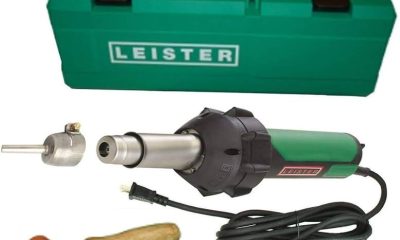
Professionals who shop Leister ST tools are looking for dependable hot-air equipment for plastic fabrication, repair and maintenance tasks. Leister’s...

Simplifying Your Auto Transport Process: A Complete Auto Shipping Guide for Stress-Free Vehicle Transport
Introduction Shipping a vehicle for the first time can feel like navigating a maze of logistics, terminology, and unfamiliar choices....


Mobile Gambling vs the Full Desktop Casino Experience
Online casino games are no longer tied to one kind of screen. Some players prefer opening a full casino site...


The 10 Best AI Image to Video Generators of 2026
Transforming static visual assets into high quality video motion is no longer a complex task reserved for specialized visual effects...


The Art of Modern Food Storage: Mastering Kitchen Organization and Ingredient Freshness
Maintaining an organized and efficient kitchen is one of the most rewarding home habits a person can build. Food storage...


Why Low-Profile Folding Chairs Are the Ultimate Road Trip Hack
Imagine driving for three hours along a winding coastal highway. The sun is starting to dip, and you spot a...


Design Meets Innovation: The Hottest Trends in Custom Trade Show Exhibits for 2026
As businesses look to reach prospects in new, interesting, and memorable ways, trade shows are evolving too. Exhibit spaces are...


Wardrobe Hangover: Why You Keep Buying Clothes You Don’t Wear
The Quiet Shame Hanging in Your Closet Open your wardrobe right now. Look at it honestly. How many pieces in...


The Outfit That Speaks for Itself: Zach Bryan Merch, Parke, and Rolex Replica Every Day
Getting Dressed Should Feel Like a Decision, Not a Default Every morning, you choose what to wear, even when it...






Assessing the Chances of South Africa at the World Cup

Designs that Support Longevity in Online Gambling Platforms

Custom Tent Buying Guide: Key Features to Look for in a Durable Branded Display

Why Stability Matters: Navigating the Choice to Move Fostering Agencies

Understanding Stairlifts in the Home

Do Infants Sleep More When Teething? Understanding Sleep Patterns During Teething
-
 Biography7 years ago
Jacqulyn Elizabeth Hanley is the Mother of Liza Soberano?
-
Biography7 years ago
Amanda Levy Mckeehan Biography, Family, Net Worth, Age, Affairs, Facts
-
Home6 years ago
Epson L3110 Driver Free Download Latest Updated Version
-
Games5 years ago
Best Free To Play MMORPG To Try This 2021
-
Biography7 years ago
Who is Rose Dorothy Dauriac? Scarlett Johansson Daughter?
-
Home8 years ago
Liza Soberano Biography, Age, Family and Boyfriends
-
Biography7 years ago
Jessica Ditzel Secret Information that Nobody Knows | Joe Rogan’s Wife
-
Biography7 years ago
What is the relation of Nathaniel Larry Osorno with Liza Soberano?